Celebrating 50 Years of Monolithic Domes: A Retrospective in Pictures

Fifty years have gone by since the South brothers invented the Monolithic Dome. Celebrate this milestone with us by scrolling through some of our favorite dome moments curated in this slideshow retrospective!
The first Monolithic Dome began as an inflated fabric form in Shelley, Idaho, on April 5, 1976—fifty years ago! Its inventors, David B. South and his brothers, Barry and Randy, quickly refined the construction process, patented it, founded Monolithic, and created a new international industry.
To celebrate this golden anniversary, we compiled this slideshow. It tells the story of where it all began, how the technology evolved, and the projects that helped define the industry.
This retrospective is a highlight reel, a rough timeline, and a Thank You from Monolithic to all the dome builders, owners and enthusiasts who have helped make the last 50 years so fantastic.
The Monolithic Dome is cutting-edge technology, but it is not new—it’s proven. What started as a better way to construct bulk storage facilities has grown into a worldwide building system used for homes, schools, sports facilities, storm shelters and critical infrastructure.
Today, thousands of Monolithic Domes have proven their strength in real-world conditions—through storms, fires, and decades of daily use. Each is a testament to the strength, energy efficiency, flexibility and beauty of the Monolithic Dome building method.
Table of Contents
1976-1985
In April 1976, the South brothers build the first Monolithic Dome for potato storage, capable of holding five million pounds. That same month, David B. South meets Dr. Arnold Wilson at Brigham Young University, beginning a lifelong friendship and collaboration. Dr. Wilson goes on to engineer hundreds of domes and writes the book Practical Design of Concrete Shells The bulk storage industry quickly recognizes the value of Monolithic Domes, and adoption follows. But David remains focused on their broader potential—reducing material waste, cutting energy use by about 50 percent, and providing protection from tornadoes, earthquakes, wildfires, hurricanes and other natural disasters. He and his brothers, along with their mother, begin sharing that vision with anyone willing to listen.During the first decade, many of the key figures behind the Monolithic Dome come together. Dr. Arnold Wilson is already consulting and engineering domes when, in 1982, David and Barry hire Gary Clark for his expertise with a foam gun and Gary quickly joins Randy South in the field. Gary and Randy begin a legacy of working hard while having fun, traveling the world together, building domes. Larry Byrne (1942-2024) begins work in 1983 as Monolithic’s in-house designer. He goes on to design an innumerable number of domes until retiring in 2015.Monolithic Constructors, Inc. is officially established and builds many storage domes, a couple of office buildings, a municipal complex, a handful of homes, and a few churches.
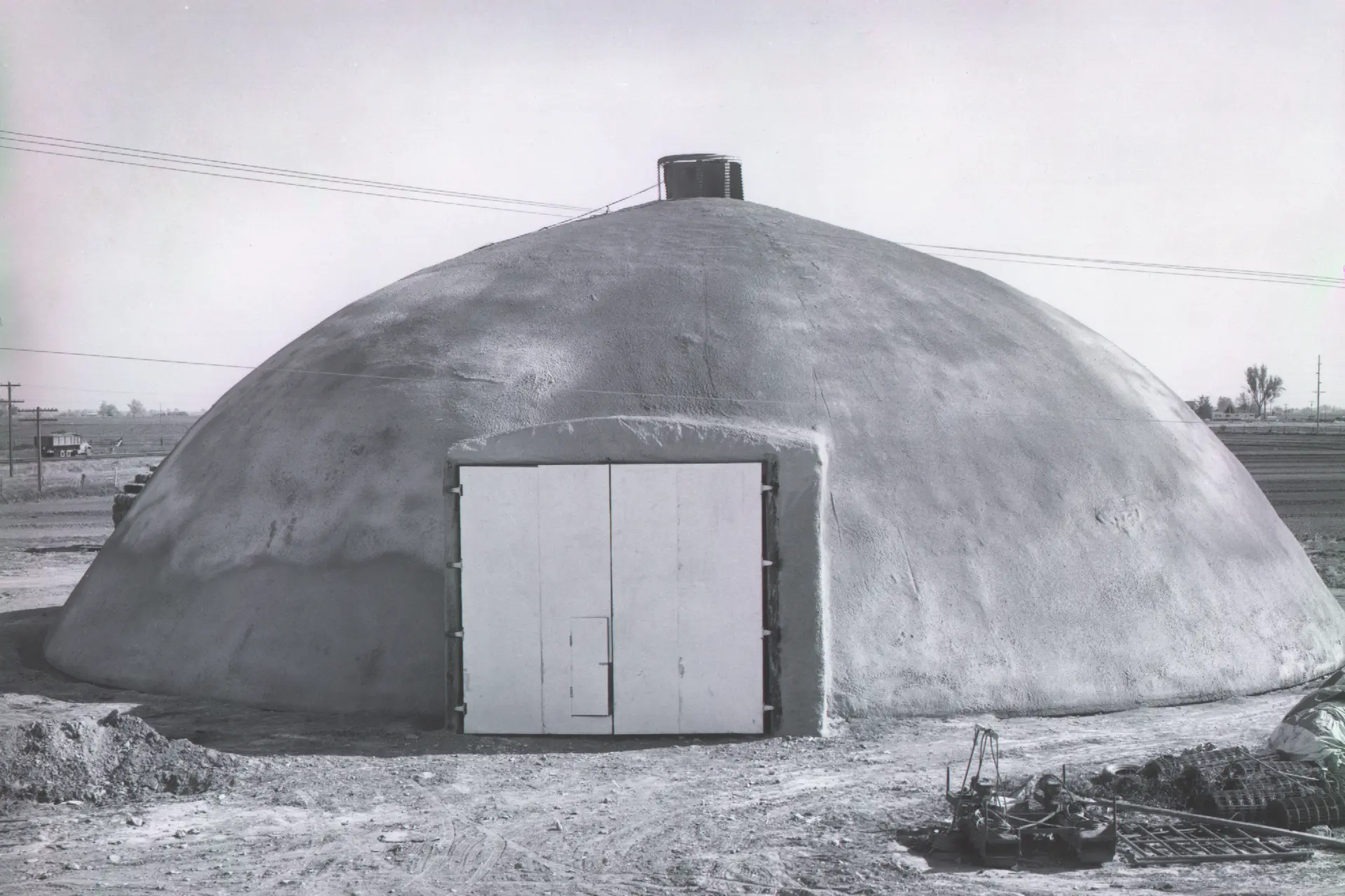
1976: On April 5, 1976, the inventors of the Monolithic Dome, David B. South and his brothers, Barry and Randy, turn on the fans to inflate the very first Monolithic Dome, a potato storage 105 feet in diameter and 35 feet tall, in Shelley, Idaho.
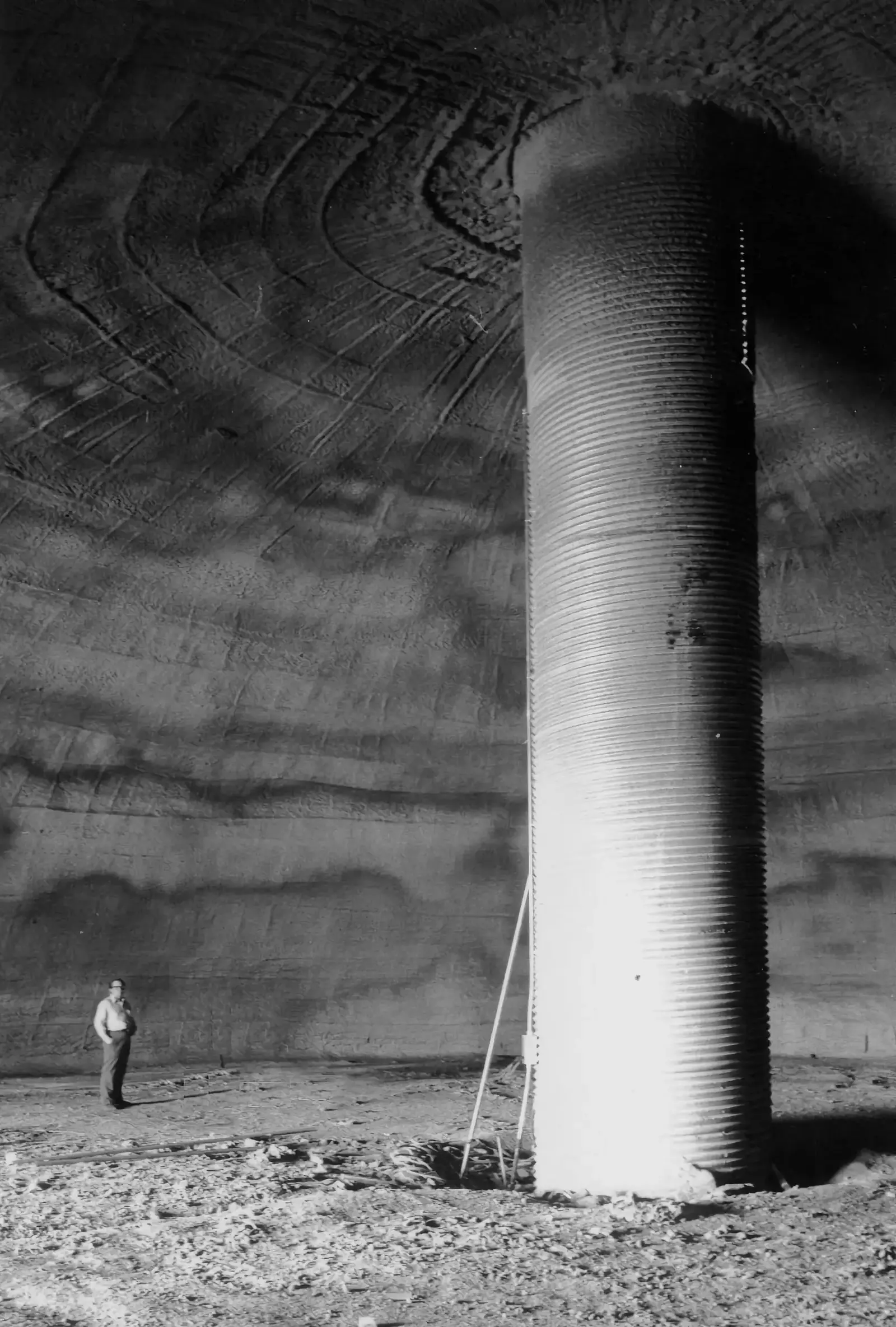
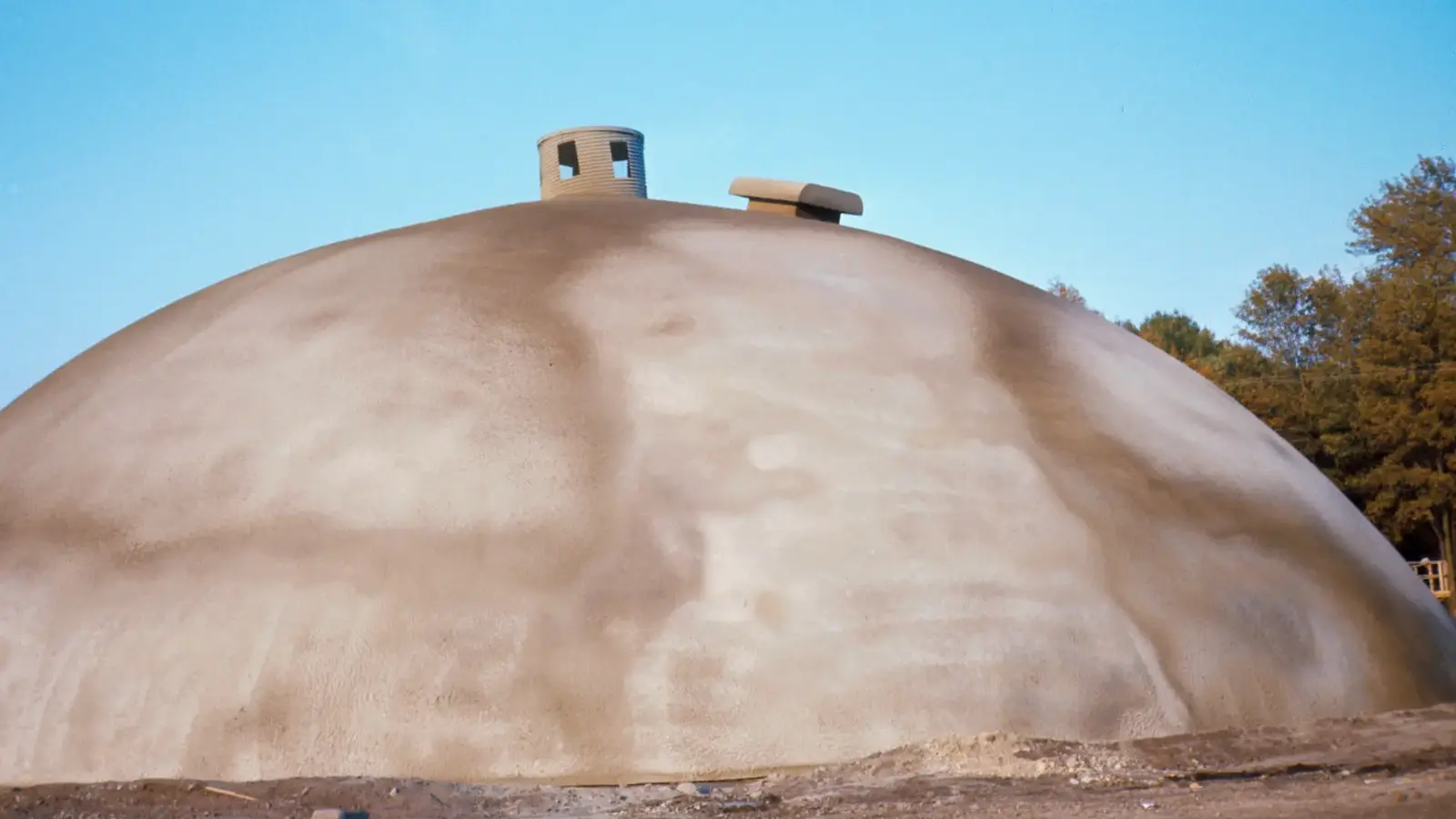
[Left] 1976: David B. South stands inside the first Monolithic Dome. Mike South, President of Monolithic, said of this photo, “I love this picture. I think Dad knew immediately he had found his passion.” [Right] 1976: Later that year, the construction of the second Monolithic Dome—for Bud DuRussell of Manchester, Michigan—takes the crew just 17 days to complete.
Barry South / Monolithic Commons / CC BY 4.0
David B. South / Monolithic Commons / CC BY 4.0
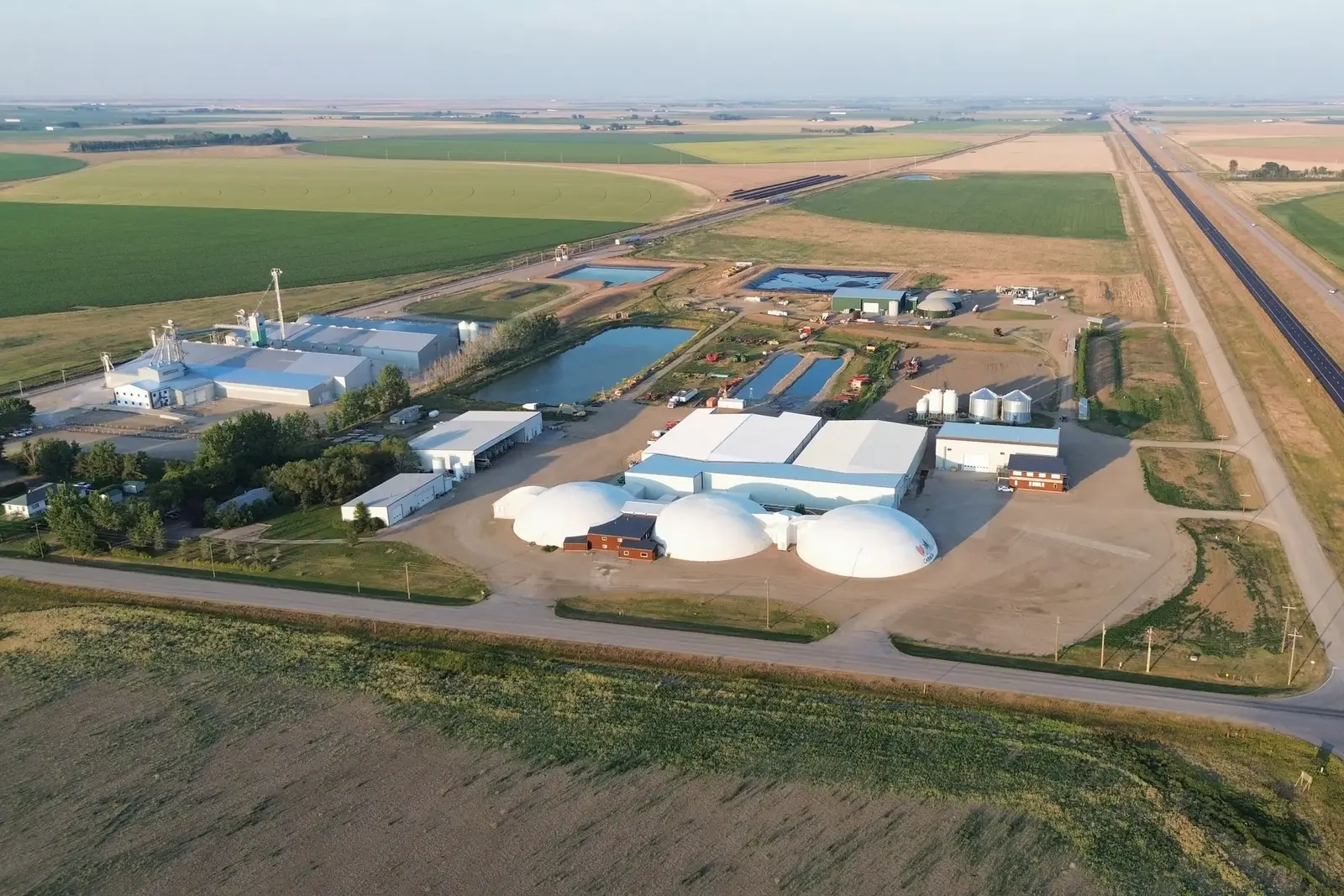
1977: Coaldale, Alberta, Canada. The South brothers build three 130-foot-diameter by 40-foot-tall potato storage structures.
Doing business as Souths, Inc., David B., Barry and Randy South were now building Monolithic Domes full-time.
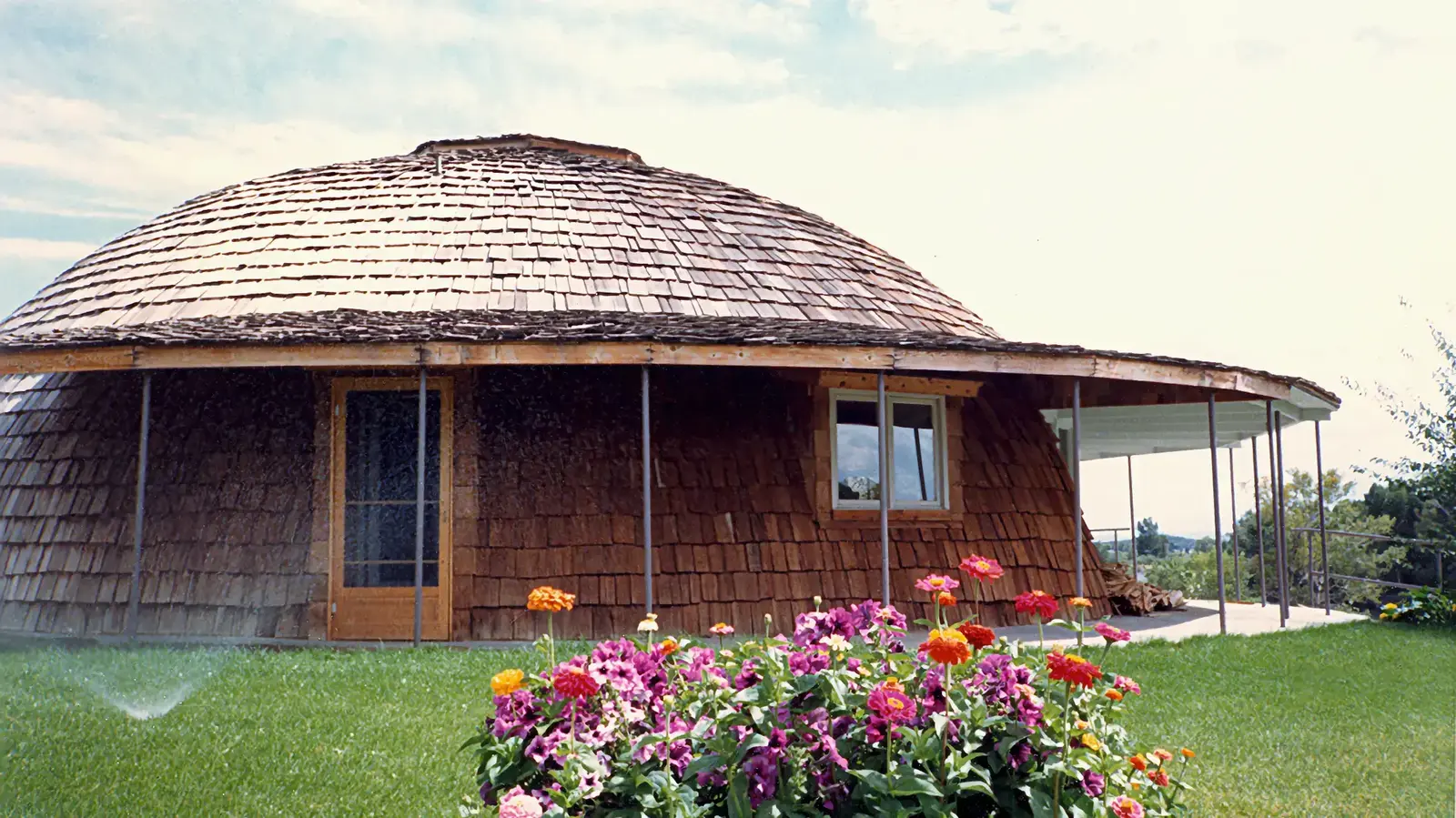
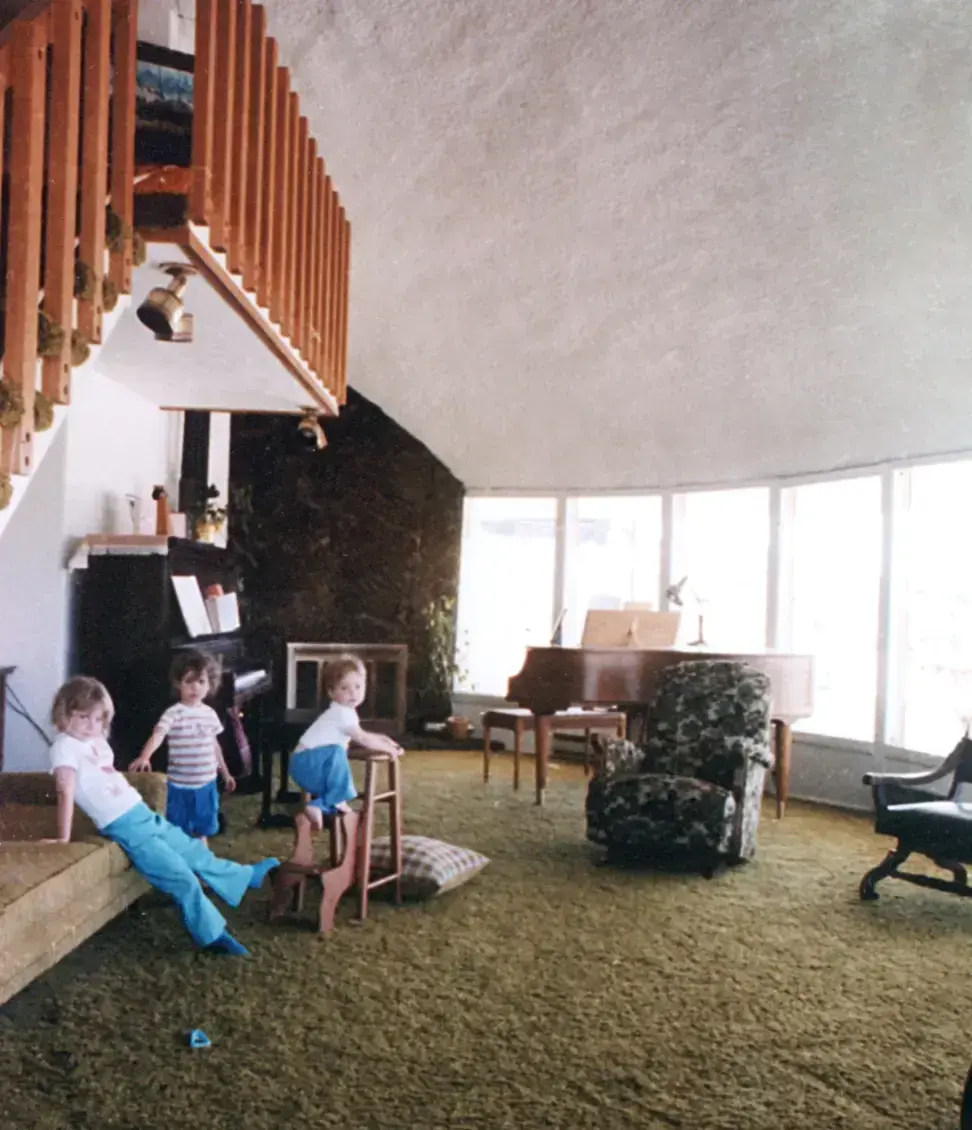
[Left] 1977: The South brothers build the first-ever Monolithic Dome home for their mother, Marjorie. Known to everyone as “Marj,” she loved her dome house with its many windows overlooking the Upper Snake River Valley. [Right] 1977: The living room of Marjorie South’s Monolithic Dome Home.
Not only was Marj the mother of David B., Barry and Randy South, the inventors of the Monolithic Dome, she was also their first salesperson.
Myrna South North / Monolithic Commons / CC BY 4.0
M'Jean South Lund / Monolithic Commons / CC BY 4.0
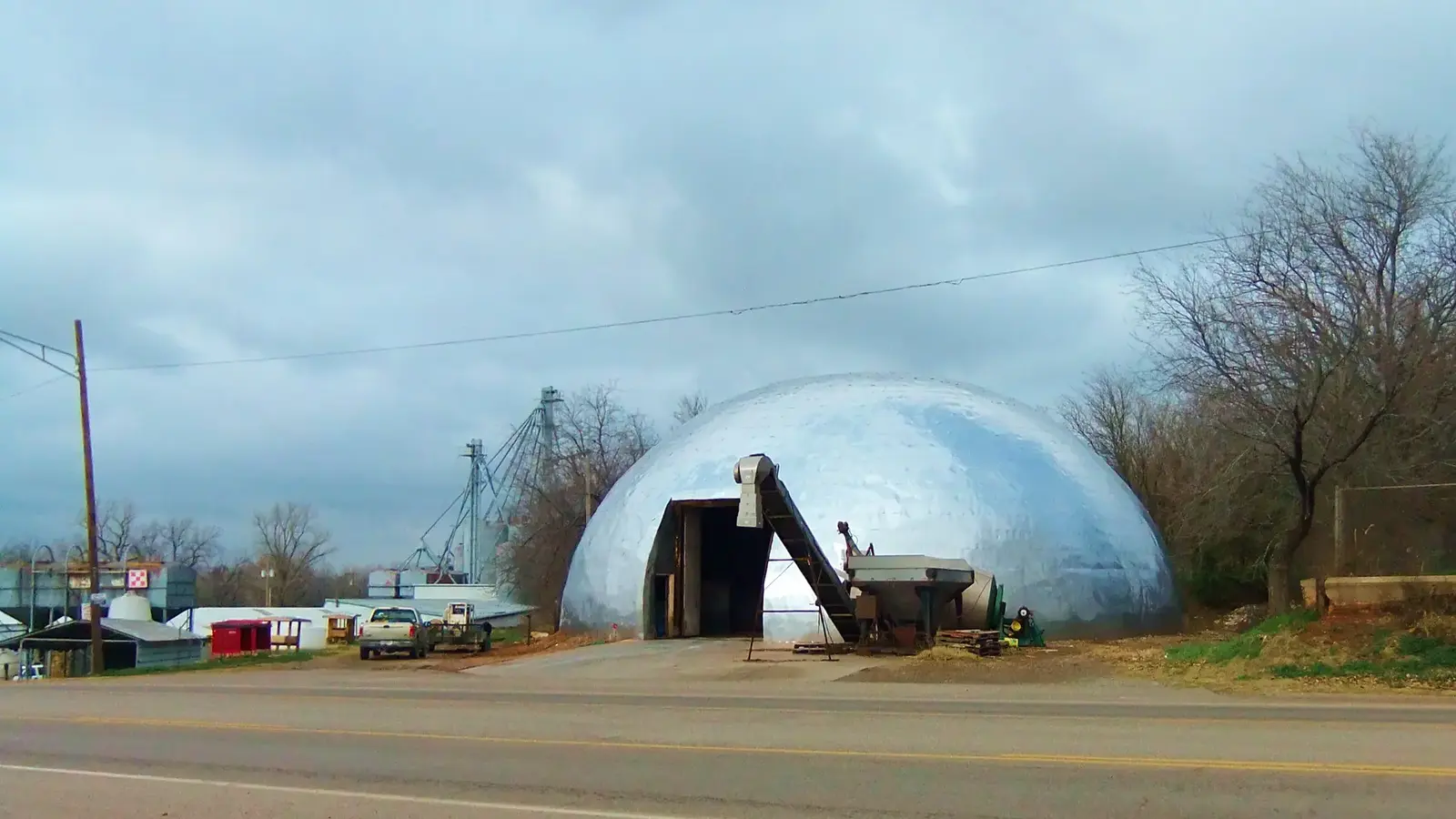
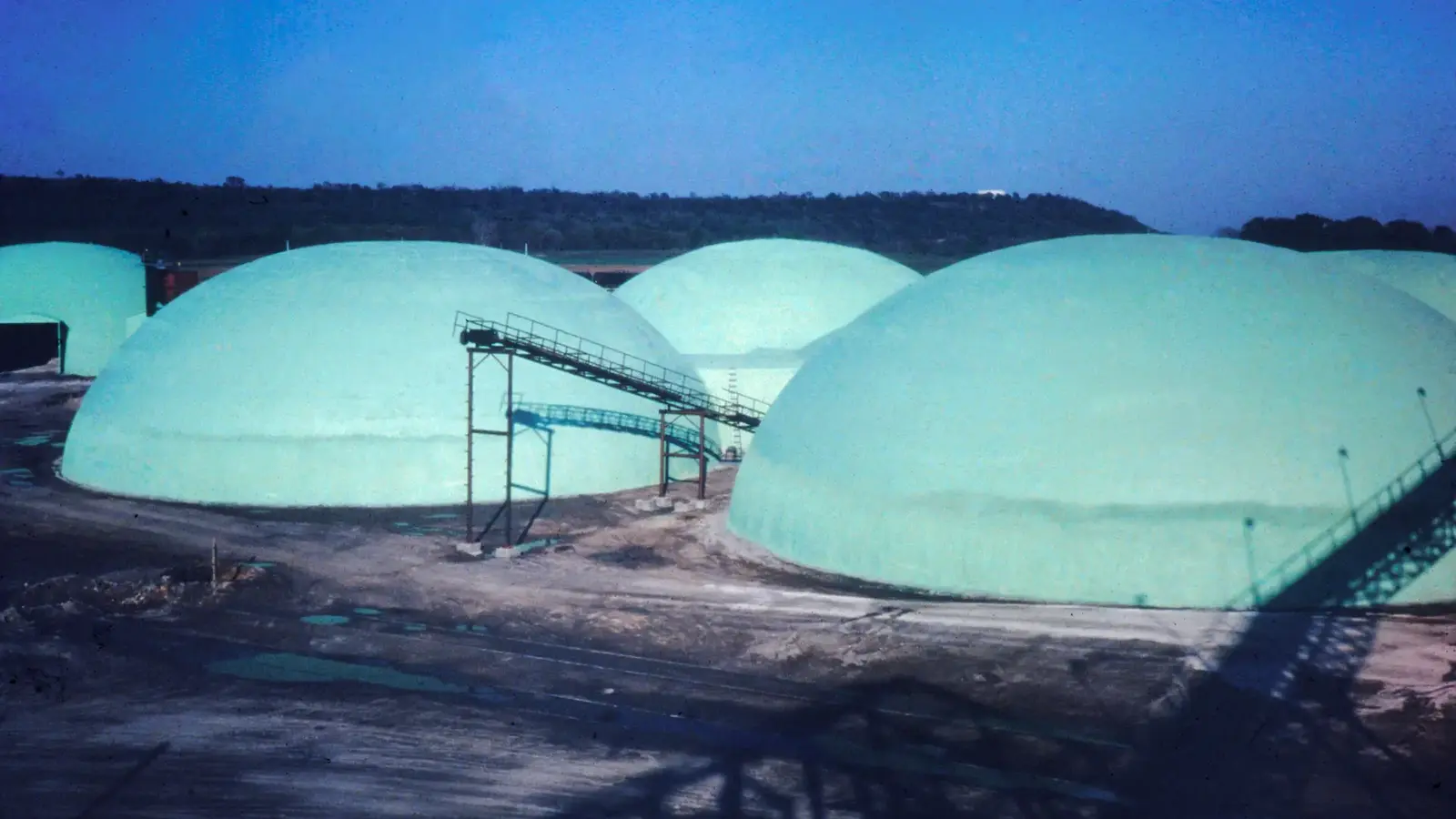
[Left] 1978: A 75-foot-diameter fertilizer blend plant is constructed in Chandler, Oklahoma. [Right] 1979: The Souths complete the construction of six 105-foot-diameter and one 60-foot-diameter fertilizer storage domes. Monolithic recently completed a renovation of these 46-year-old Monolithic Domes. Mike South, now President of Monolithic, was two weeks old when his parents headed out to work on the project.
Mike South / Monolithic Commons / CC BY 4.0
David B. South / Monolithic Commons / CC BY 4.0
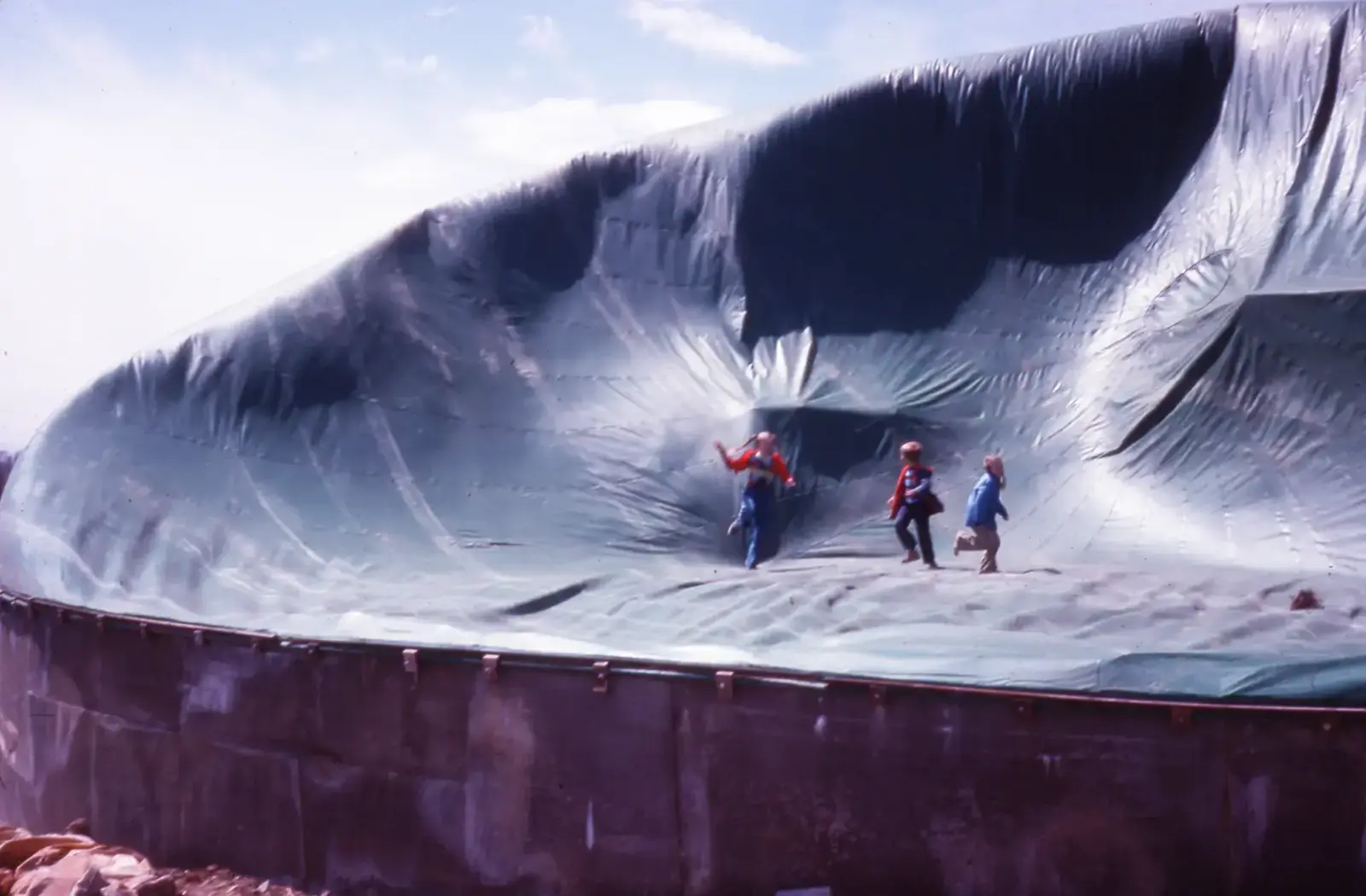
1979: Cliffdome, the 75-foot-diameter Monolithic Dome home of Judy and David B. South’s family is inflated. Judy South serves as the project’s construction manager. The house includes an indoor garden, a regulation-size volleyball court, eight bedrooms, three full baths and one powder room. Editor’s Note: Do not let children play on an Airform while it is inflating. Remember, this was the 70s.
Also, by 1979, the patent for the Monolithic Dome had been awarded to the South brothers.
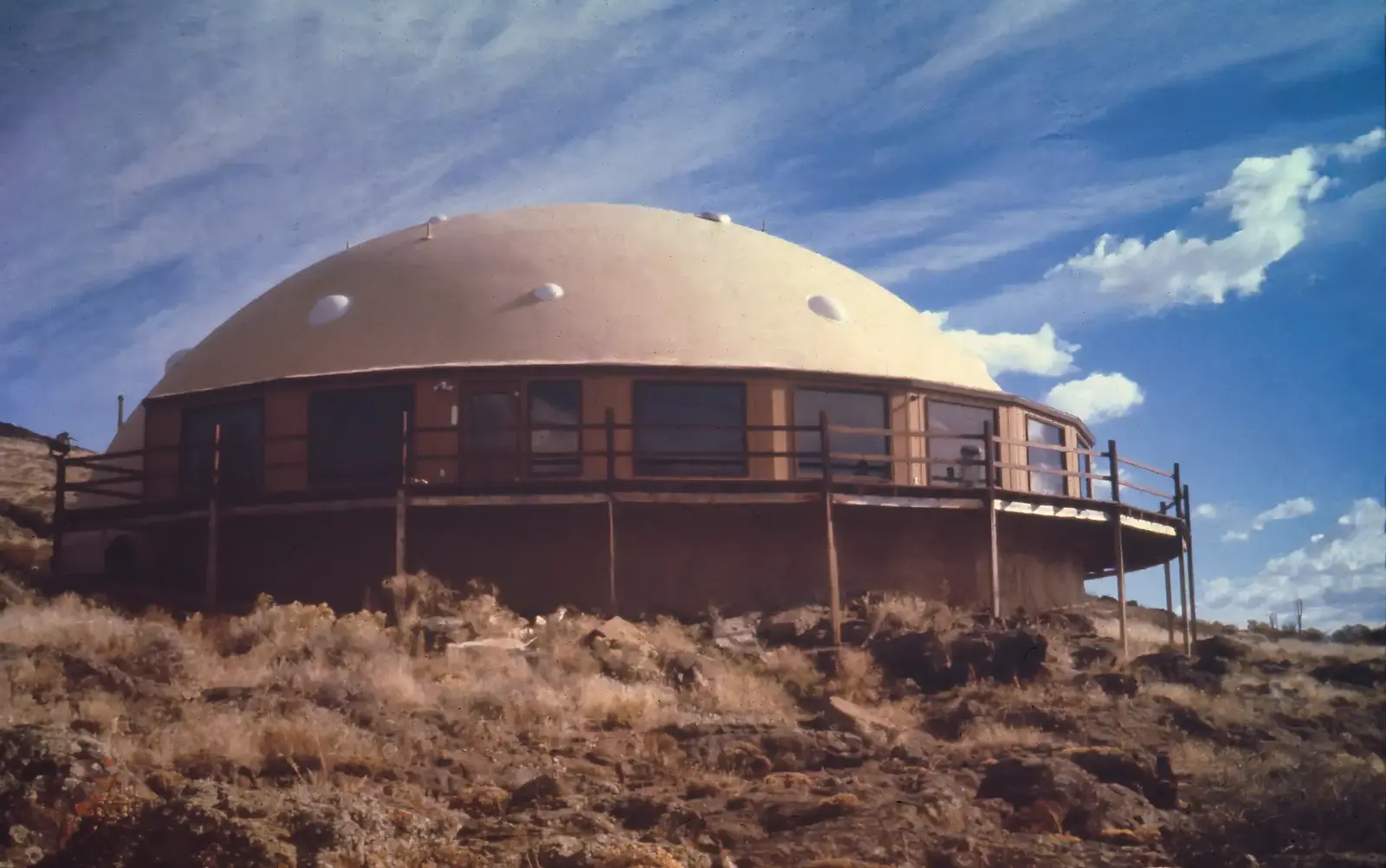
1979: Cliffdome is completed. David B. South, founder of Monolithic, was a devoted father, but his motivation for building the massive 8,000-square-foot house was to use it as a sales tool.
He set out to prove Monolithic Domes could go beyond bulk storage—serving as offices, schools, hotels, concert halls, theme parks, and more. In the ten years they lived there, his family gave tours to over 1,000 visitors from around the world.
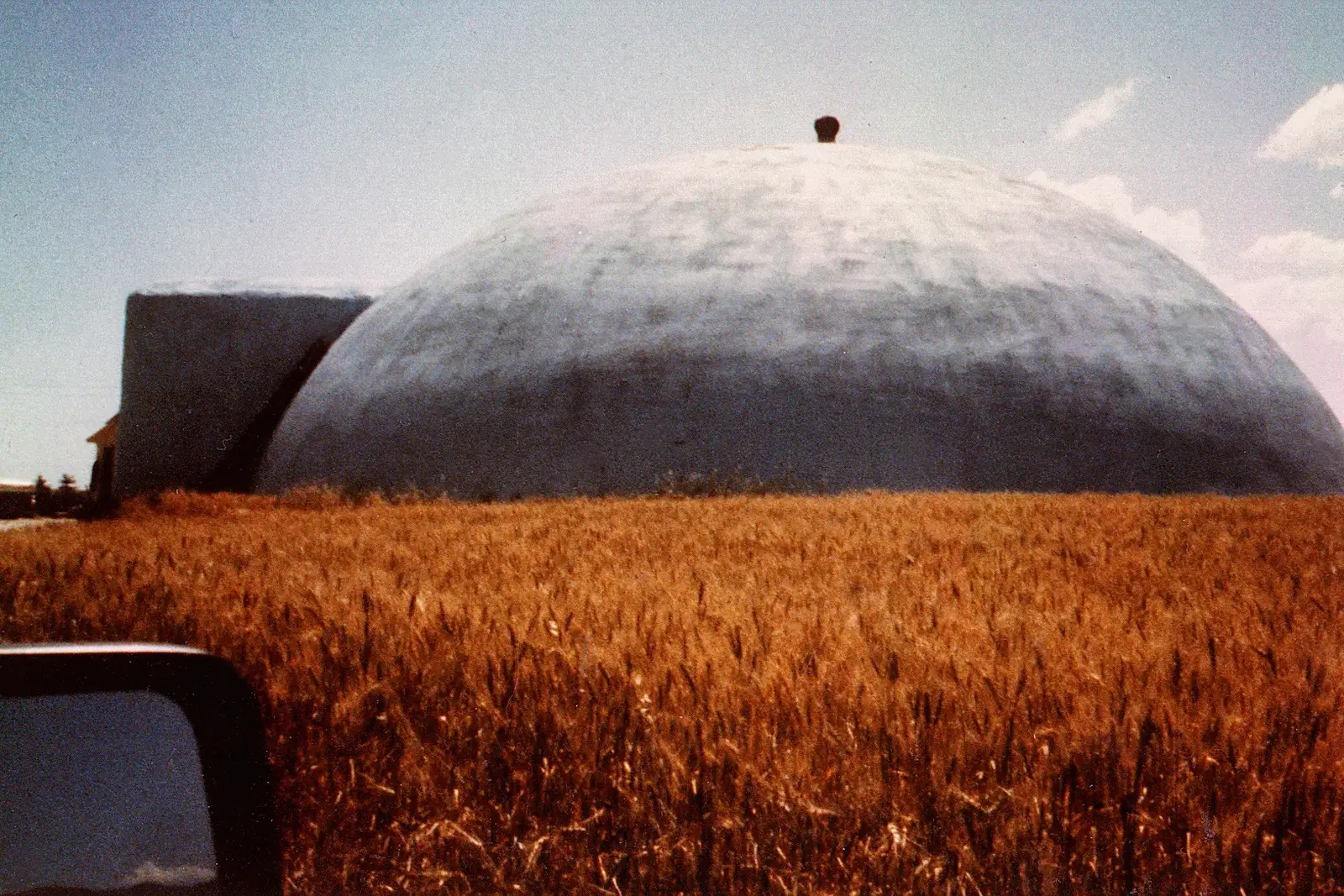
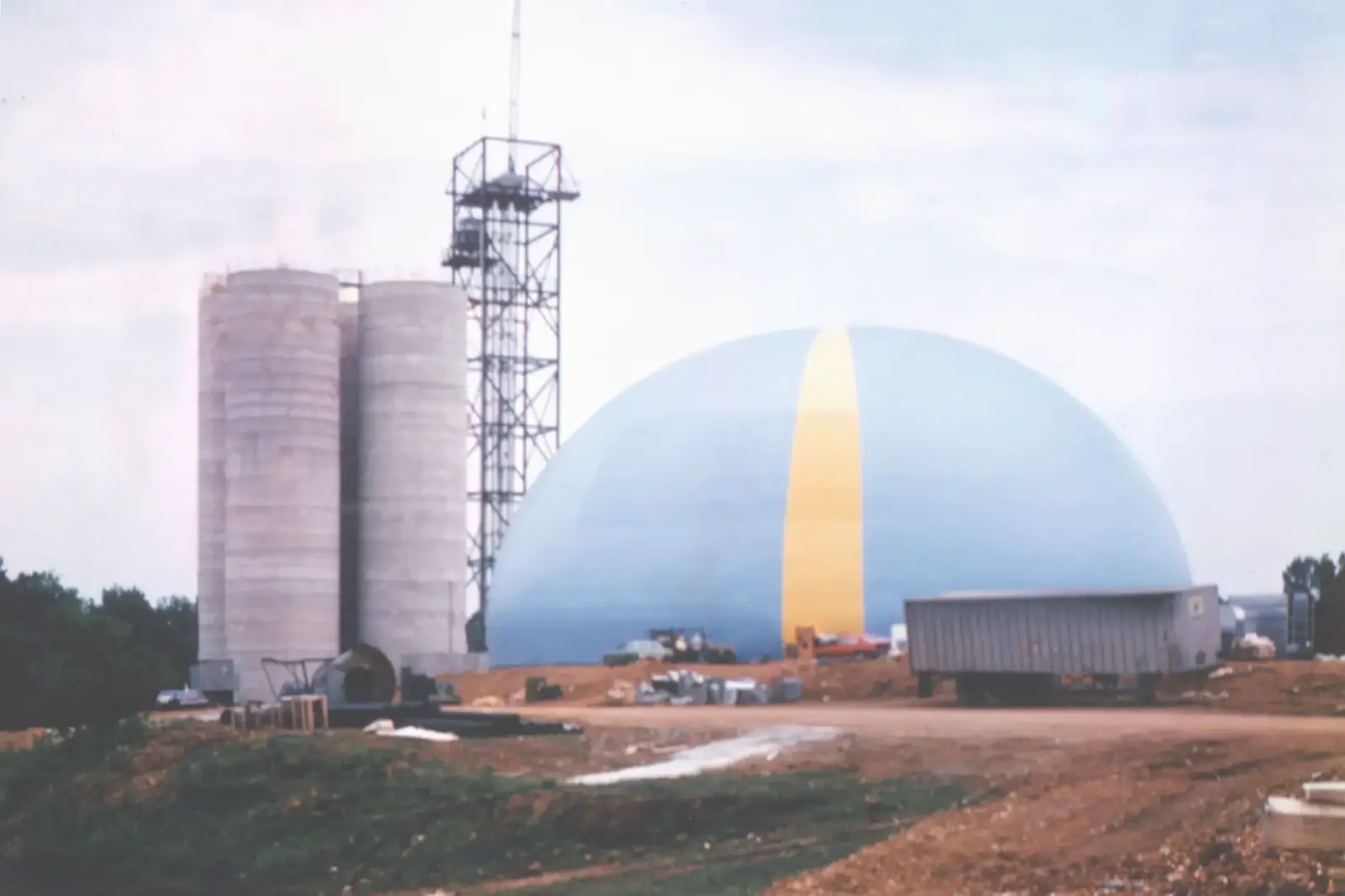
[Left] 1979: Fielding and Sons commissions this 75-foot-diameter grain storage a few years after acquiring a 105-foot-diameter Monolithic Dome potato storage. [Right] 1982: A 150-foot diameter and 75-foot tall Monolithic Dome Grain Storage is built to accommodate one million bushels of grain. Located in Hillsboro, Alabama.
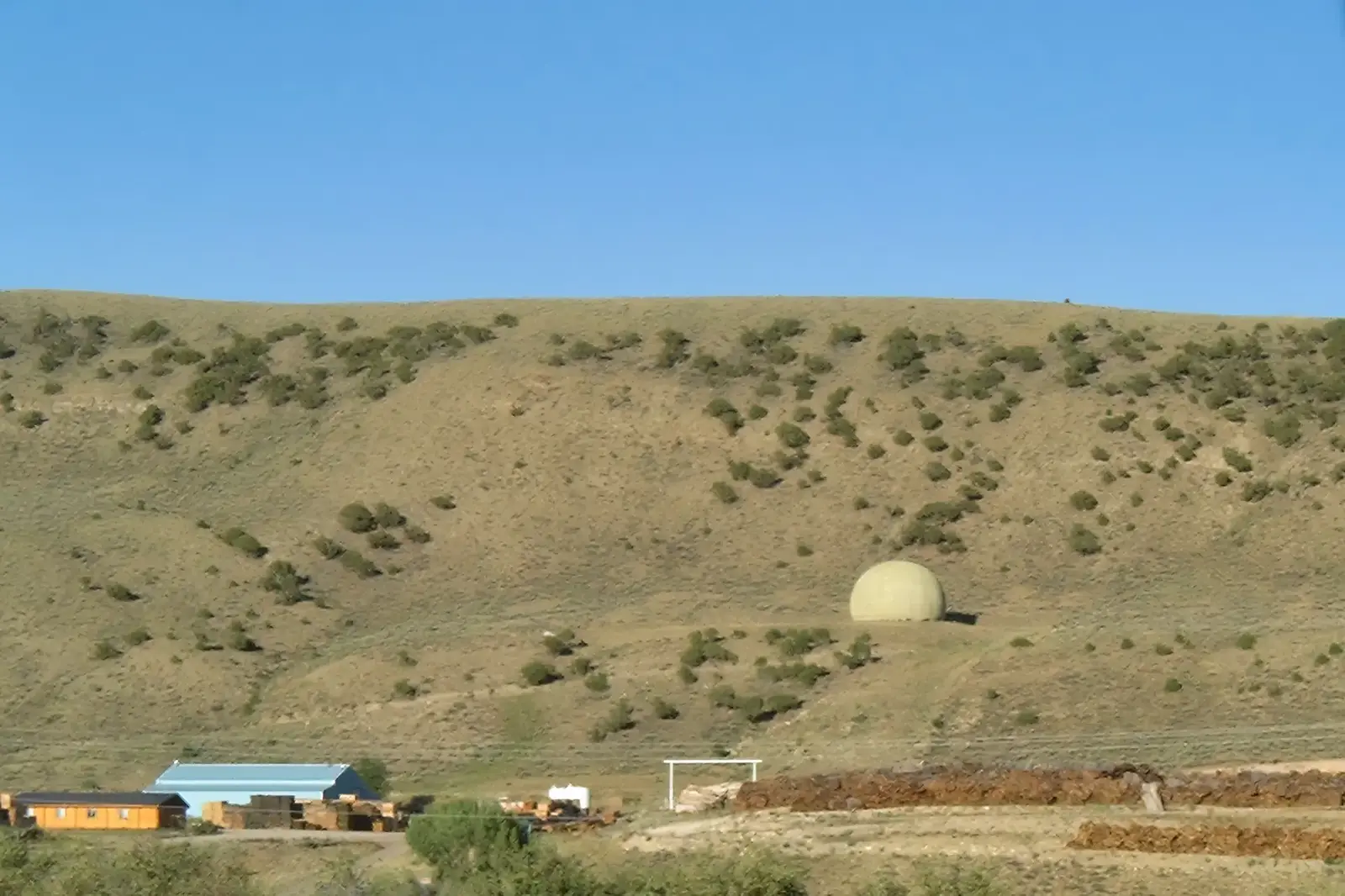
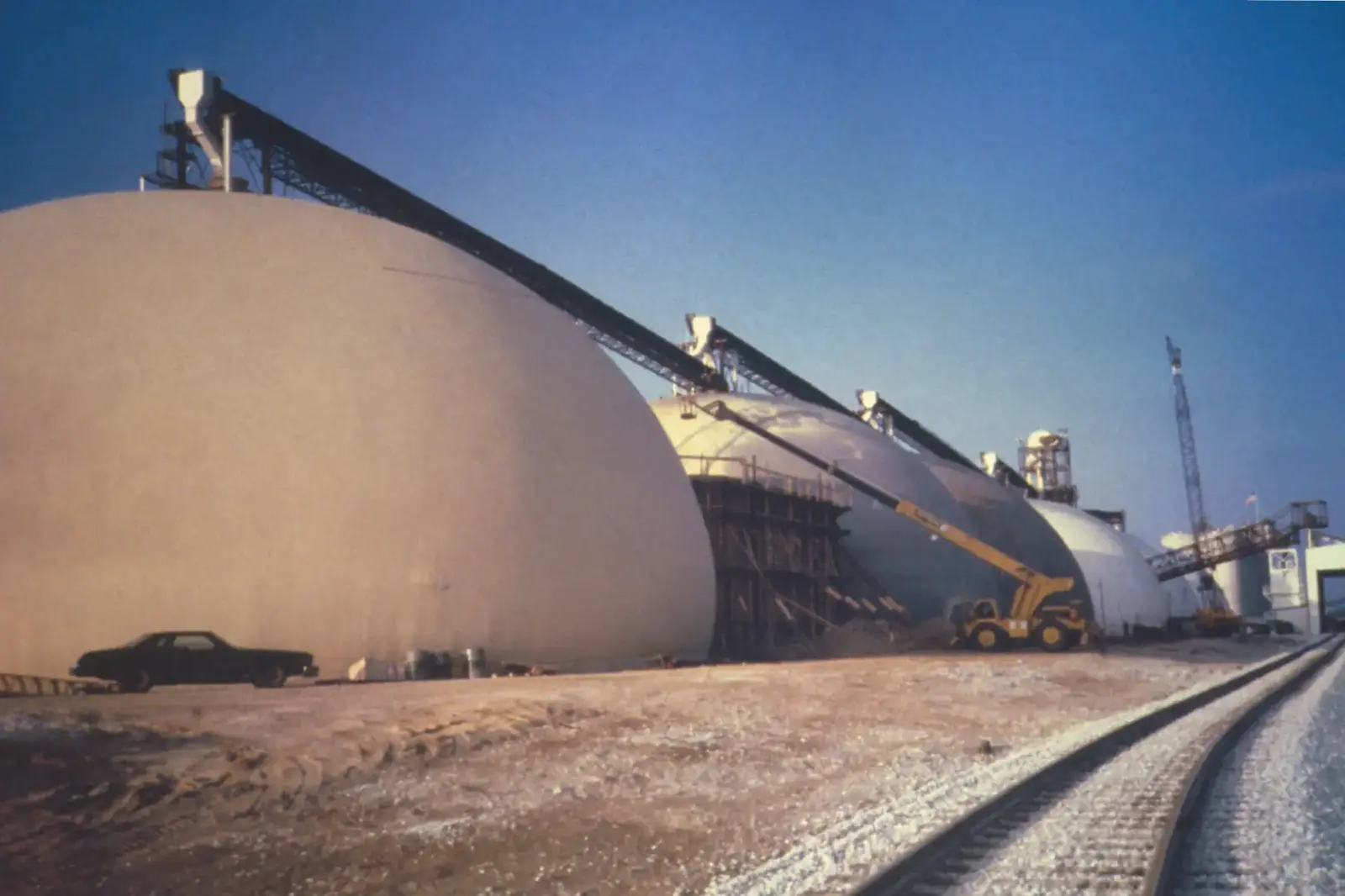
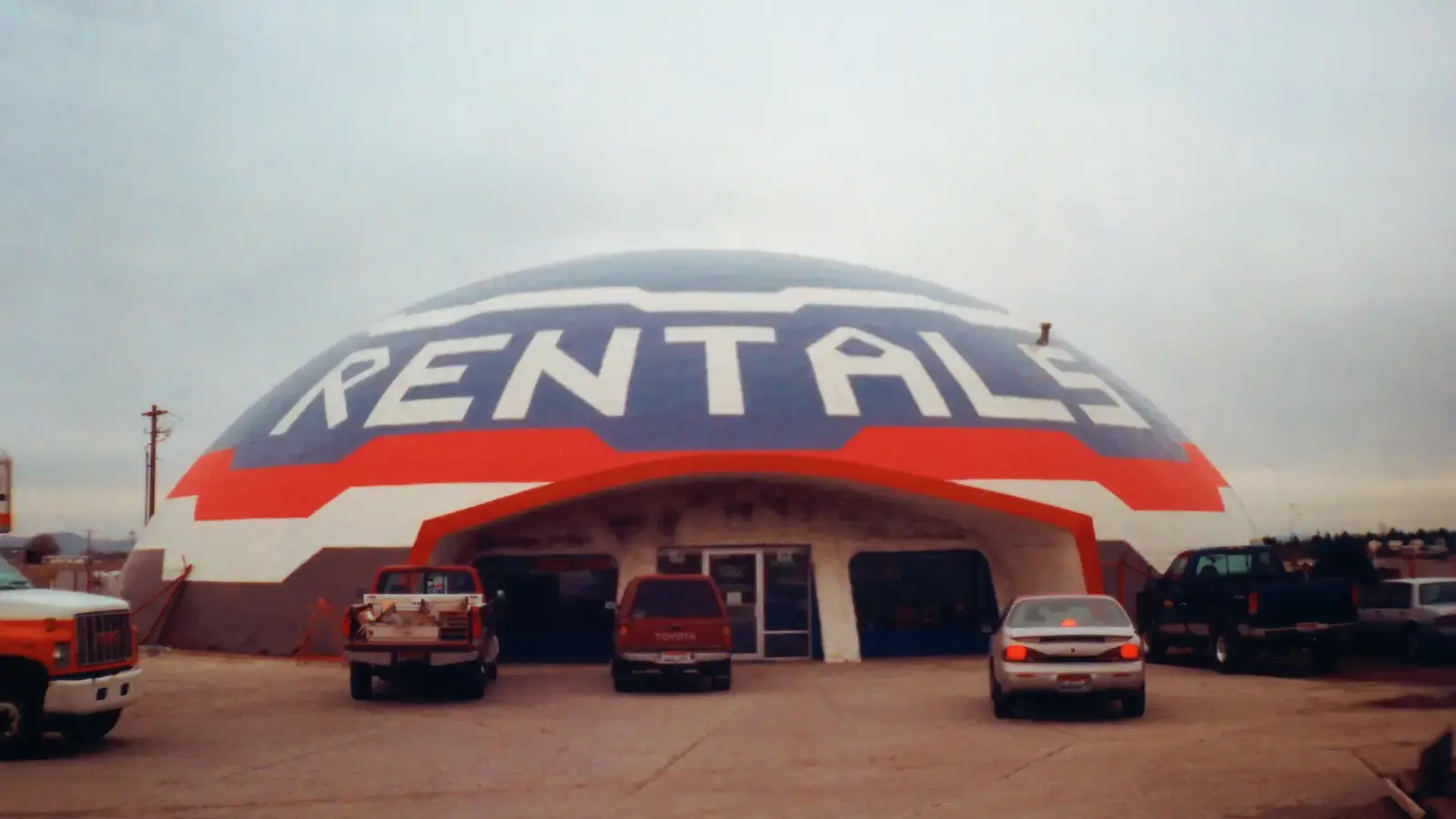
[Left] 1982: South and Jones Timber Company’s 48-foot three-quarter sphere water tank. The tank in Evanston, Wyoming, holds 350,000 gallons of water. [Center] 1983: Grain and Fertilizer Storages in Naples, Illinois, 112-foot diameter hemispheres, are constructed. Notice the conveyors and headhouses mounted to the domes. [Right] 1983: In Rexburg, Idaho, this 105-foot-diameter Monolithic Dome was originally built as a privately-owned grocery store. Years later, it changed hands and was covered in brightly-colored metal cladding.
Melinda South / Monolithic Commons / CC BY 4.0
David B. South / Monolithic Commons / CC BY 4.0
David B. South / Monolithic Commons / CC BY 4.0
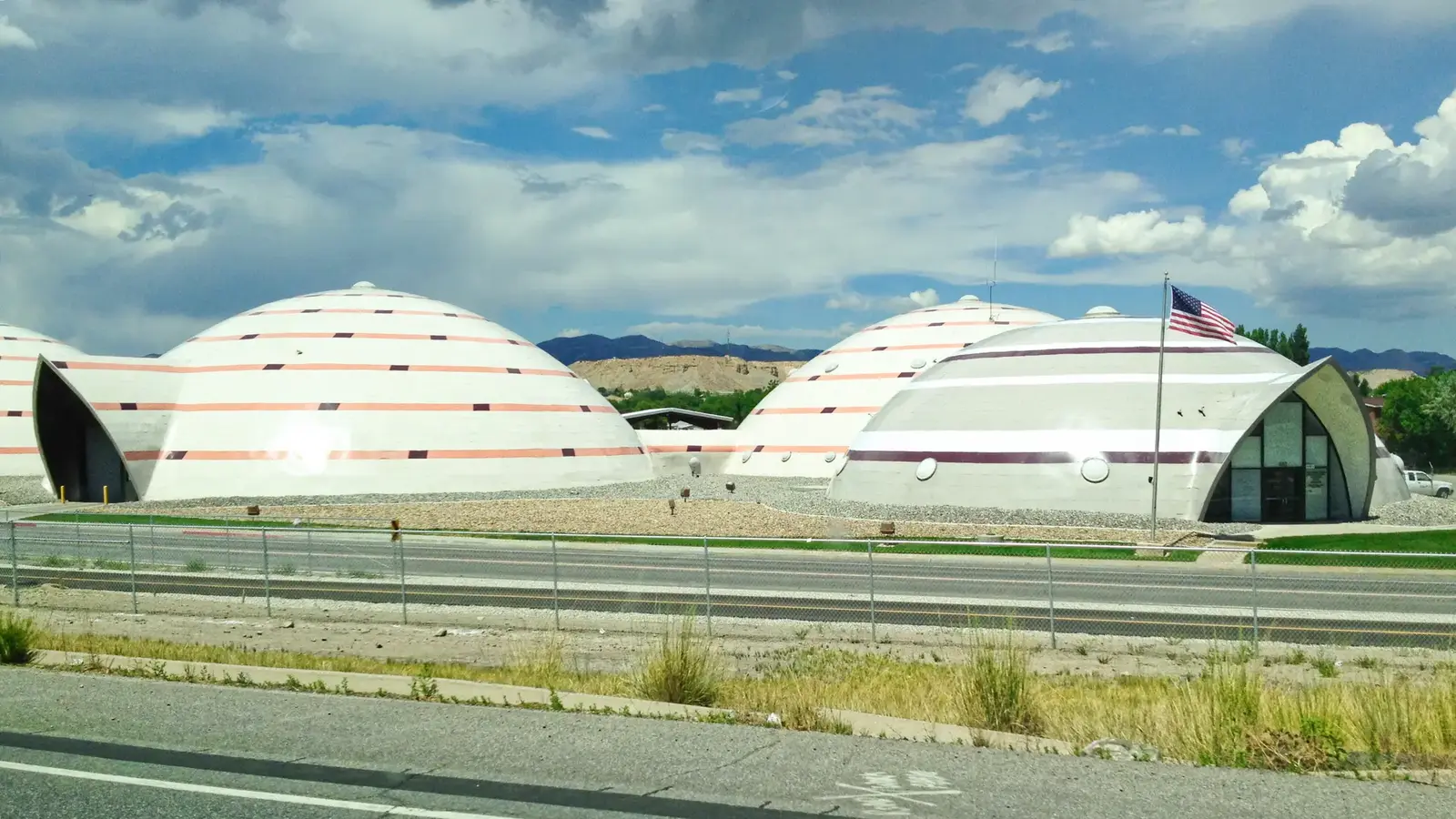
1983: The Price City Offices complex is a series of four large interconnected Monolithic Domes in Price, Utah. The campus stands out architecturally as the first group of Monolithic Domes to feature dramatic Gothic arches.
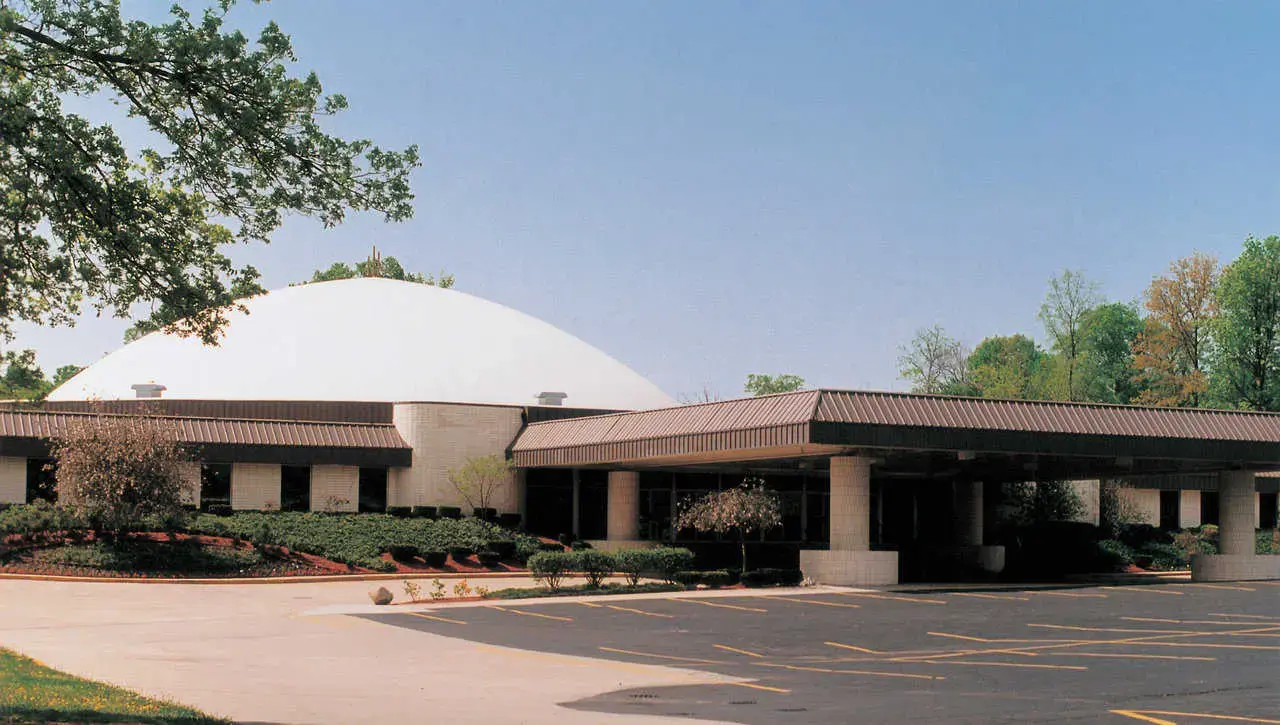
1983: The first-ever Monolithic Dome church is built for LeSea Ministries. The dome is 190 feet in diameter and 67 feet tall.
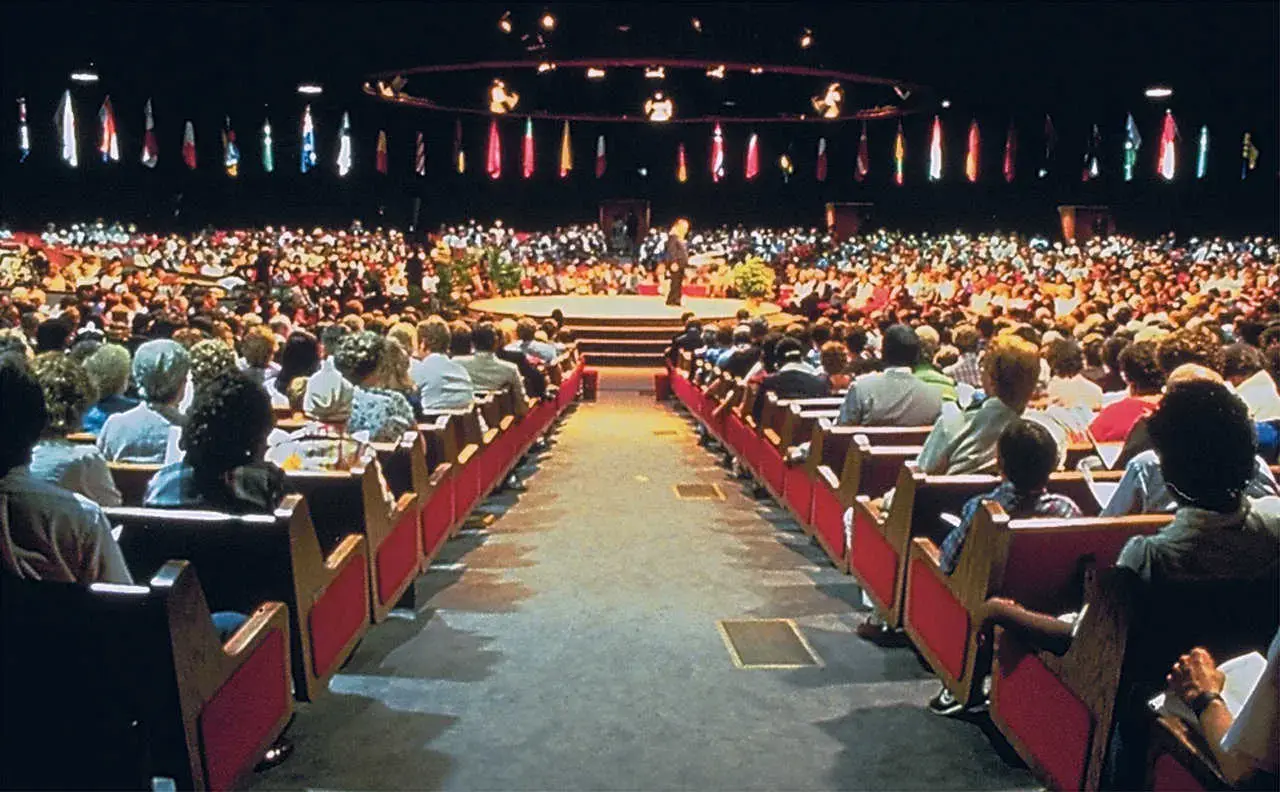
1983: The first Monolithic Dome Church is located in South Bend, Indiana, and features a 3000-seat sanctuary in the round with a central podium.
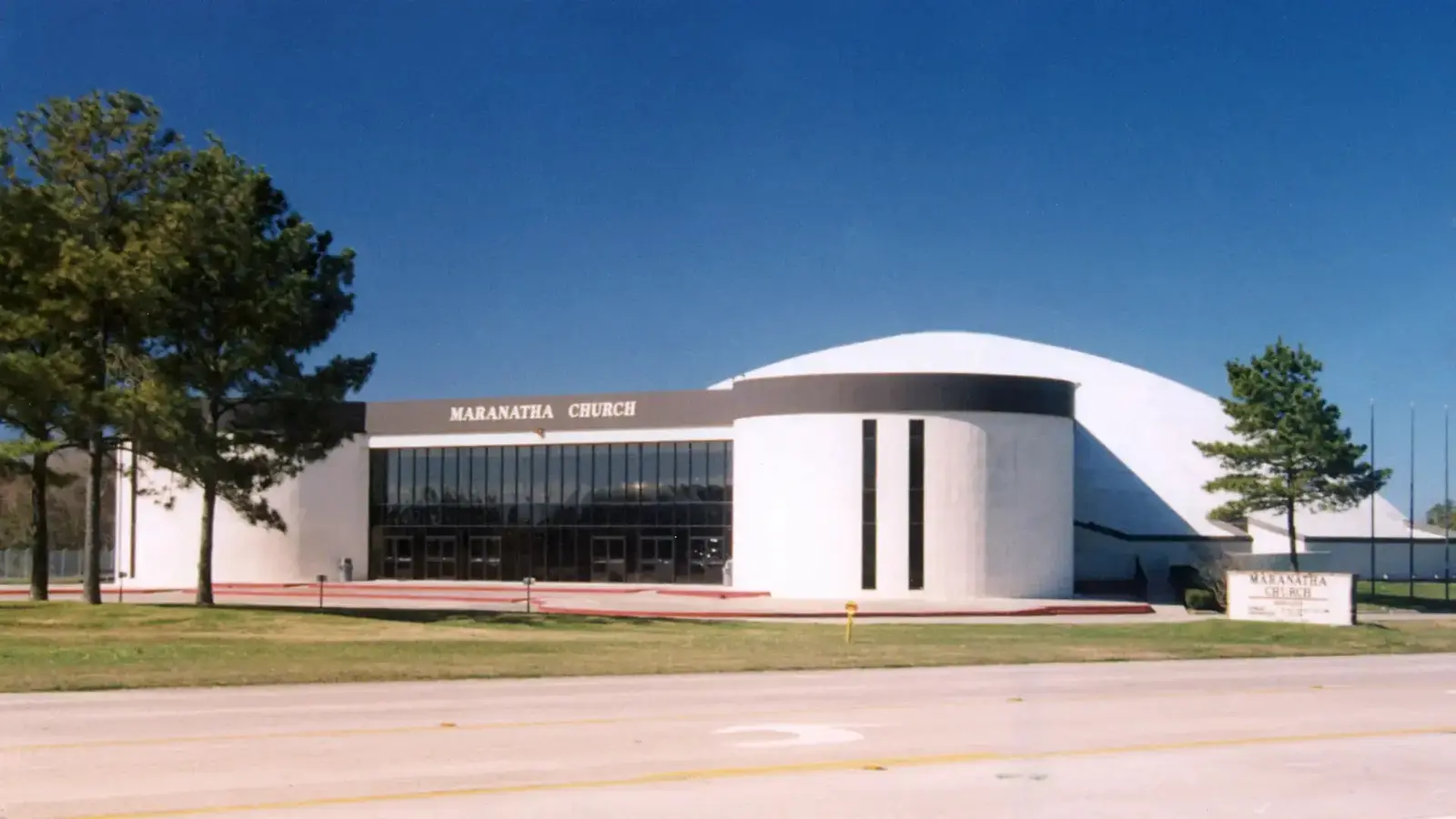
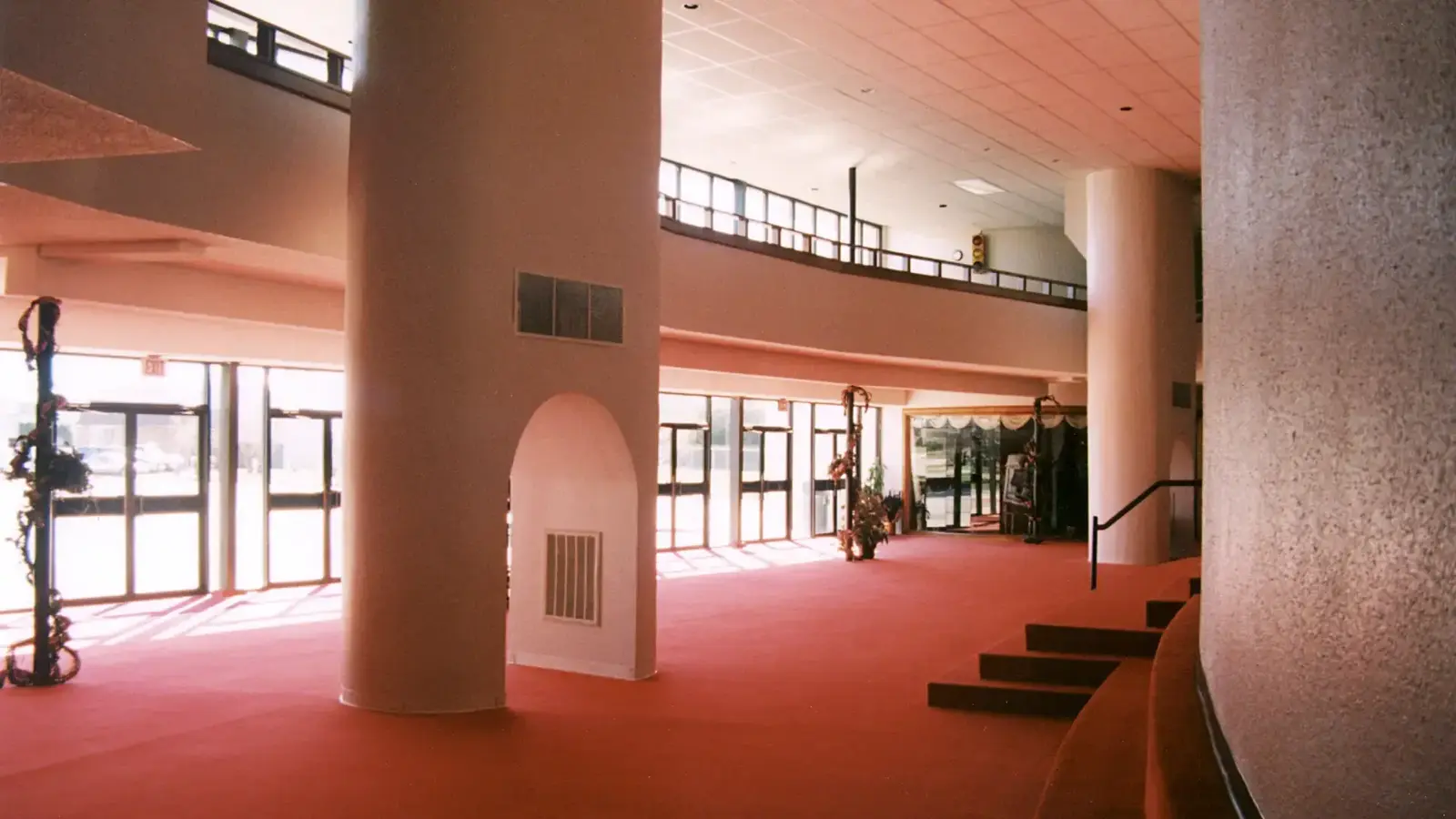
[Left] 1984: The second Monolithic Dome Church, Maranatha Christian Church, is constructed in Mont Belvieu, Texas. [Right] 1984: Maranatha’s new facility consists of two Monolithic Domes, the 208-foot-diameter church and an auxiliary building, 60 feet across and 25 feet tall.
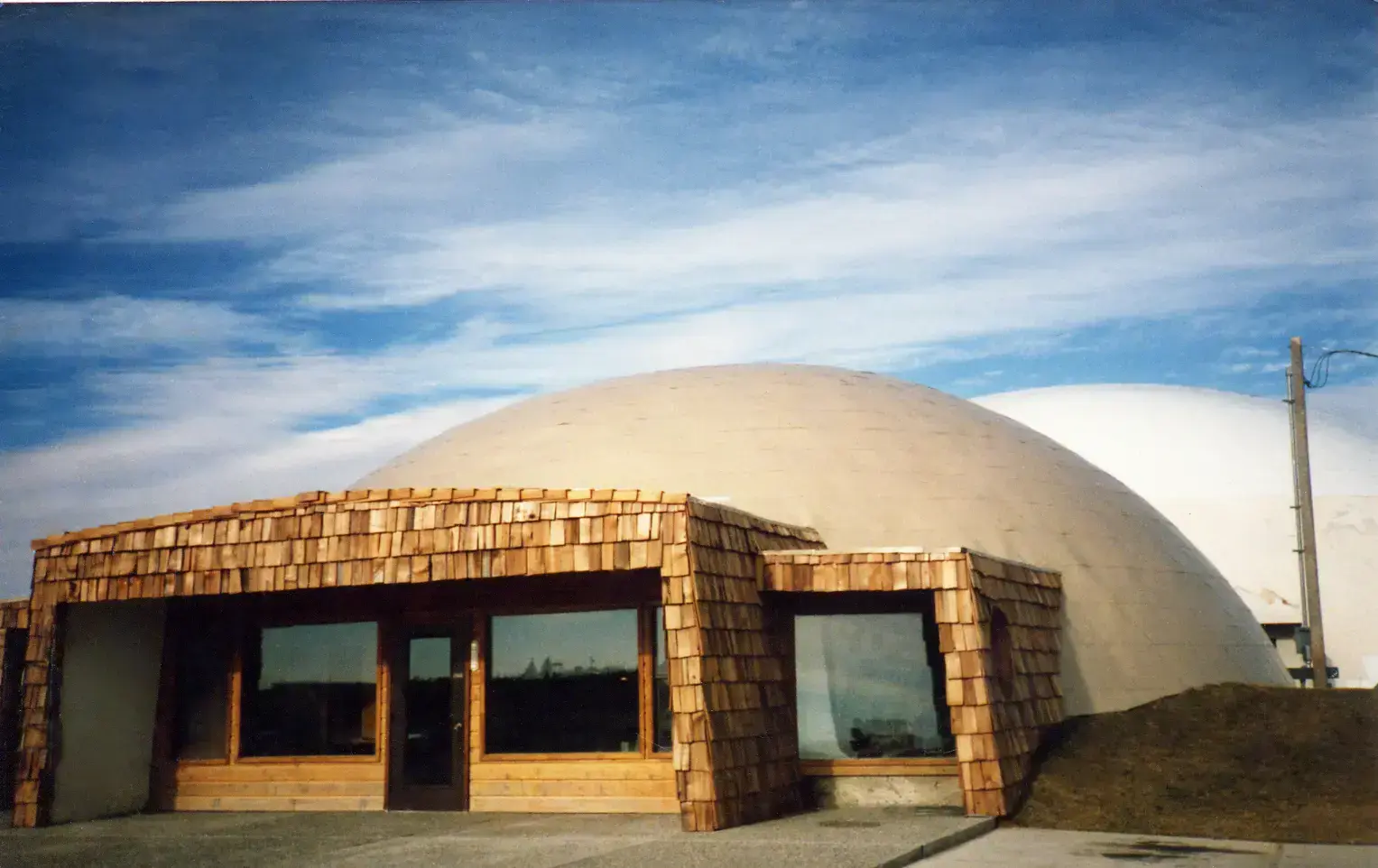
1984: New office and shop (behind at right) are built in Idaho Falls, Idaho for Monolithic Constructors, Inc.—the company established by the South brothers in 1980 to exclusively sell and construct Monolithic Domes.
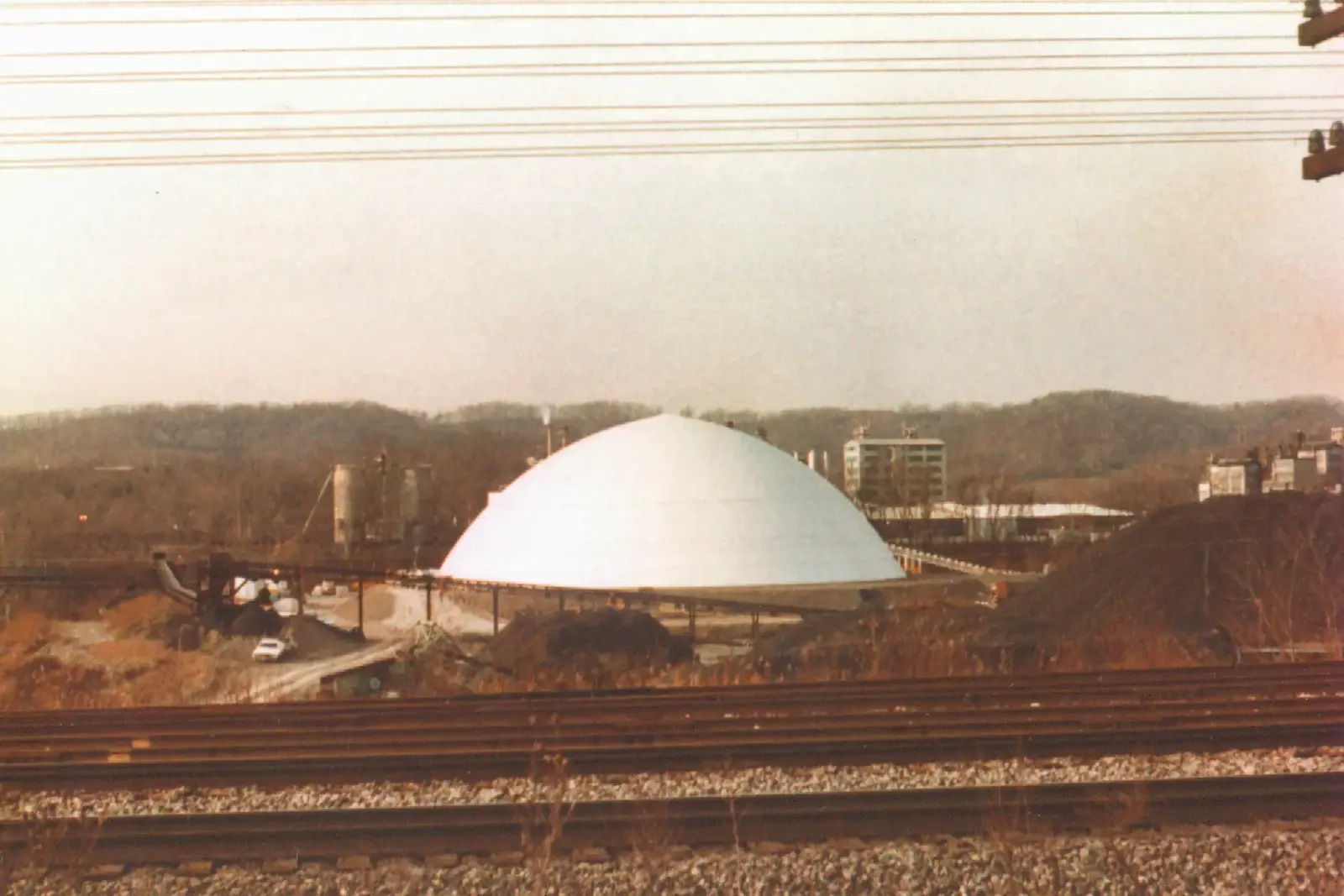
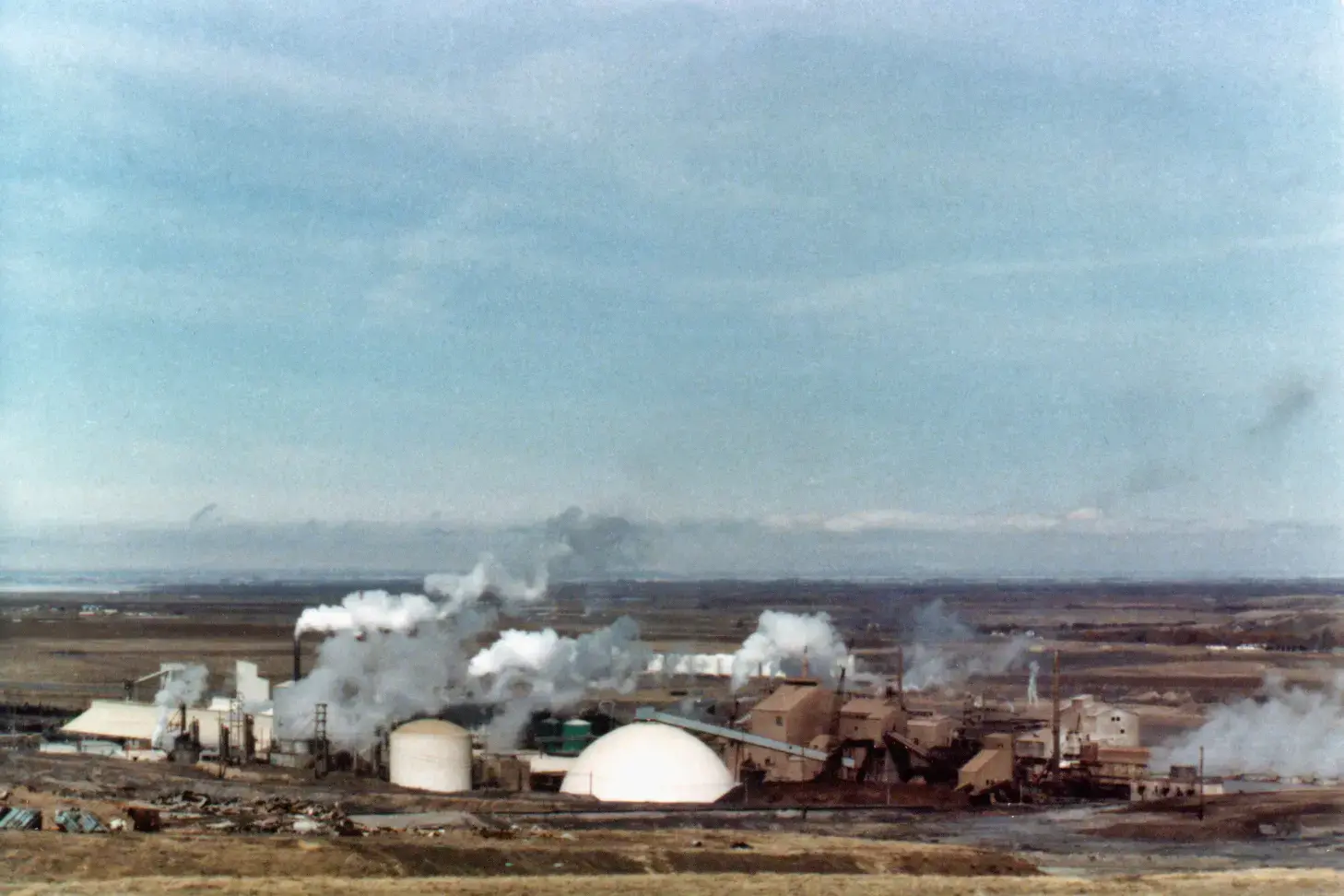
[Left] 1984: This ammonium sulfate storage is built for J. R. Simplot in Pocatello, Idaho. The dome is 150 feet in diameter and 70 feet tall. [Right] 1985: J. R. Simplot’s 22,000-ton Monolithic Dome ammonium sulfate storage, also in Pocatello, Idaho, is completed.
1986-1995
Between 1986 and 1995, Barry South founds Dome Technology in Idaho, and David and Randy move Monolithic to Texas. David acquires Precision Air Structures (PASCO) from Jack Boyt, and relocates the Des Moines, Iowa business, to Texas. The decade holds several more firsts: The first Monolithic Dome School is built, the first Monolithic Dome Conference is held, and the first of many Monolithic Dome Builders Workshops kick off in Italy, Texas. And, Bruco, the Famous Texas-Italian Caterpillar is built to house PASCO. In 1995, Architect Rick Crandall joins the effort, designing the first standalone Monolithic Dome gymnasium for the Payson School District in Utah and helping round out the group of early leaders. He goes on to influence the design and construction of more than 250 projects and at least 450 Monolithic Domes.Rick Crandall, Dr. Arnold Wilson, Jack Boyt, Larry Byrne, Gary Clark, David B., Barry and Randy South remain closely connected, continually planning, refining, and advancing the Monolithic Dome.This, the second decade of Monolithic Domes, is also filled with ever larger school and bulk storage projects, and Monolithic expands internationally, building in Algeria, Poland, Indonesia, Iraq and more.
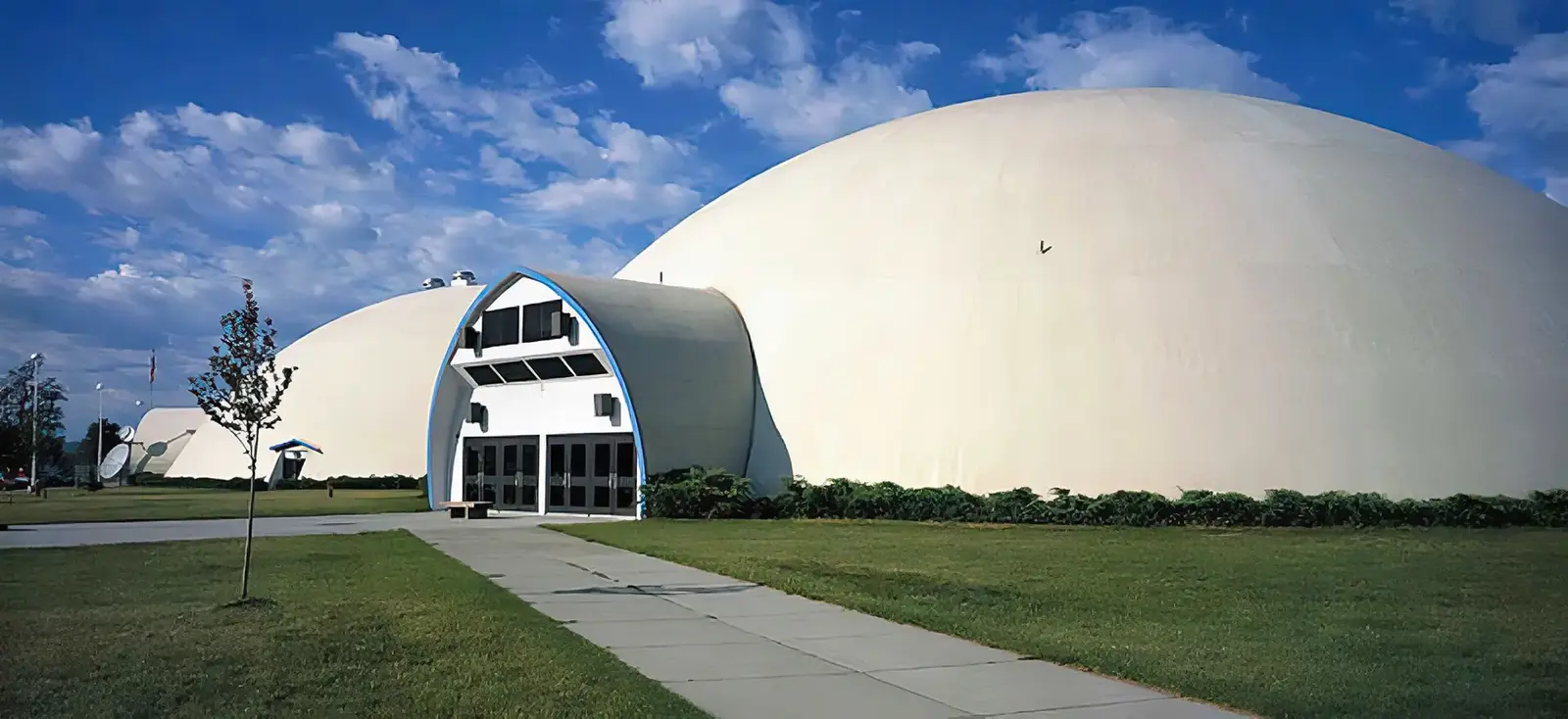
1986: The first-ever Monolithic Dome School is constructed in Emmett, Idaho. The campus is home to five Monolithic Domes. These two large, multistory domes, both 180 feet in diameter, house classrooms, a library, a gymnasium, and more. Three smaller domes house technical classes.
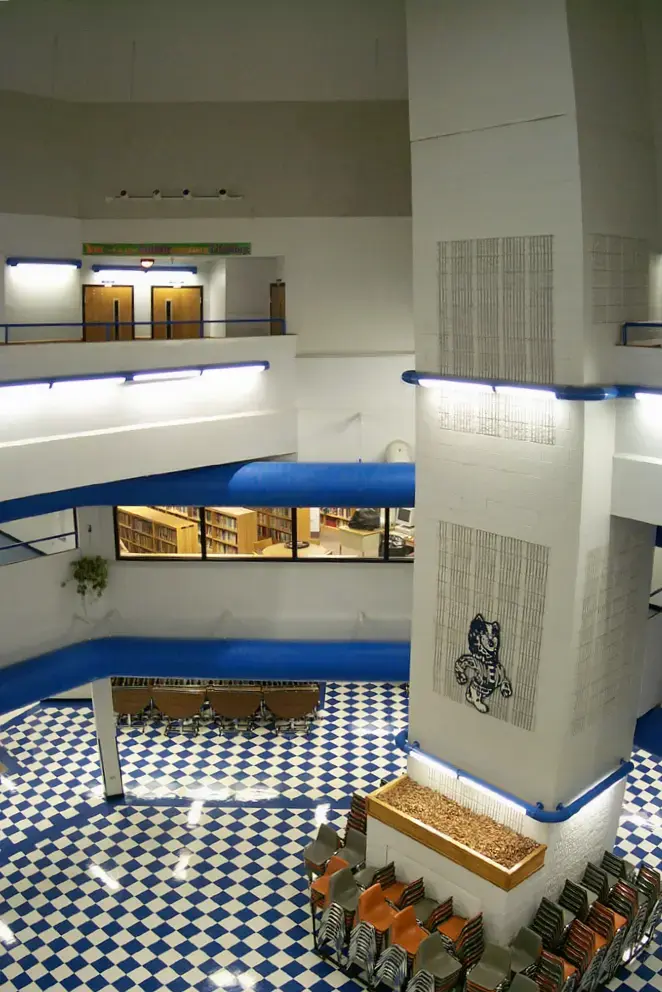
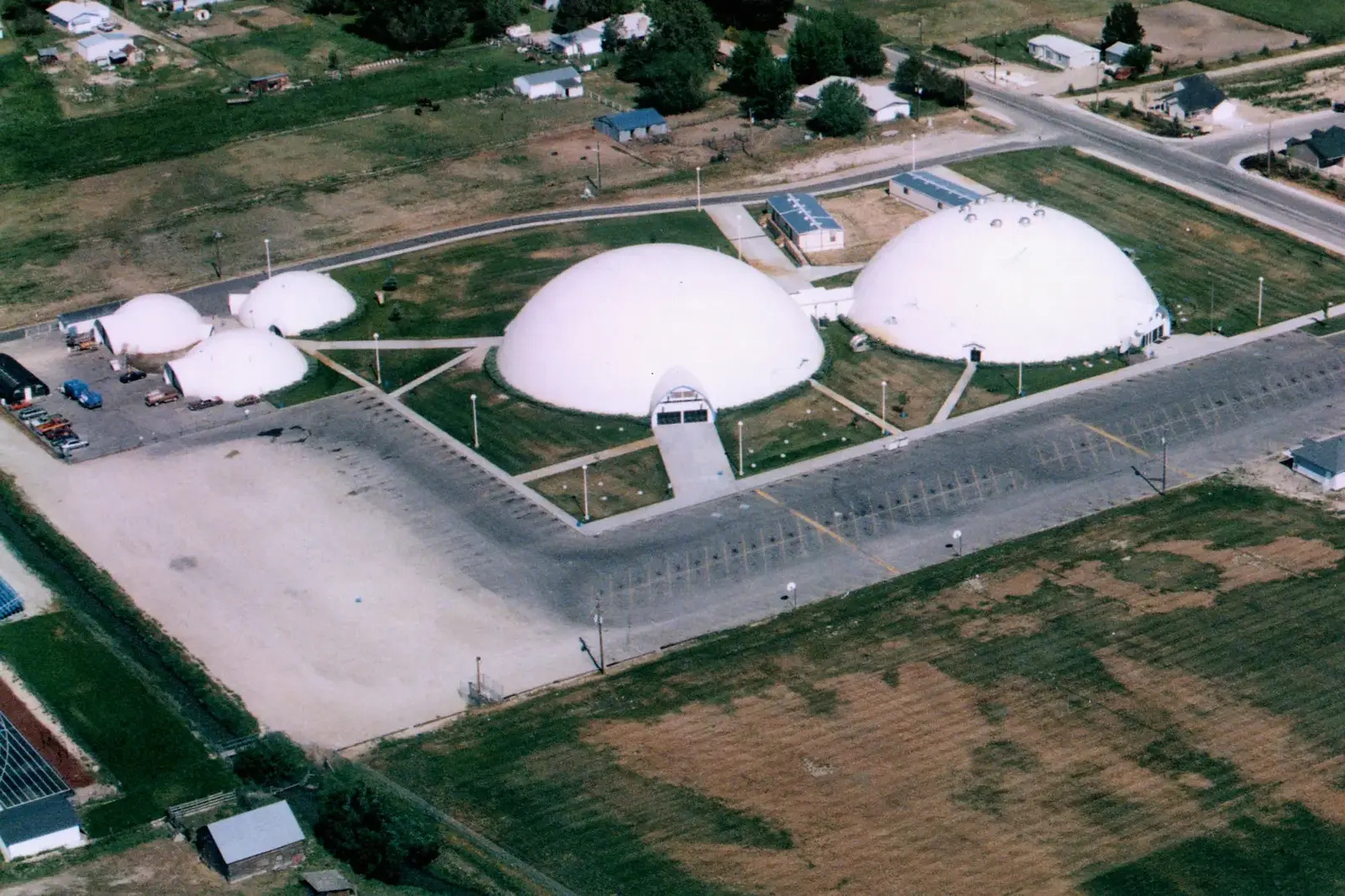
[Left] 1986: One of the two 180-foot-diameter domes of Emmet High School’s campus features an atrium, cafeteria, library and classrooms. [Right] 1986: The students of Emmet High School attending school when the domes were built, told us they were proud to be the first students to ever go to school in a Monolithic Dome High School.
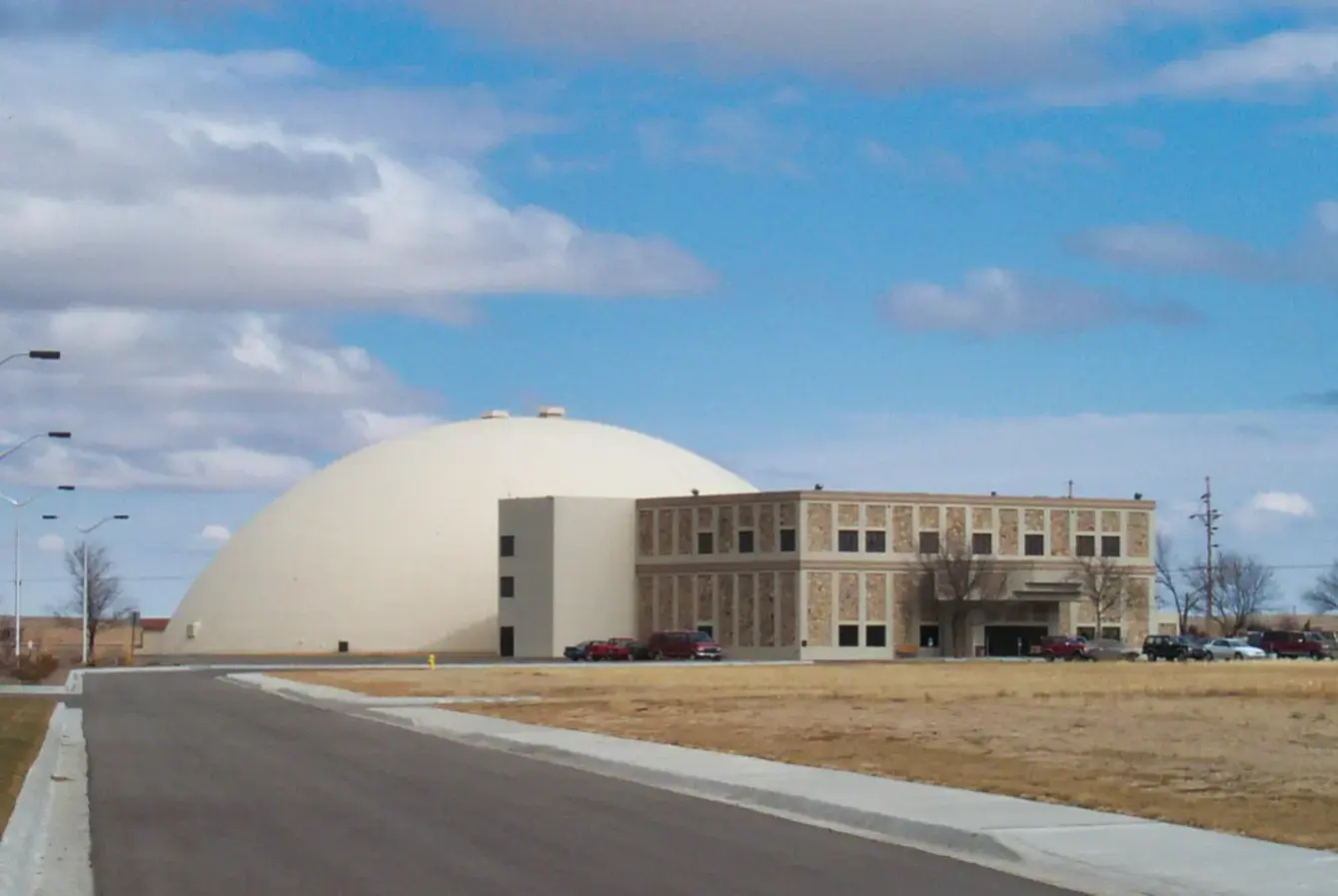
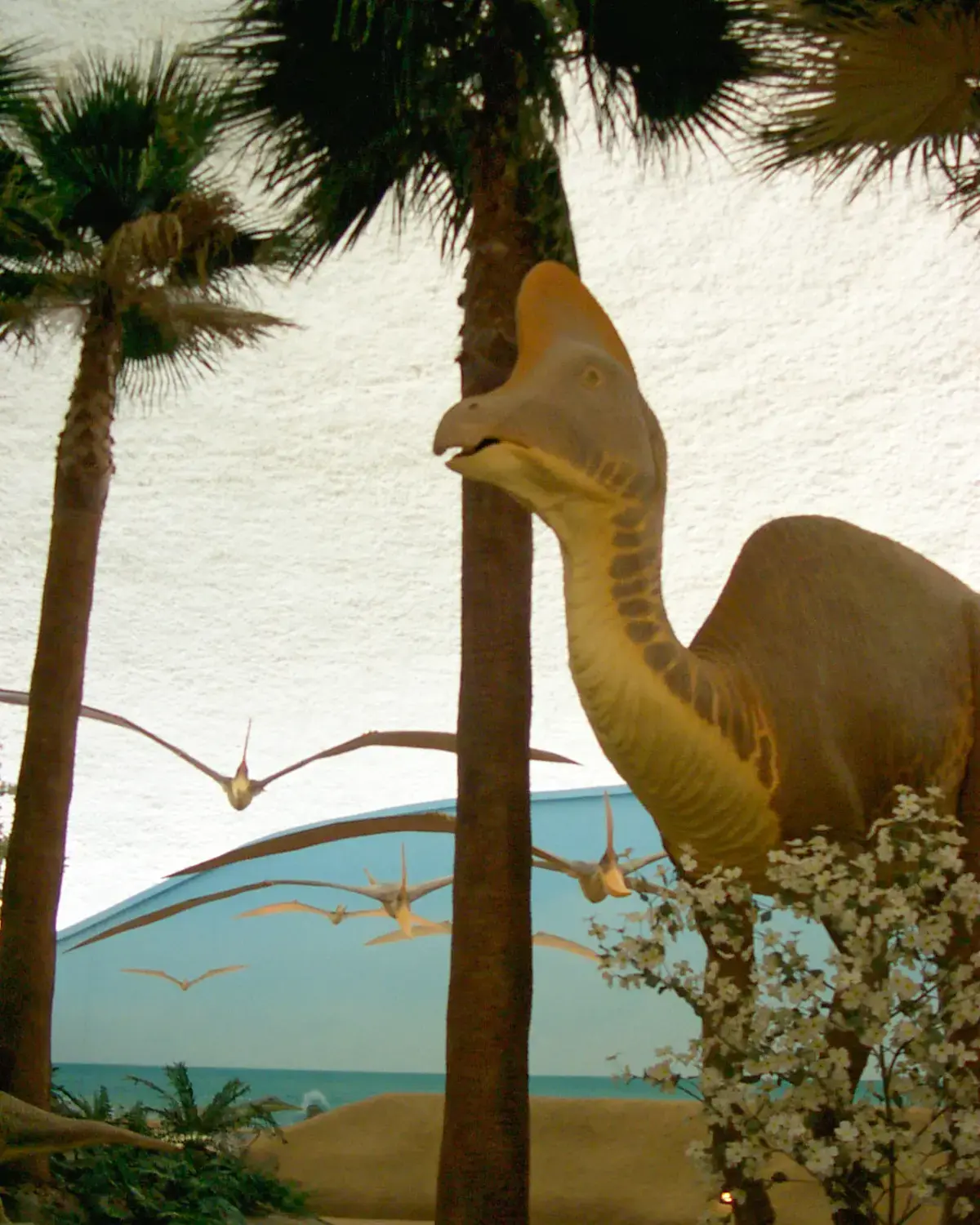
[Left] 1986: This 200-foot diameter dome started out as a bowling alley, later becoming part of Fort Hays State University as the Sternberg Museum of Natural History. [Right] 1986: Dinosaurs rule in the 200-foot-diameter dome at the Sternberg Museum of Natural History in Hays, Kansas.
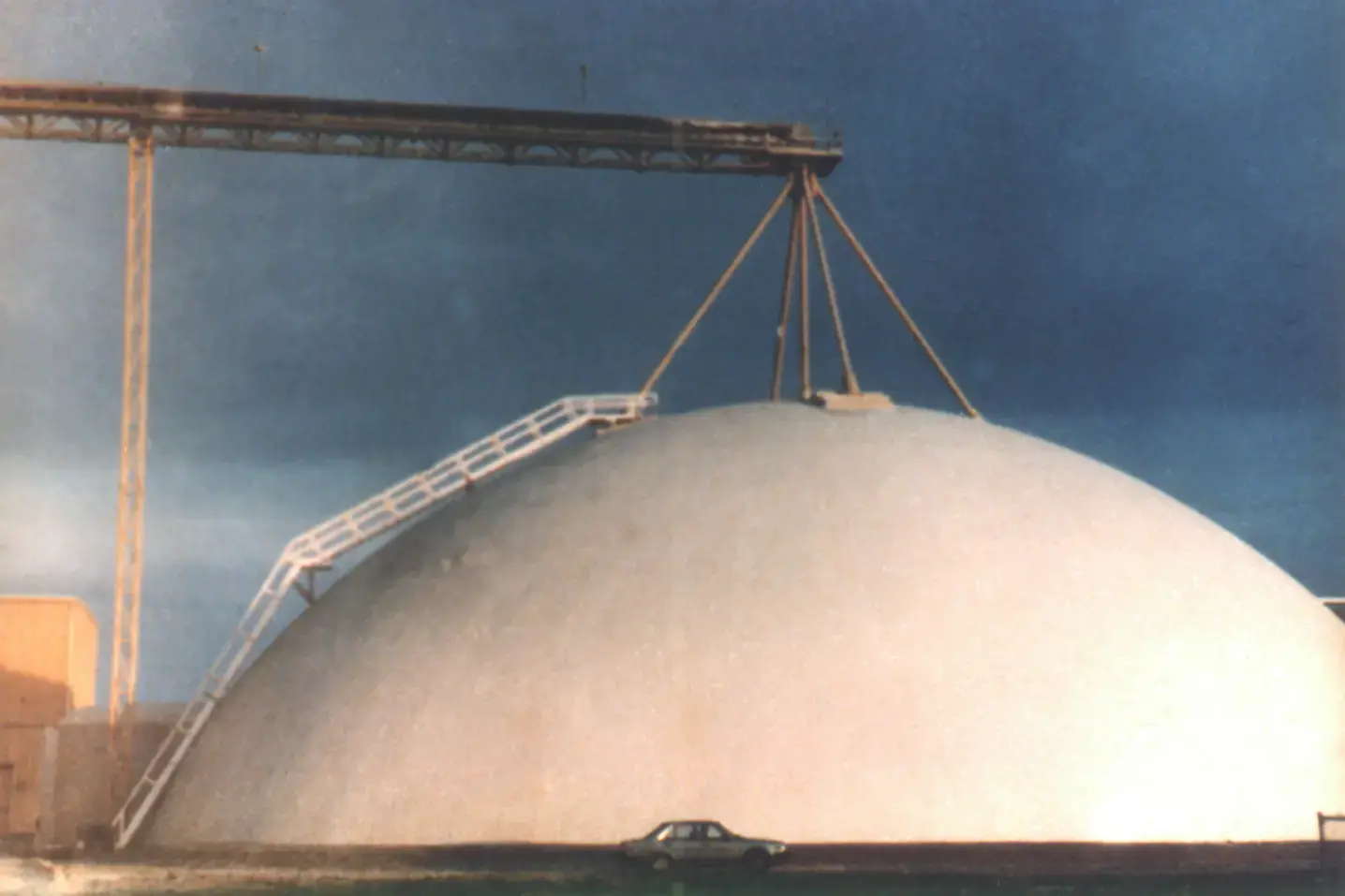
1986: The Great Salt Lake Minerals & Chemicals Corporation in Ogden, Utah potash storage dome, 160 feet in diameter. Note how small the car looks next to the large dome.
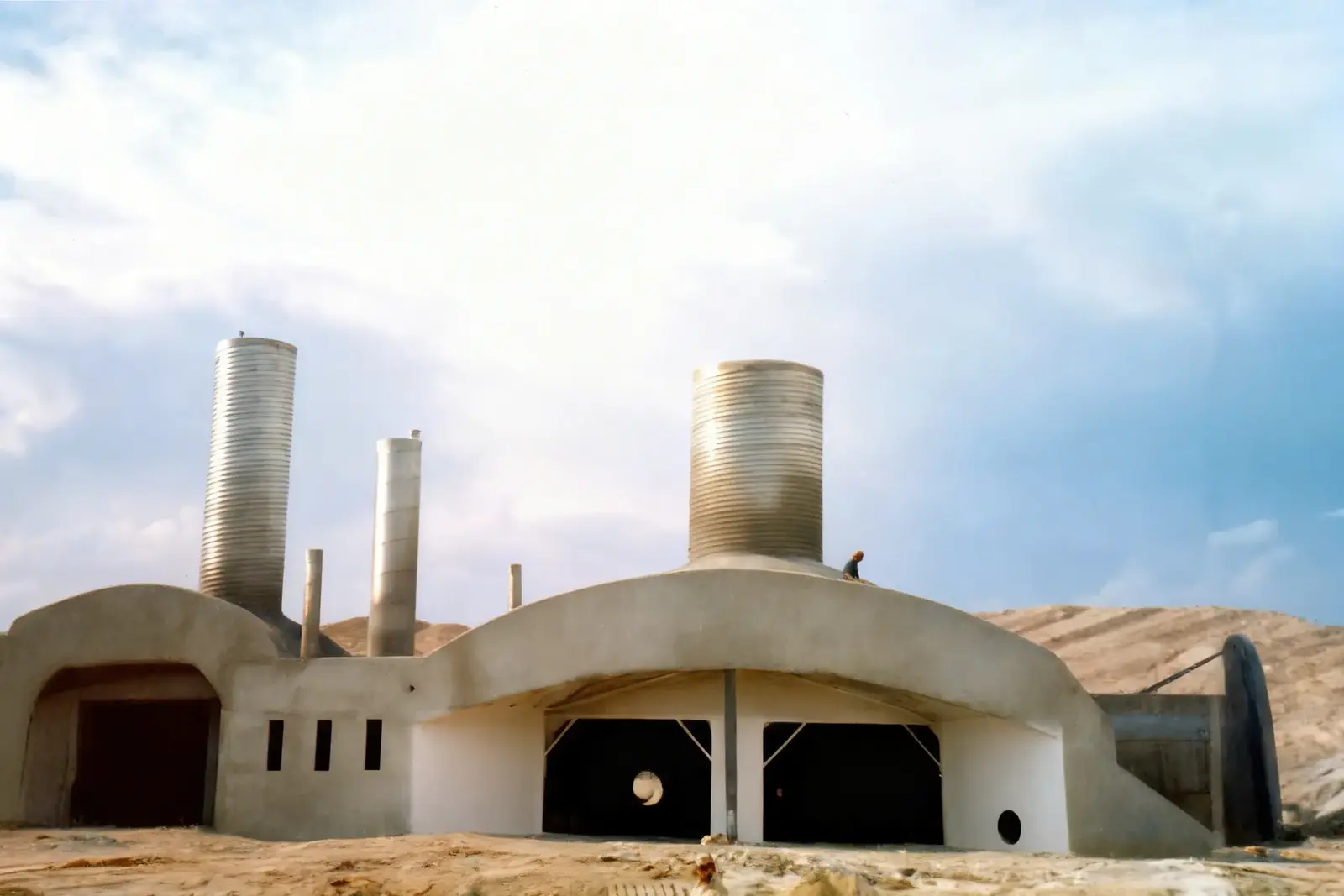
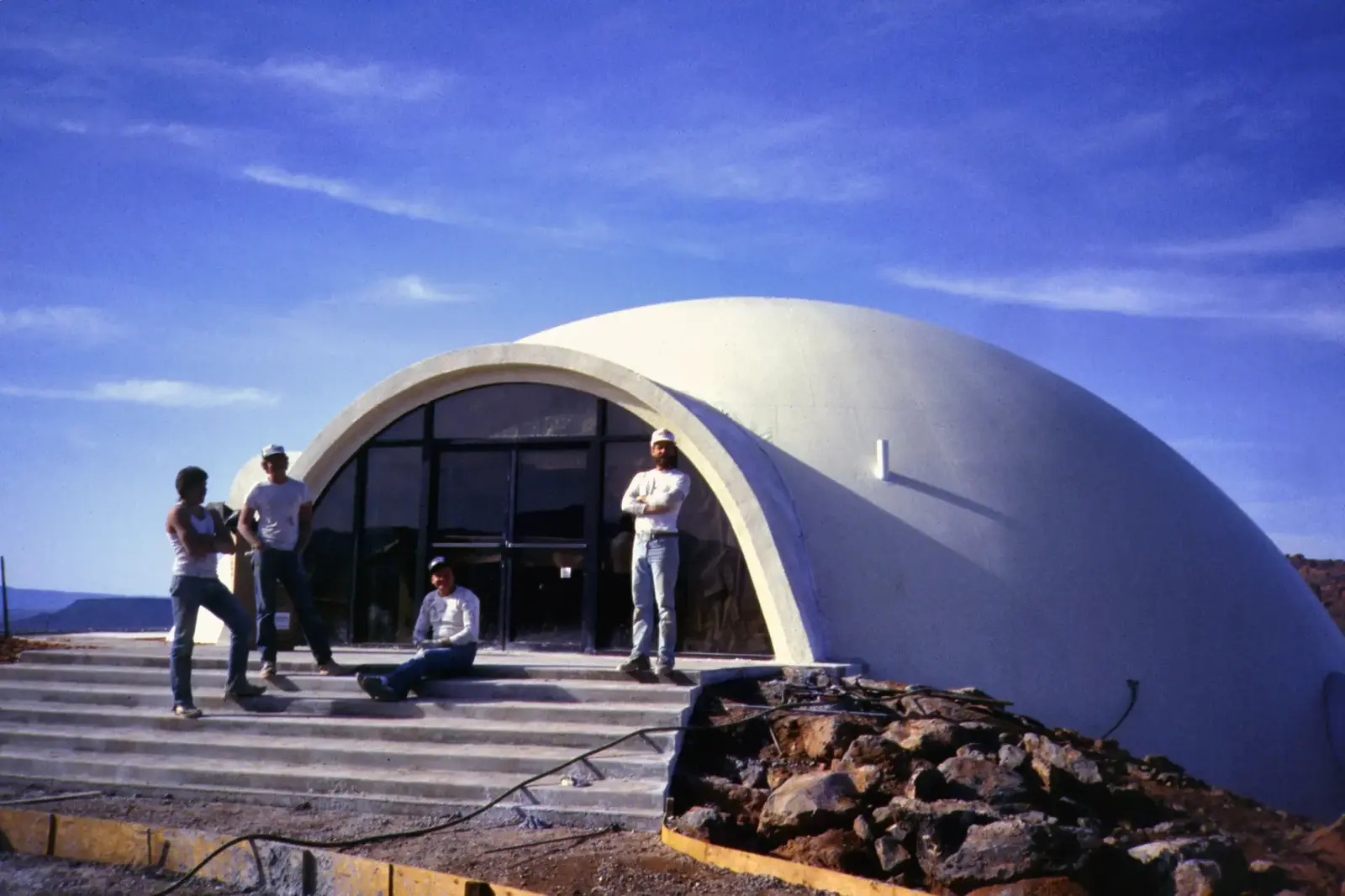
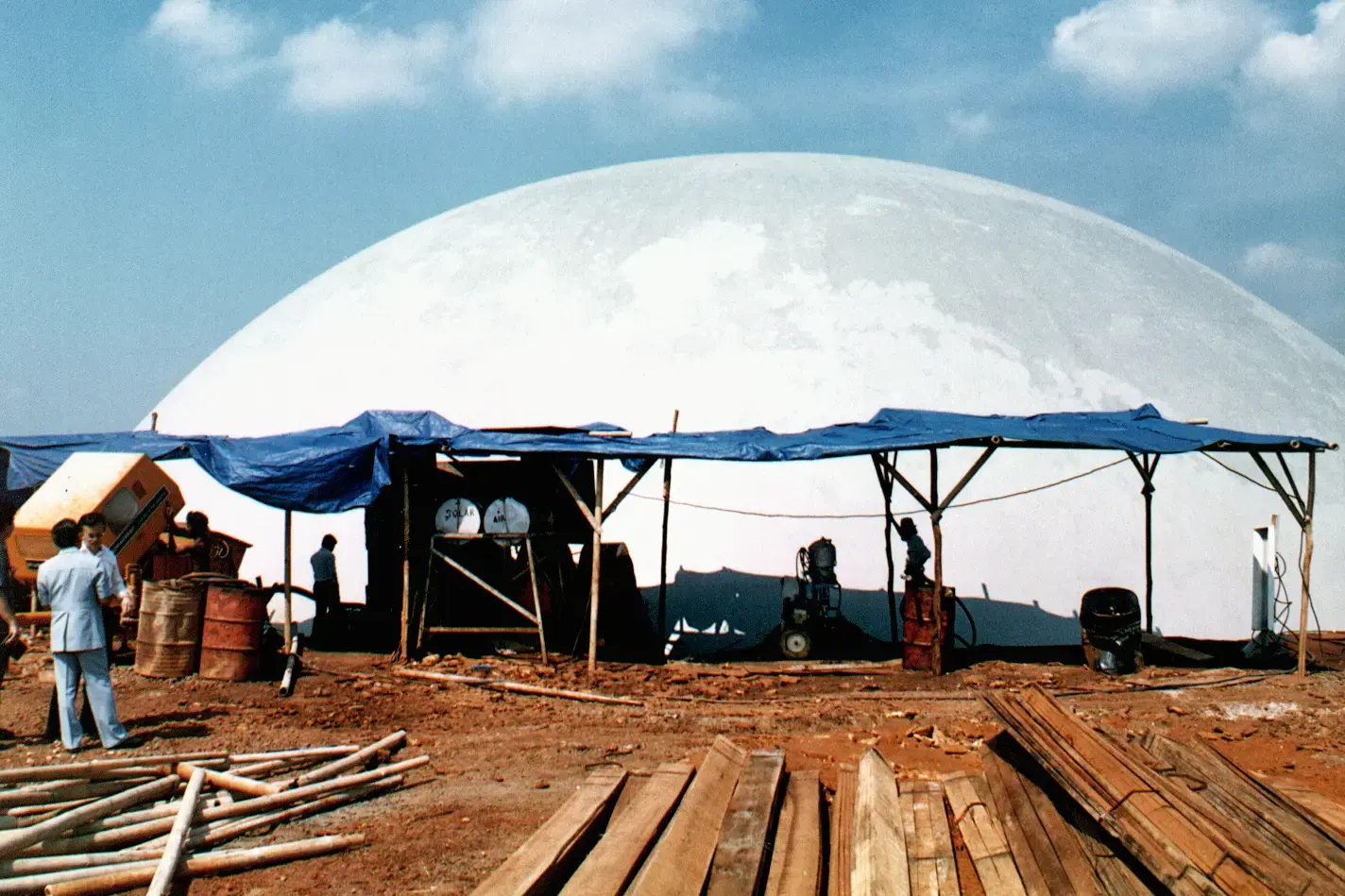
[Left] 1987: After construction is completed, a Caterpillar D8, weighing over 43.5 tons, is used to move 30 feet of dirt onto this multi-dome underground home in Presidio County, Texas. The dozer drives directly over the dome, back and forth, burying the structure and leveling the ground above. [Center] 1987: A 60-foot in diameter, three-story exercise gym and conference room for the National Institute of Fitness in Ivins, Utah. [Right] 1988: Storage dome located in Souma, Algeria 105-foot diameter and 35 feet tall.
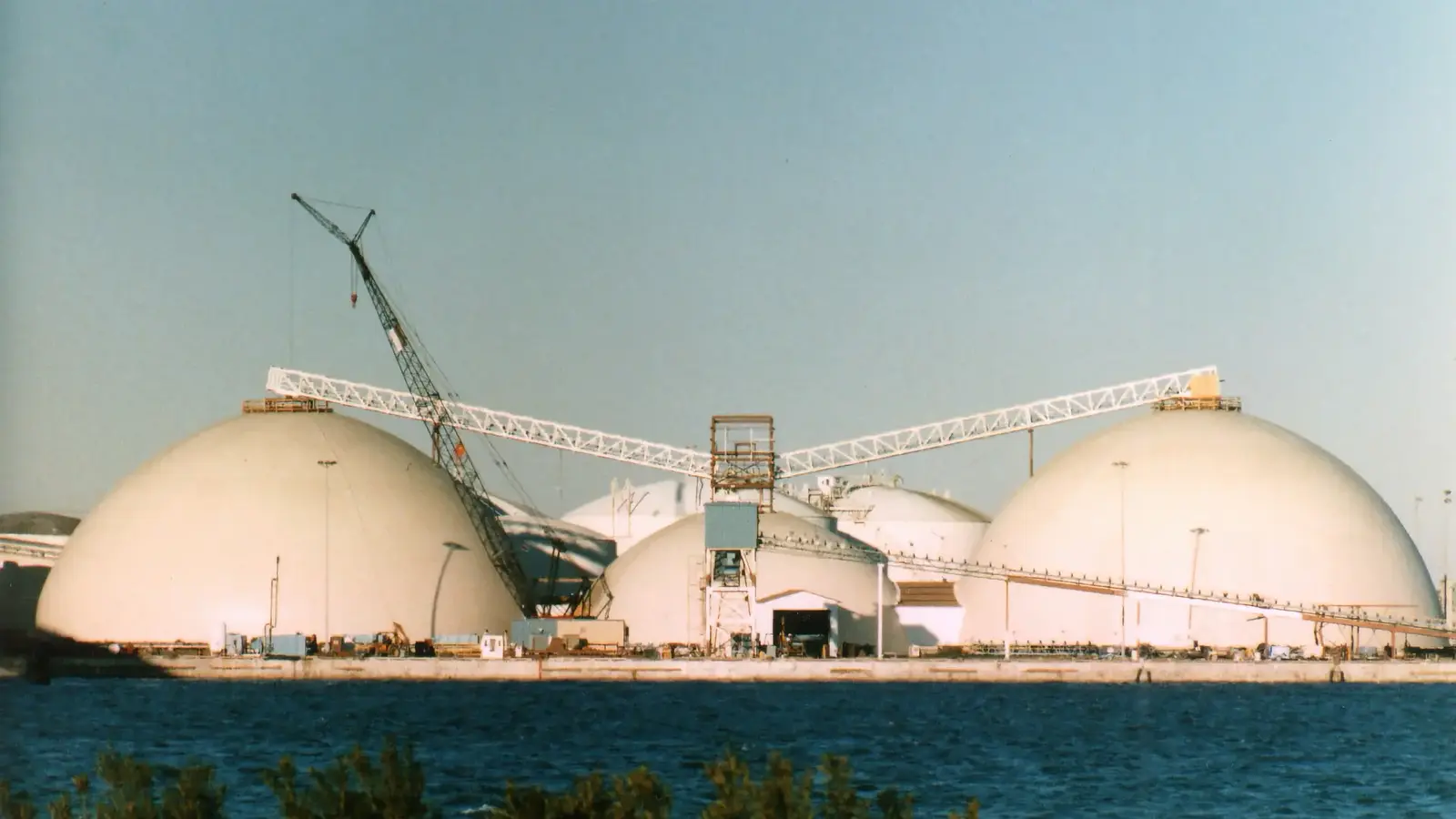
1988: Three fertilizer storage domes in Morehead City, North Carolina, consist of two 172-foot-diameter and 85 feet tall domes, and one 132-foot-diameter and 51 feet tall dome at the center.
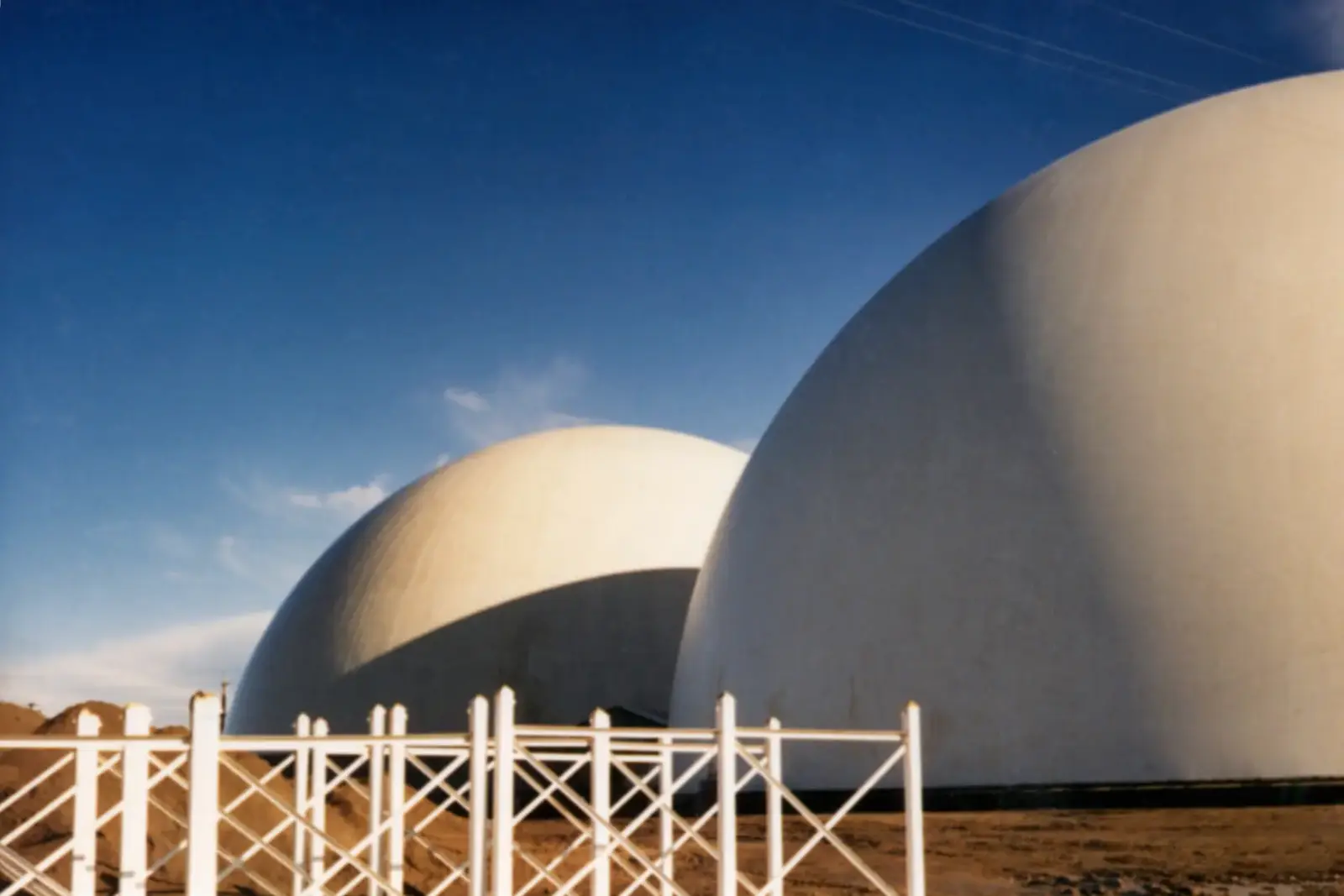
1989: Cold Storages in Stockton, California, are 230 feet in diameter hemispheres. These fully automated, atmosphere controlled storages were the first of their kind.
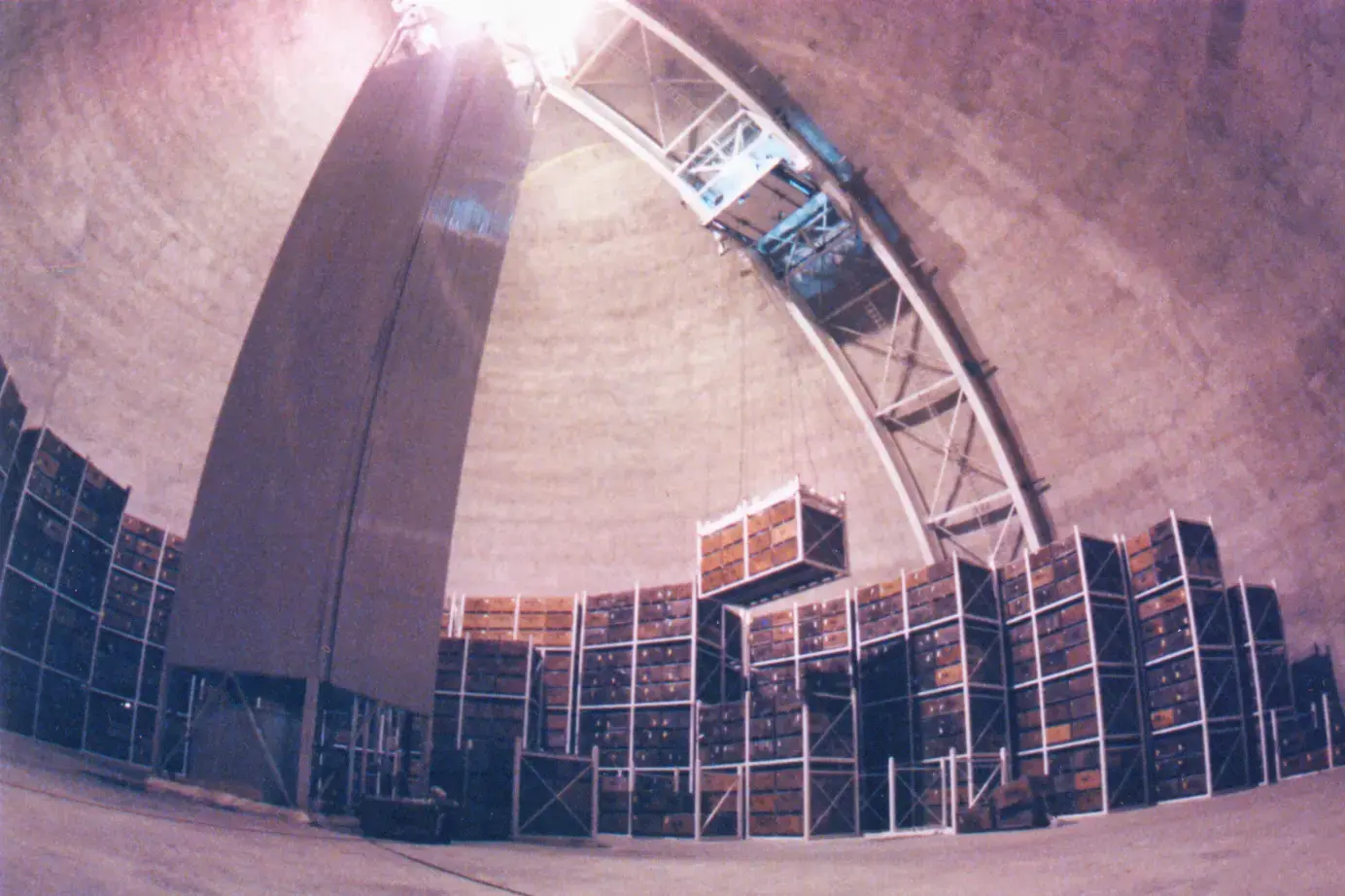
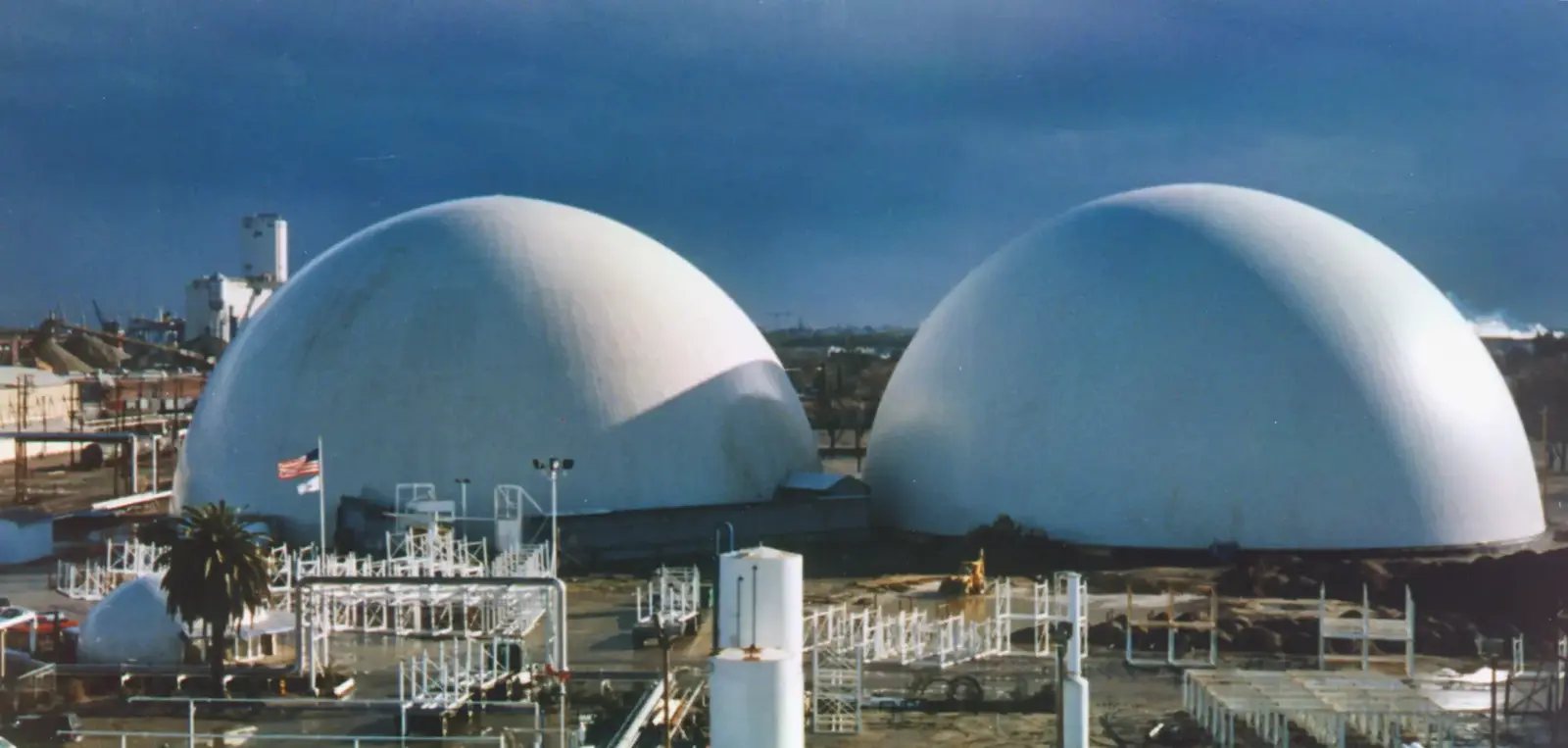
[Left] 1989: Apple and Pear Cold Storage with automated placement and retrieval featured a central cooling tower and rotating crane. Located in Stockton, California. [Right] 1989: The construction of the CALAMCO cold storage domes coincides with the decision by the South brothers to split companies. David B. and Randy move Monolithic Constructors out of Idaho, and Barry founds Dome Technology.
Monolithic / Monolithic Commons / CC BY 4.0
Dave South / Monolithic Commons / CC BY 4.0
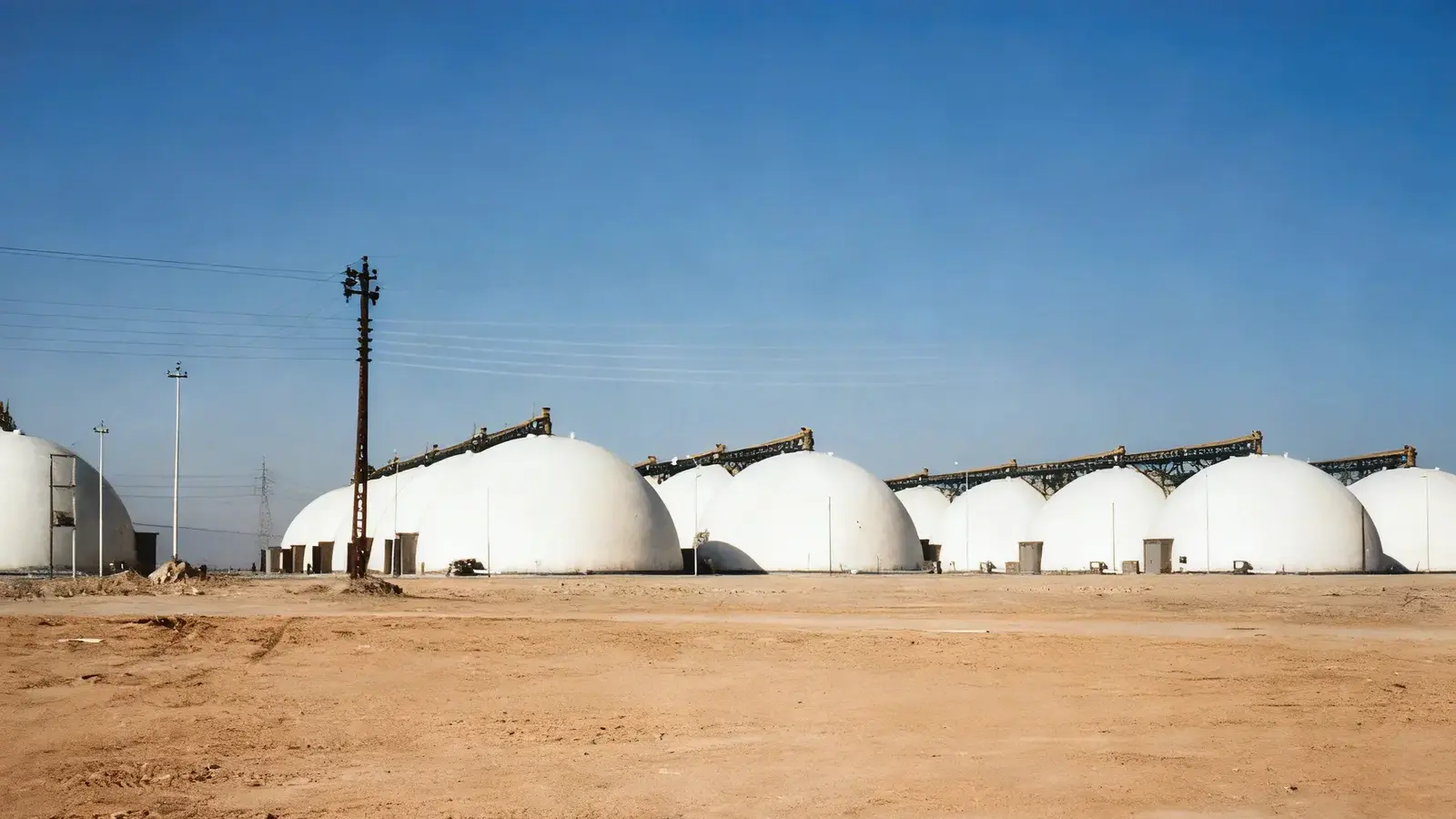
1989: The Khandhari Silo Project grain storage complex near Bagdad, Iraq, consists of 28 half-sphere Monolithic Domes, 100 feet in diameter each.
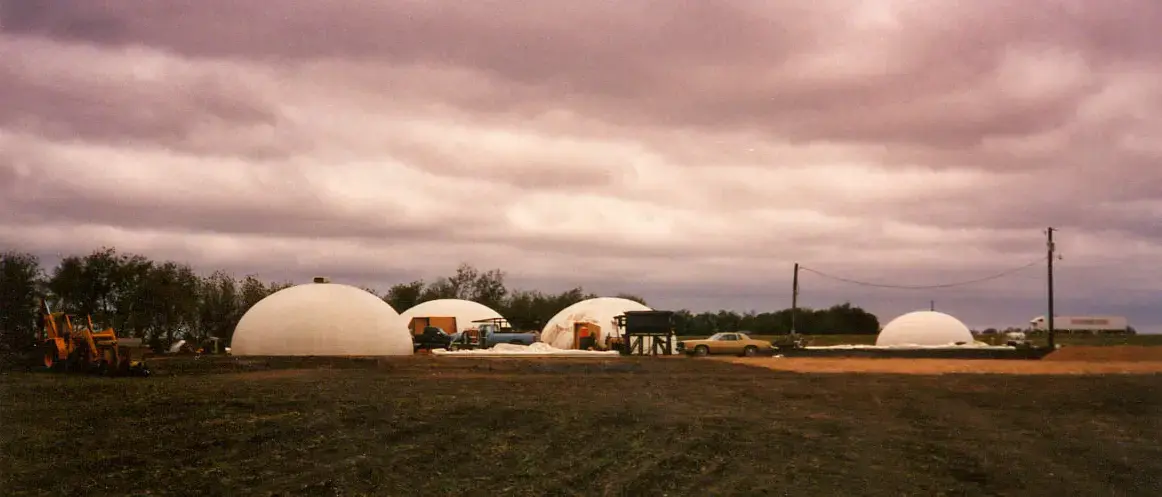
1990: David B. South purchases Precision Air Structures (PASCO) from Jack Boyt in Des Moines, Iowa and moves its operations to Texas. Don Garrison, superintendent of PASCO, moves his family to Texas with the company. To this day, no Airform or fabric structure leaves the manufacturing plant without Don’s approval.
David also rents a plane, picks out a 26-acre plot of land off I-35E between Waco and Dallas, and moves Monolithic there. When the crew arrives in Italy, Texas, they construct the office, four storage domes and a model home in just 20 days.
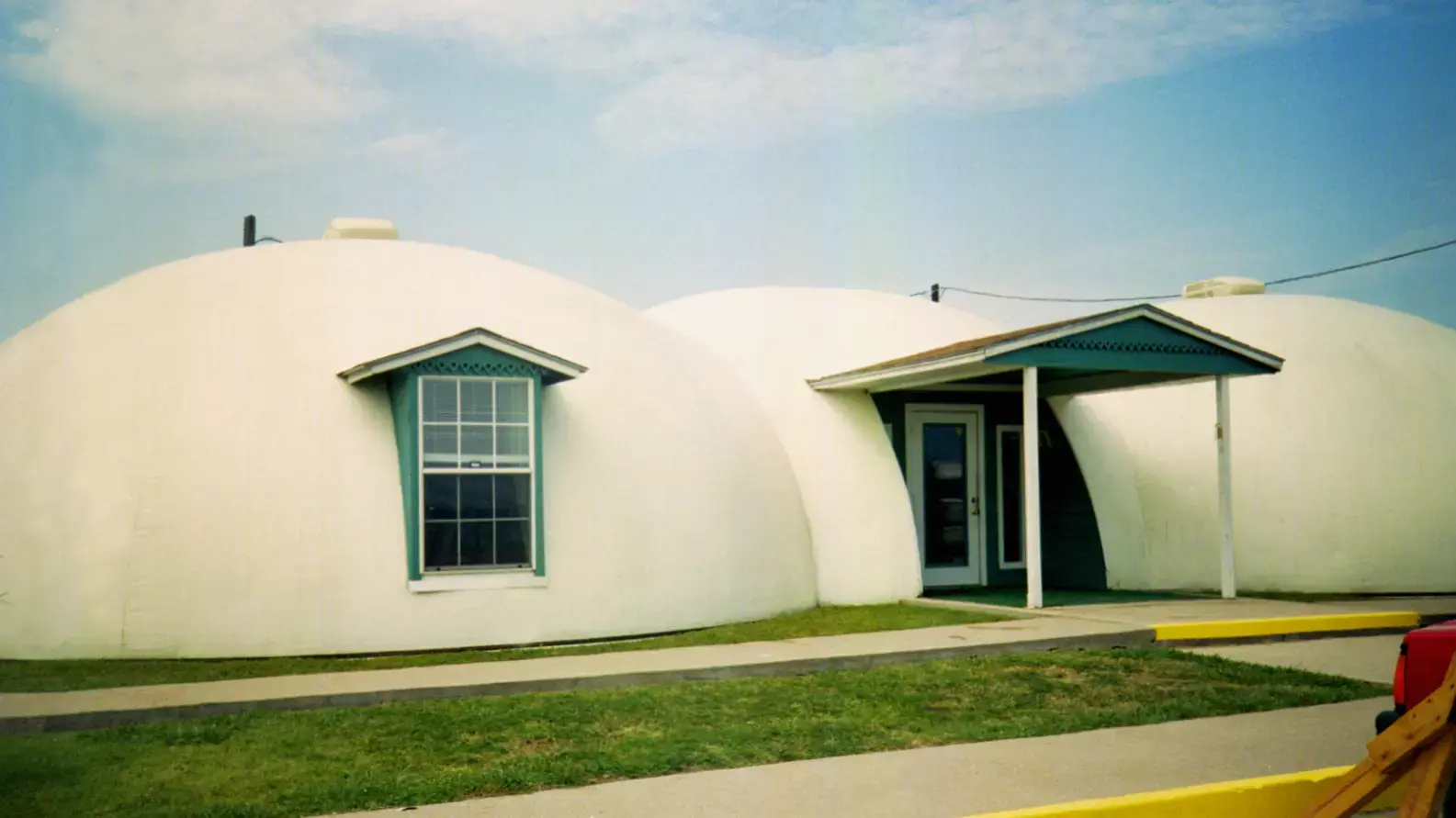
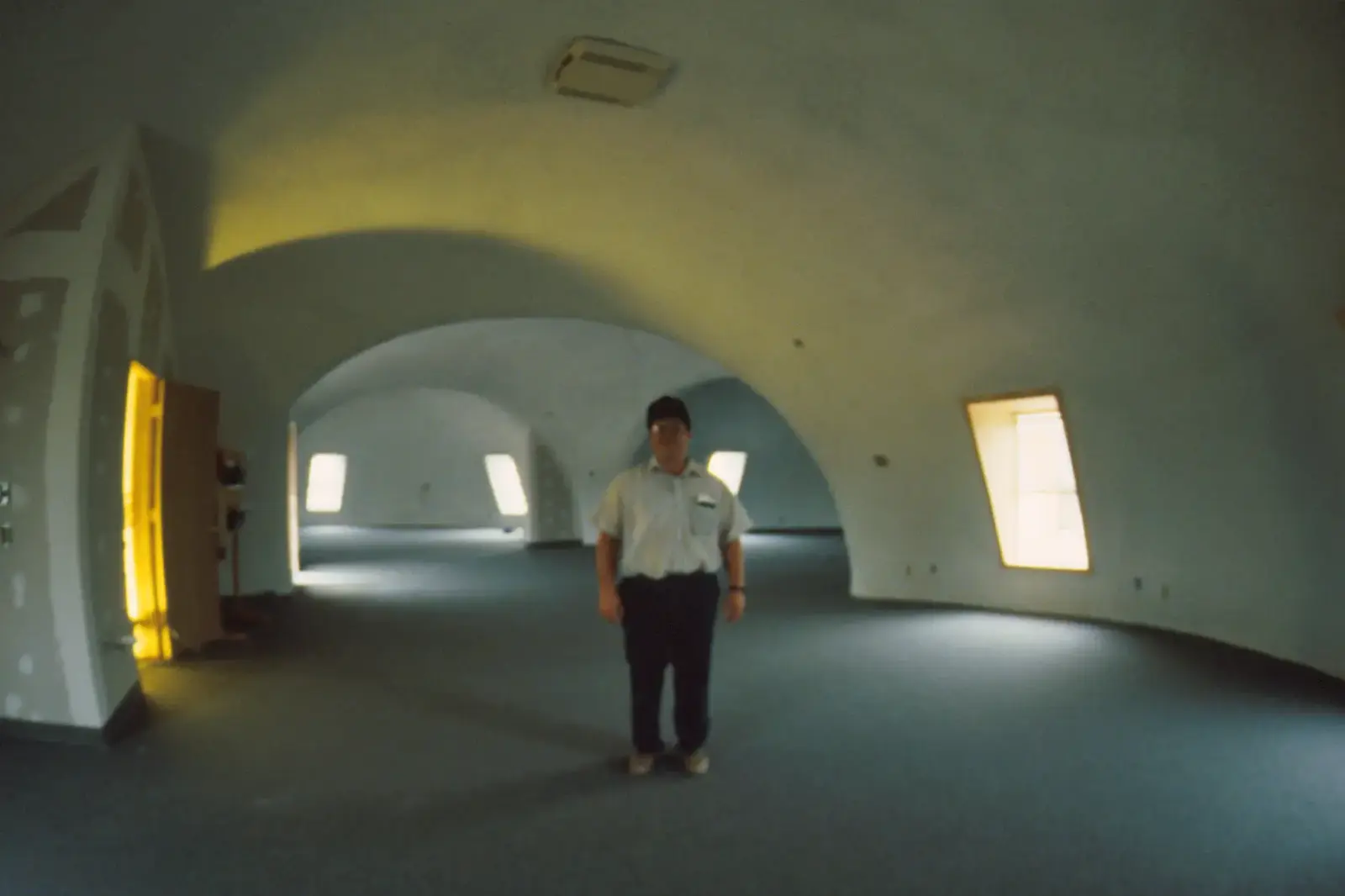
[Left] 1990: Monolithic’s new office in Italy, Texas. The structure is four interconnected 32-foot-diameter domes, each 14 feet tall. [Right] 1990: Randy South stands inside Monolithic’s new office building in Italy, Texas. Today, this dome is known as the Training Center, where classroom work for the Monolithic Dome Builders Workshops takes place.
Dave South / Monolithic Commons / CC BY 4.0
David B. South / Monolithic Commons / CC BY 4.0
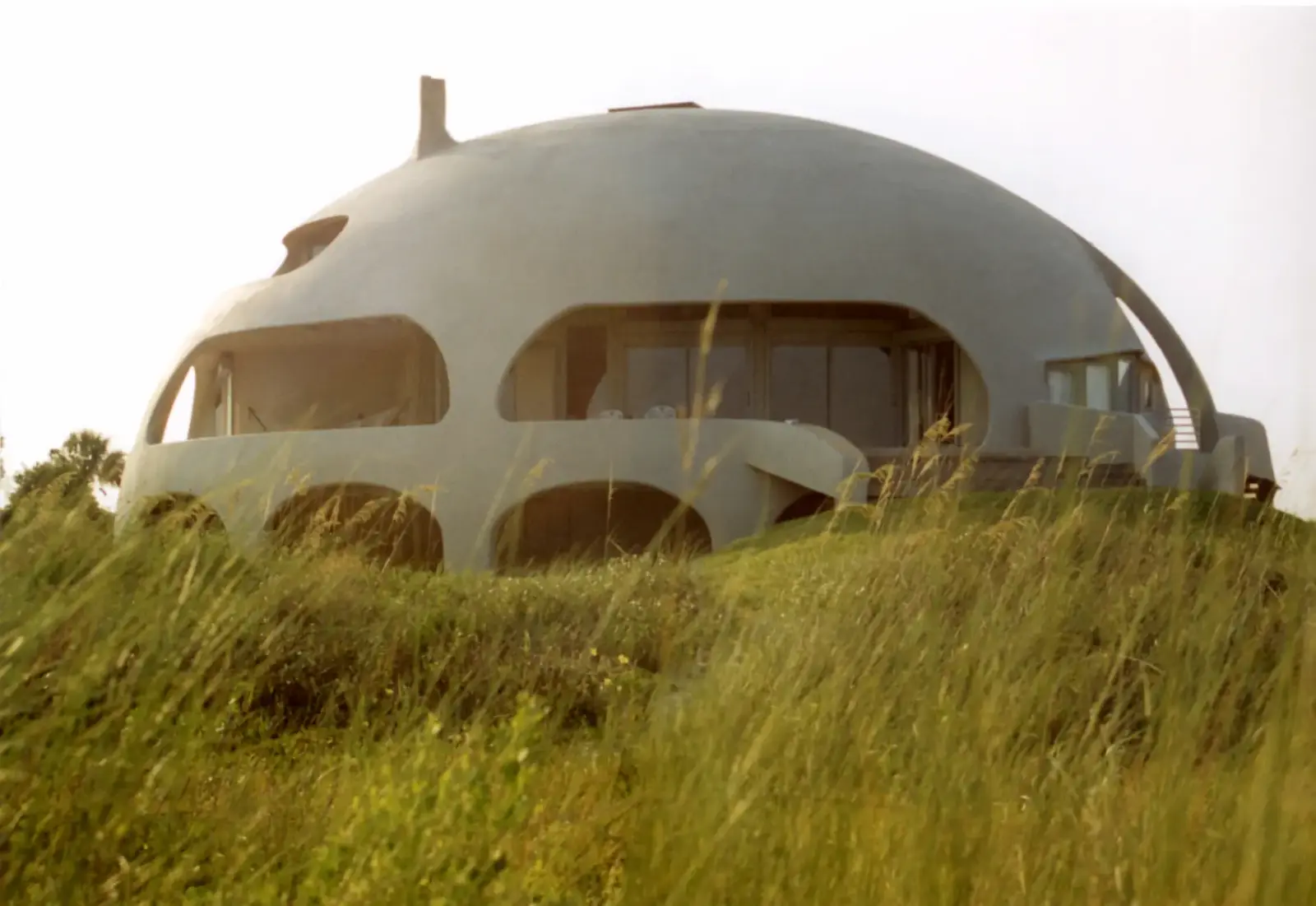
1991: The Eye of the Storm on Sullivan’s Island, NC, is constructed with the first-ever prolate elipsoid Airform. The Airform was patterned by Dave South, VP of Monolithic, and was the first to be designed using a CAD system.
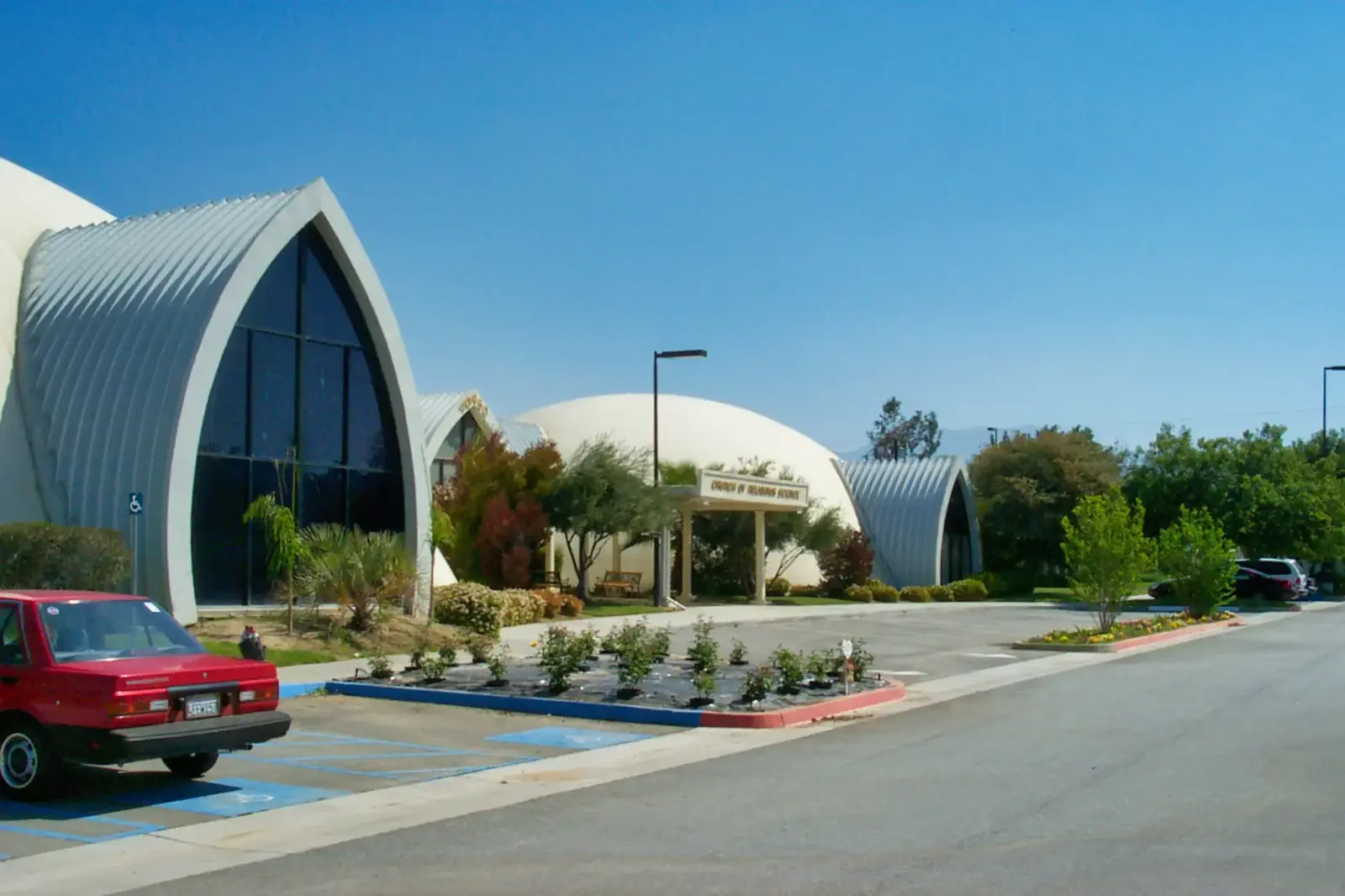
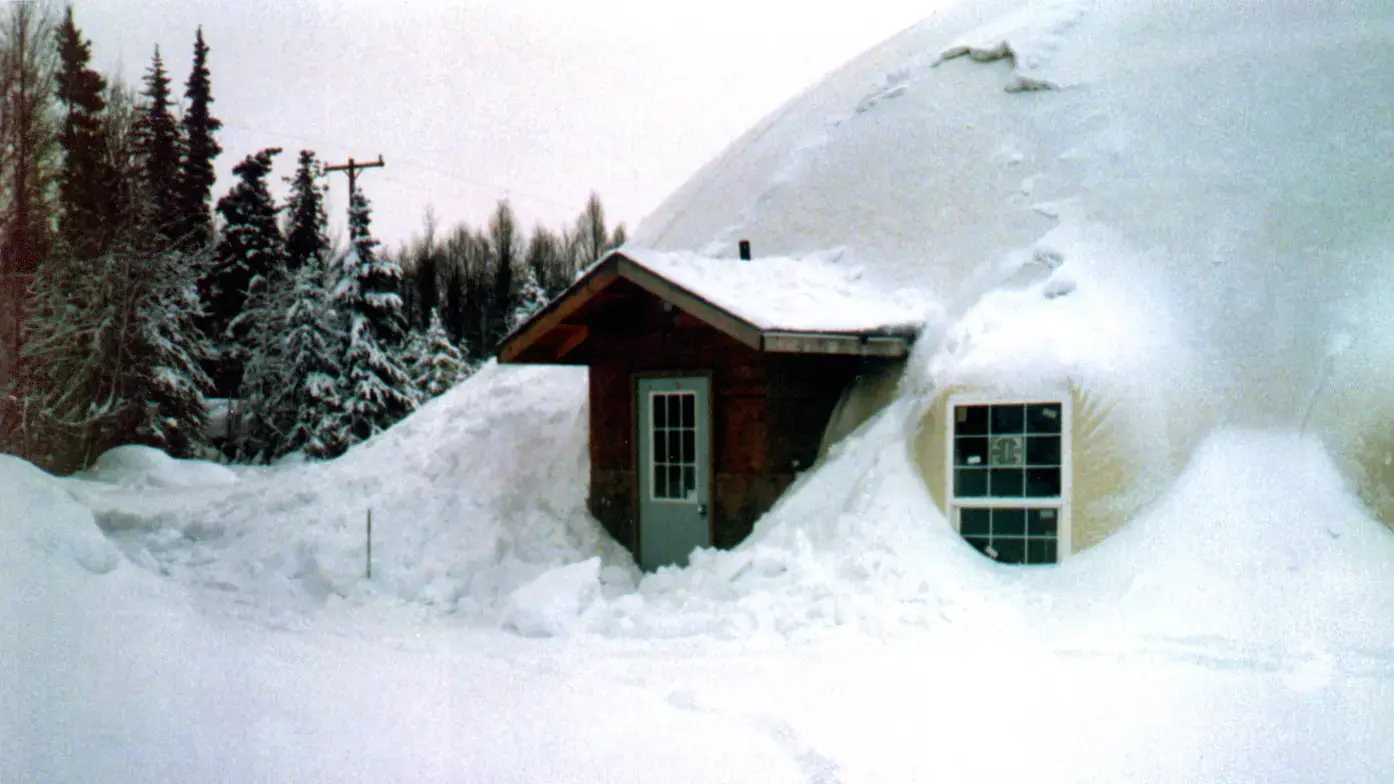
[Left] 1990: The First Church of Religious Science in Hemet, California, has two Monolithic Domes. One dome is a 100-foot-diameter sanctuary; the other is an 80-foot-diameter social hall. [Right] 1991: Trinity Christian Church in Soldotna, Alaska, is built by one of the first people to order a “Training Pak.” The Training Pak was a series of VHS tapes and documents created by Monolithic to share the construction technology with a wider audience.
David Collins / Monolithic Commons / CC BY 4.0
Ray Ansel / Monolithic Commons / CC BY 4.0
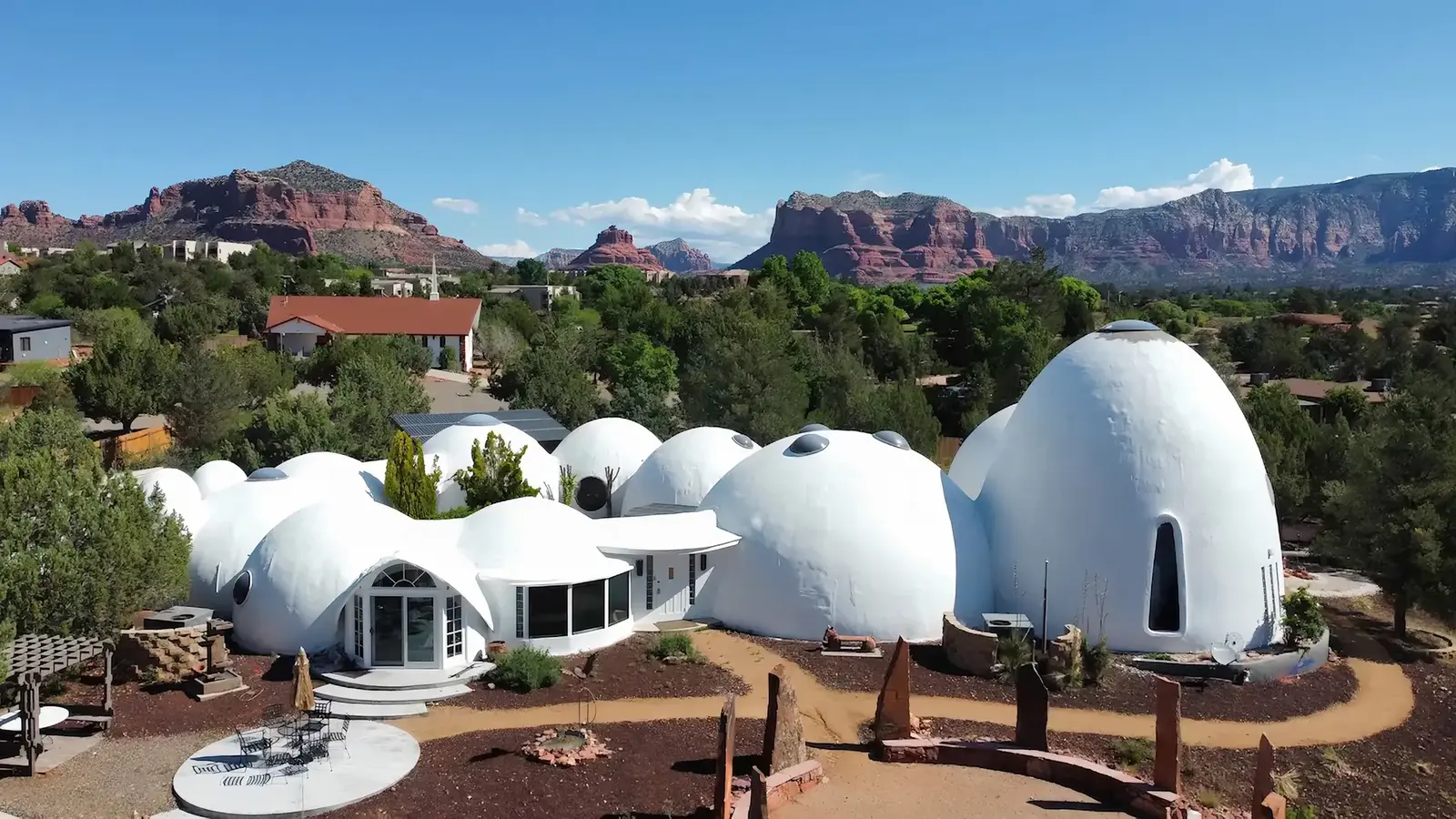
1993: Dave South designs the layout and Airforms for the groundbreaking Monolithic Dome home, Xanadu. Monolithic sent a small crew to help brothers, Ken and Dale Johnson, with construction. The famous residence is now available to rent on Airbnb.
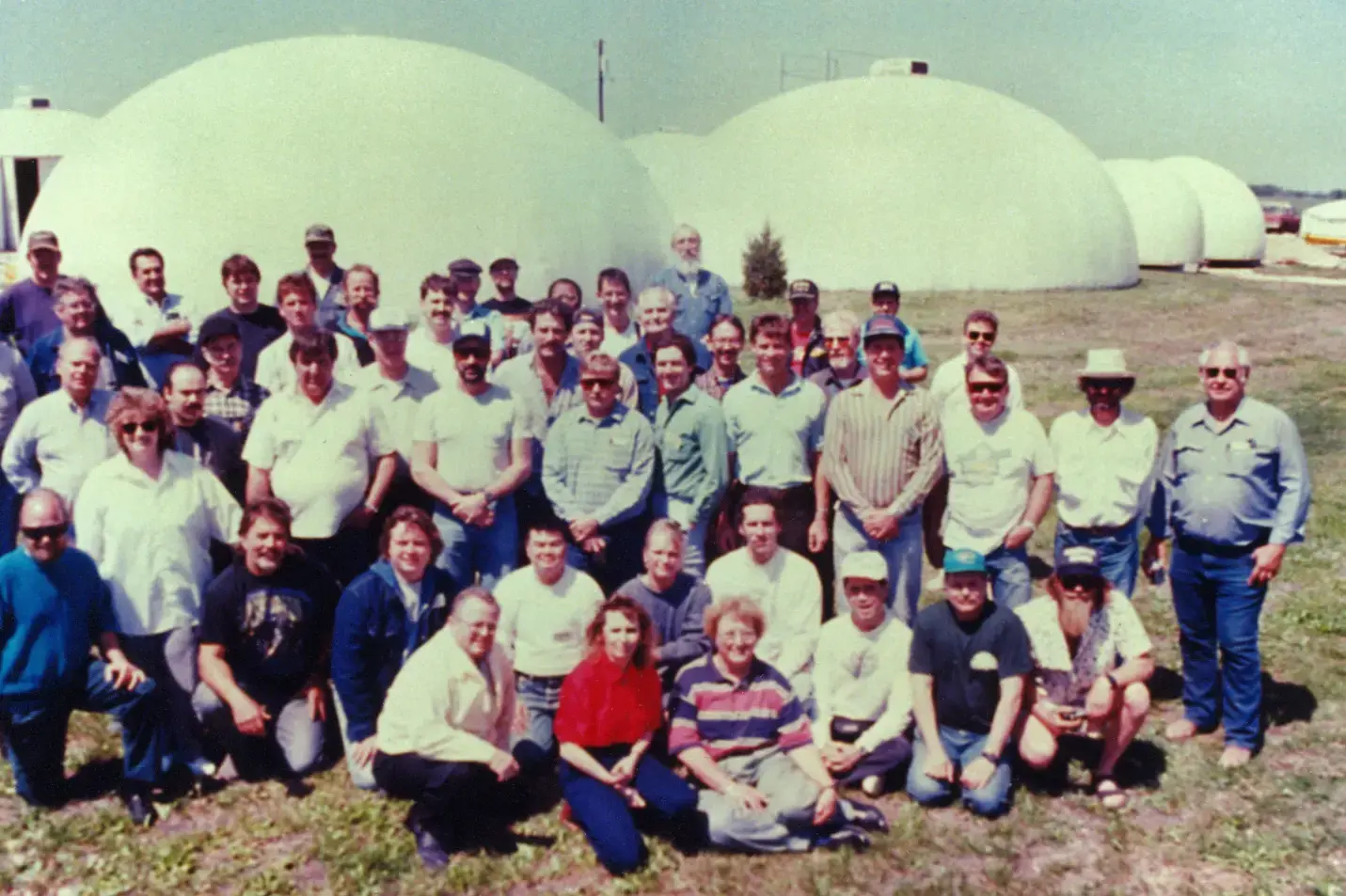
1994: The graduating class of the first Monolithic Dome Builders Workshop poses with the staff at Monolithic.
David B. South’s contemporaries felt that his idea of hosting workshops to teach others how to build Monolithic Domes would never work, and if it did, it would be a good way to train competitors who might put Monolithic out of business.
South believed the technology should be shared freely and that there would always be more domes to build than builders ready to build them.
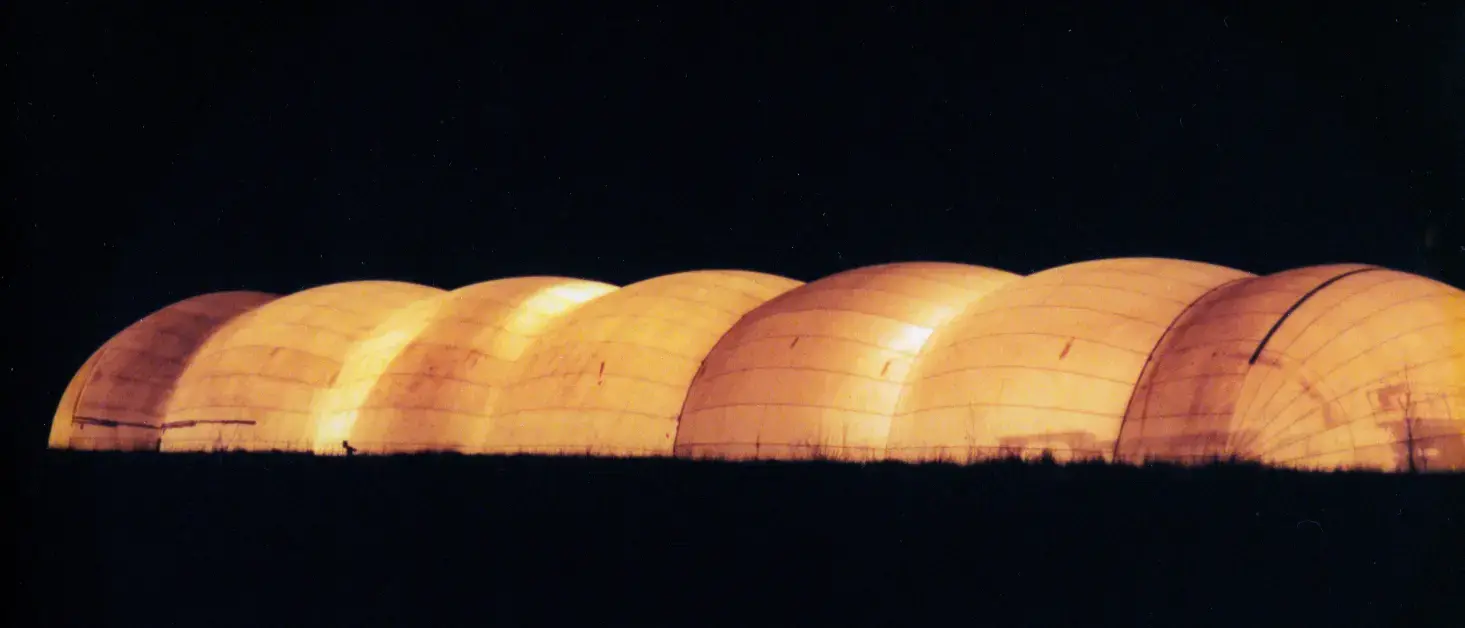
1994: Bruco, the Famous Texan-Italian Caterpillar is inflated at Monolithic’s headquarters in Italy, Texas. Prior to the construction of the caterpillar, Monolithic’s Airform Manufacturing plant was located in Hillsboro, Texas, in a rented warehouse.
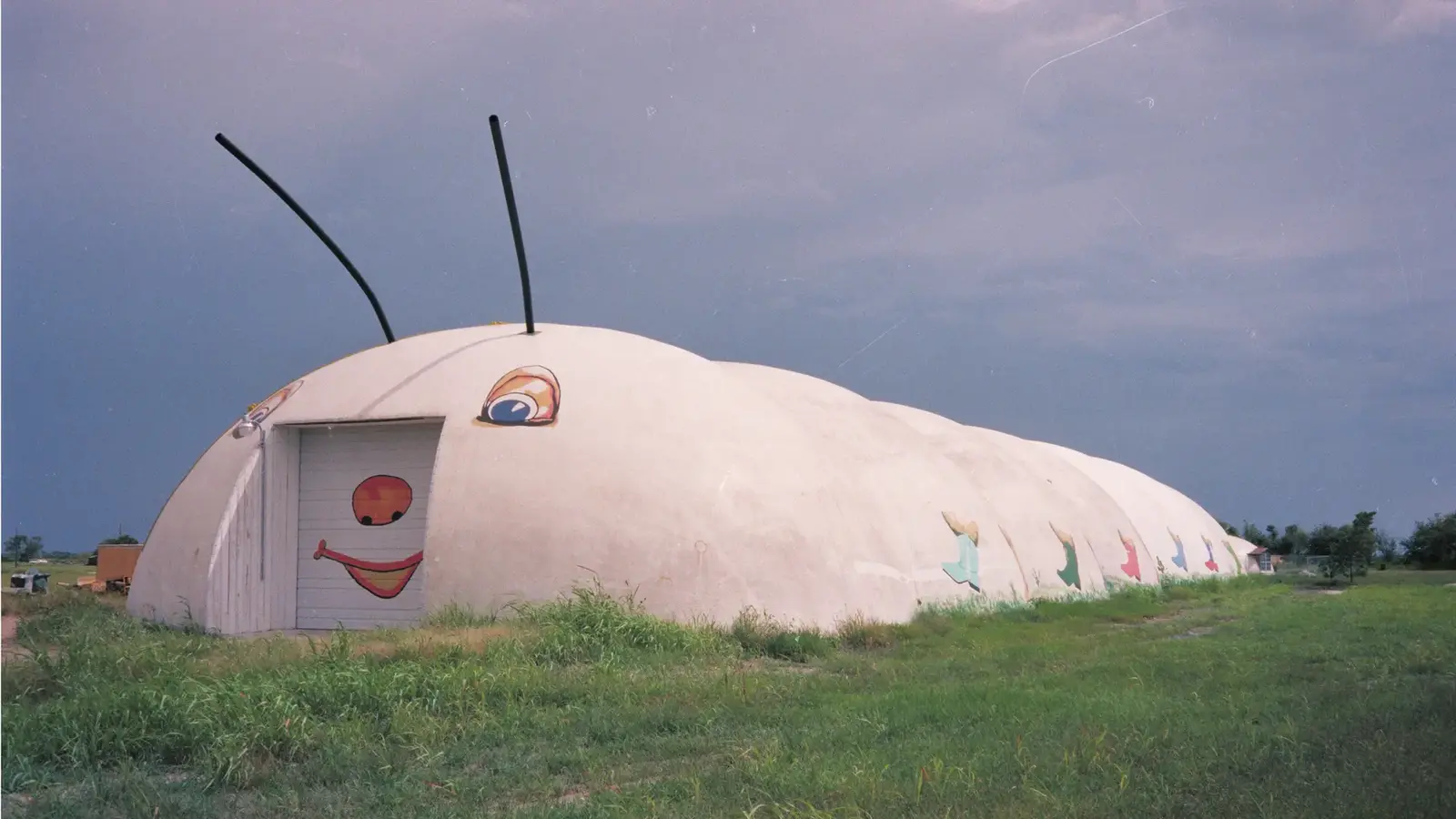
1995: Despite his family’s misgivings, David B. South insisted that the caterpillar-shaped Airform manufacturing plant should be given eyes and a smile and multicolored cowboy boots. The Caterpillar was a hit and soon became a well-known Texas landmark.
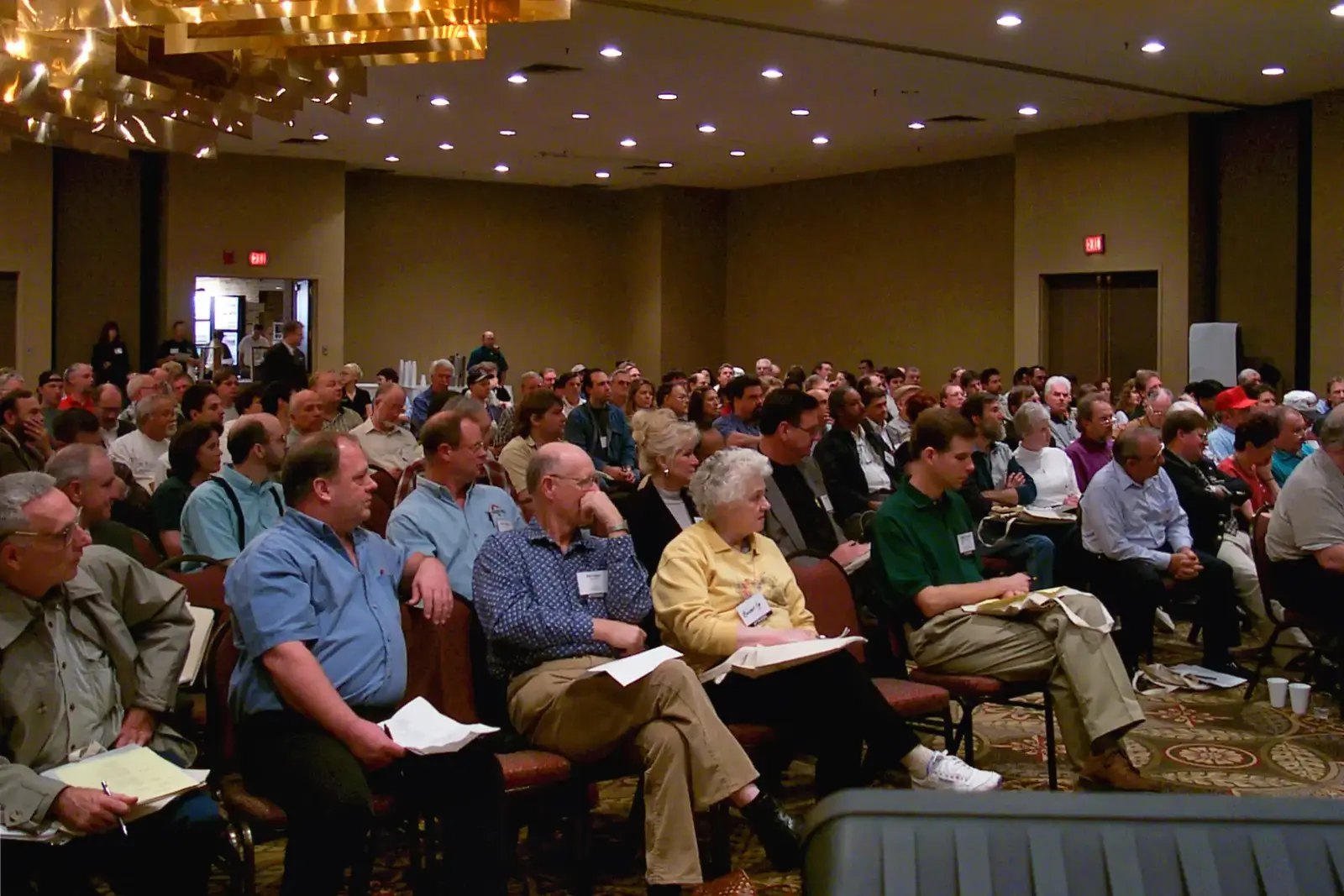
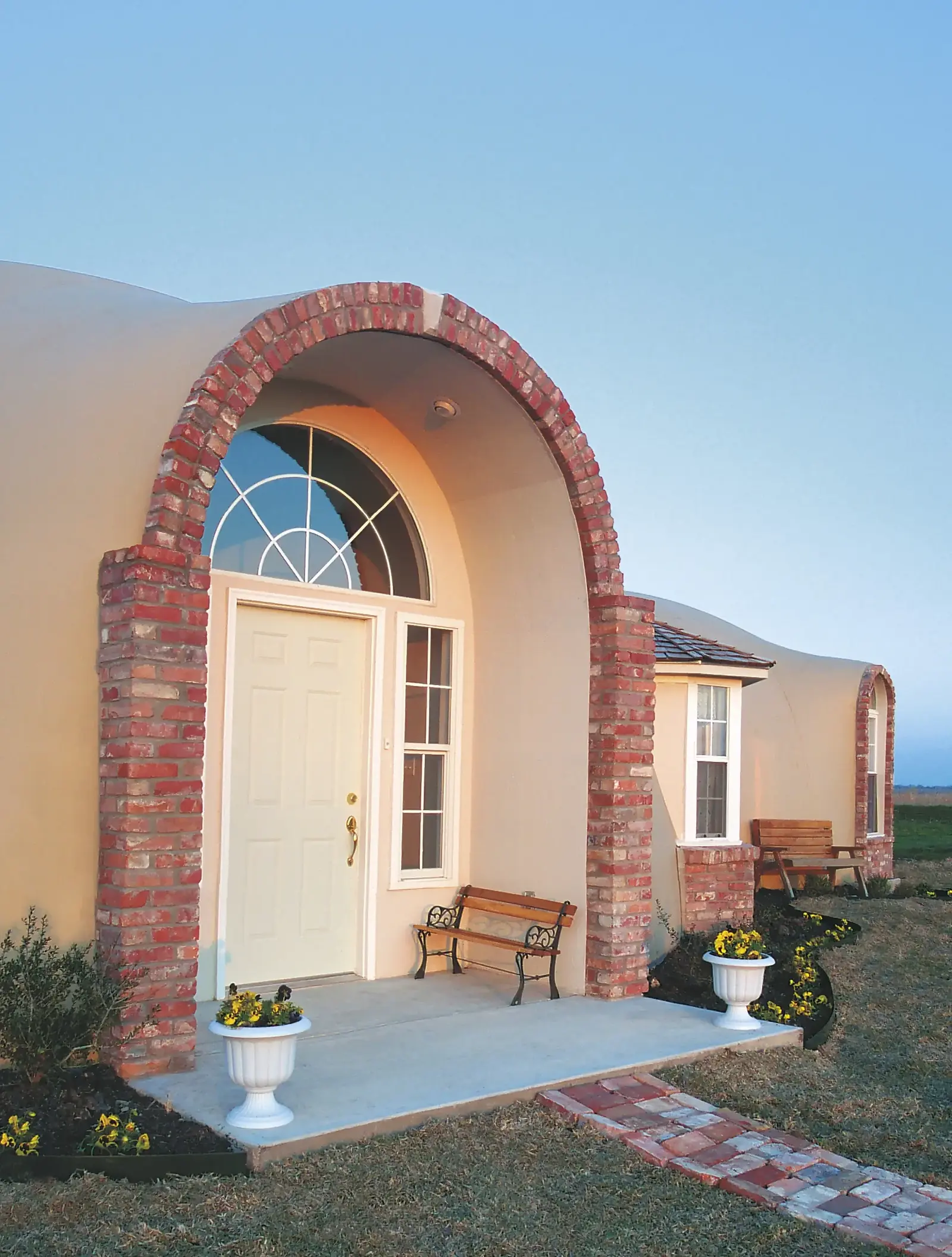
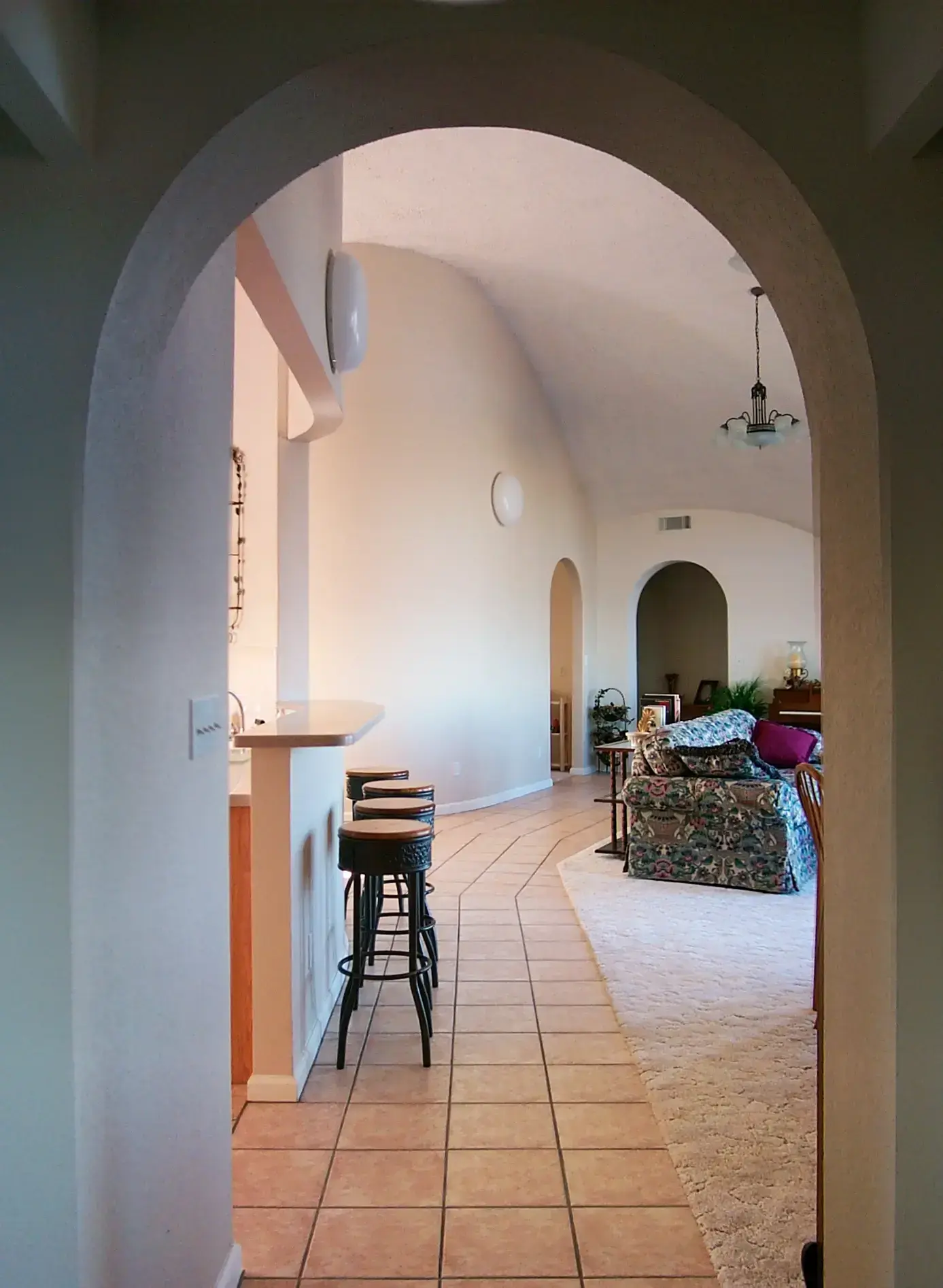
[Left] 1995: The first Monolithic Dome Conference is held in Dallas, Texas. [Center] 1995: Monolithic Dome Designer, Larry Byrne and his family build their home in Italy, Texas. [Right] 1995: The 2,660 square foot home includes three interconnected domes, a 30′, 40′ and a 32′. The 32′ dome features a master bedroom, bath and study. The 30′ dome includes a guest bedroom, bath, laundry and lots of storage. The living room, kitchen, TV room and entryway are in the central 40′ dome.
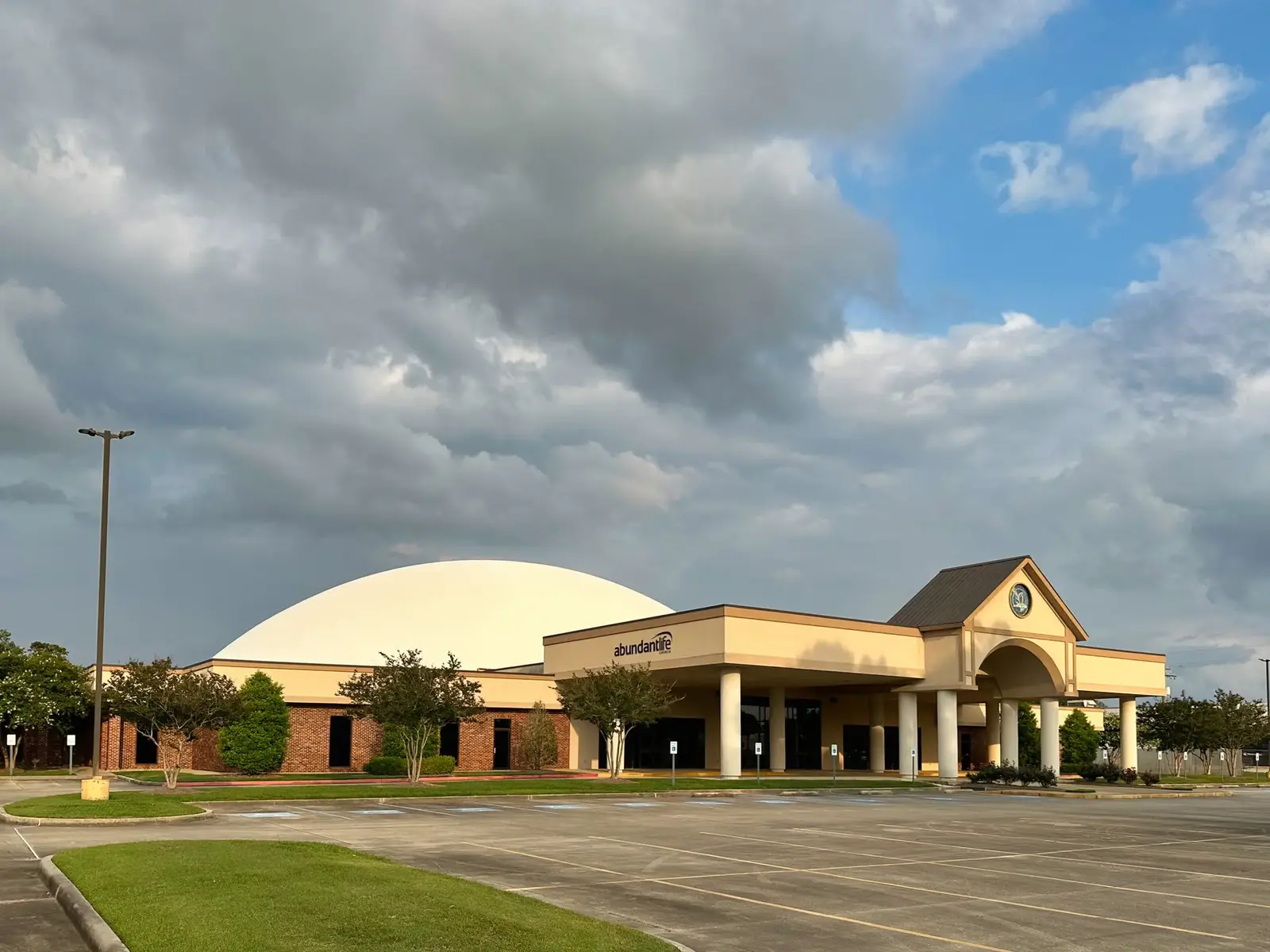
1995: The Abundant Life Church is 190 feet in diameter with a 3,000-seat sanctuary. The dome’s construction cost was $4 million.
[Melinda South](/melinda-south] / Monolithic Commons / CC BY-SA 4.0
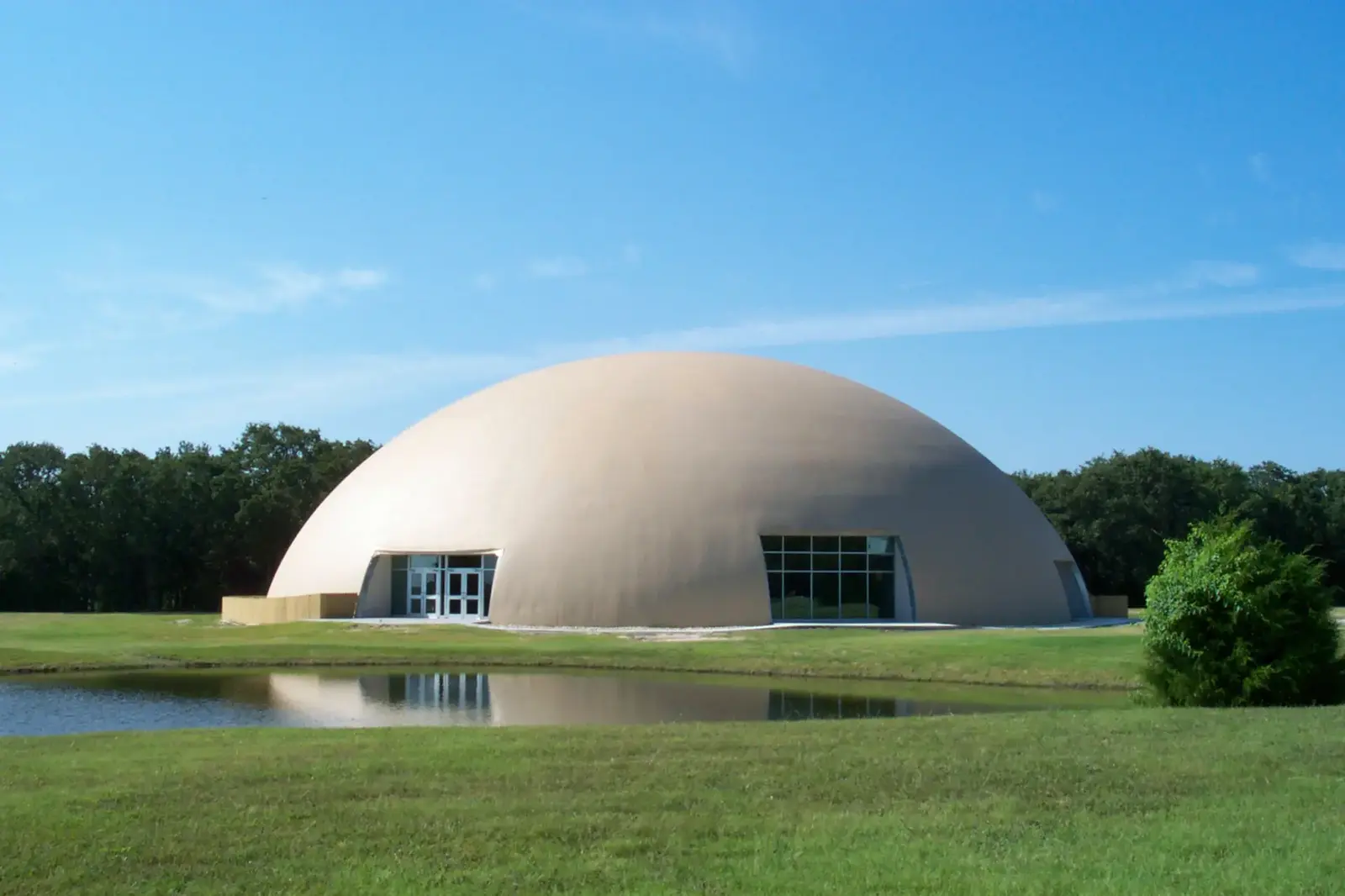
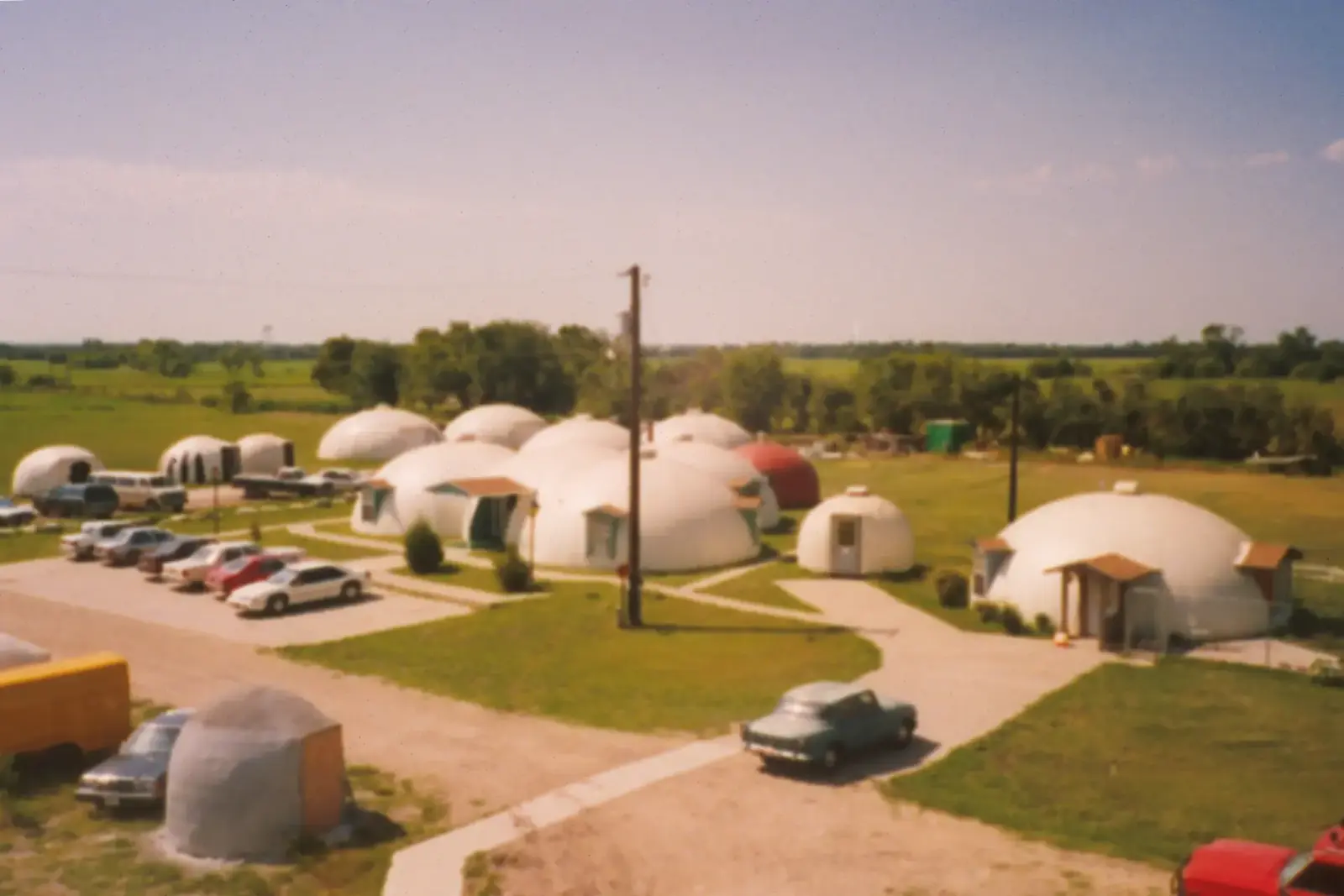
[Left] 1995: Gymnasium in Dresden, Texas, is 143 feet in diameter and 45 feet tall. There are 15,273 square feet on the main floor and 1,089 square feet on the mezzanine. [Right] 1995: The Monolithic Dome Institute is founded, and the campus in Texas continues to grow. This photo was taken from atop the caterpillar.
Dave South / Monolithic Commons / CC BY 4.0
Rebecca South / Monolithic Commons / CC BY 4.0
1996-2005
Between 1996 to 2005, David B. South is singularly motivated to educate the world about Monolithic Domes. Every year, Monolithic hosts three-day Monolithic Dome Conferences and hundreds of professionals, dome owners, and enthusiasts attend. During the conferences, David consults with his brothers, Dr. Wilson, Rick Crandall, Larry Byrne, Gary Clark and Jack Boyt, collectively guiding the industry’s trajectory. Monolithic Dome Builders Workshops are held up to six times a year, with David, Randy, Larry, and Gary running the show. David’s kids get more involved. Dave continues to transform the patterning of Airforms in consultation with Jack, Larry, and David. He also handles all the IT for Monolithic (a job he’s had since turning 14): Mike is put to work in the field, building domes; Nanette becomes a finite element engineer; Melinda tracks every dome and every customer, while Rebecca helps Dave with the company newsletter, The Monolithic Dome Roundup. In 1996, Dave launches the first company website. In 1998, The Monolithic Dome Roundup becomes a full-color magazine, edited and published by Dave. By 2000, he re-enlists Rebecca to help meet growing demands.These years are punctuated by the success of workshop attendees who go on to build domes for themselves and others, and by repeated examples of Monolithic Domes withstanding hurricanes, tornadoes, and fires. During this time, David cements a relationship with FEMA, the Federal Emergency Management Agency, leading to funding for Monolithic Dome-based community shelters, schools, and sports facilities. Meanwhile, Randy and his family return to Idaho and establish South Industries.
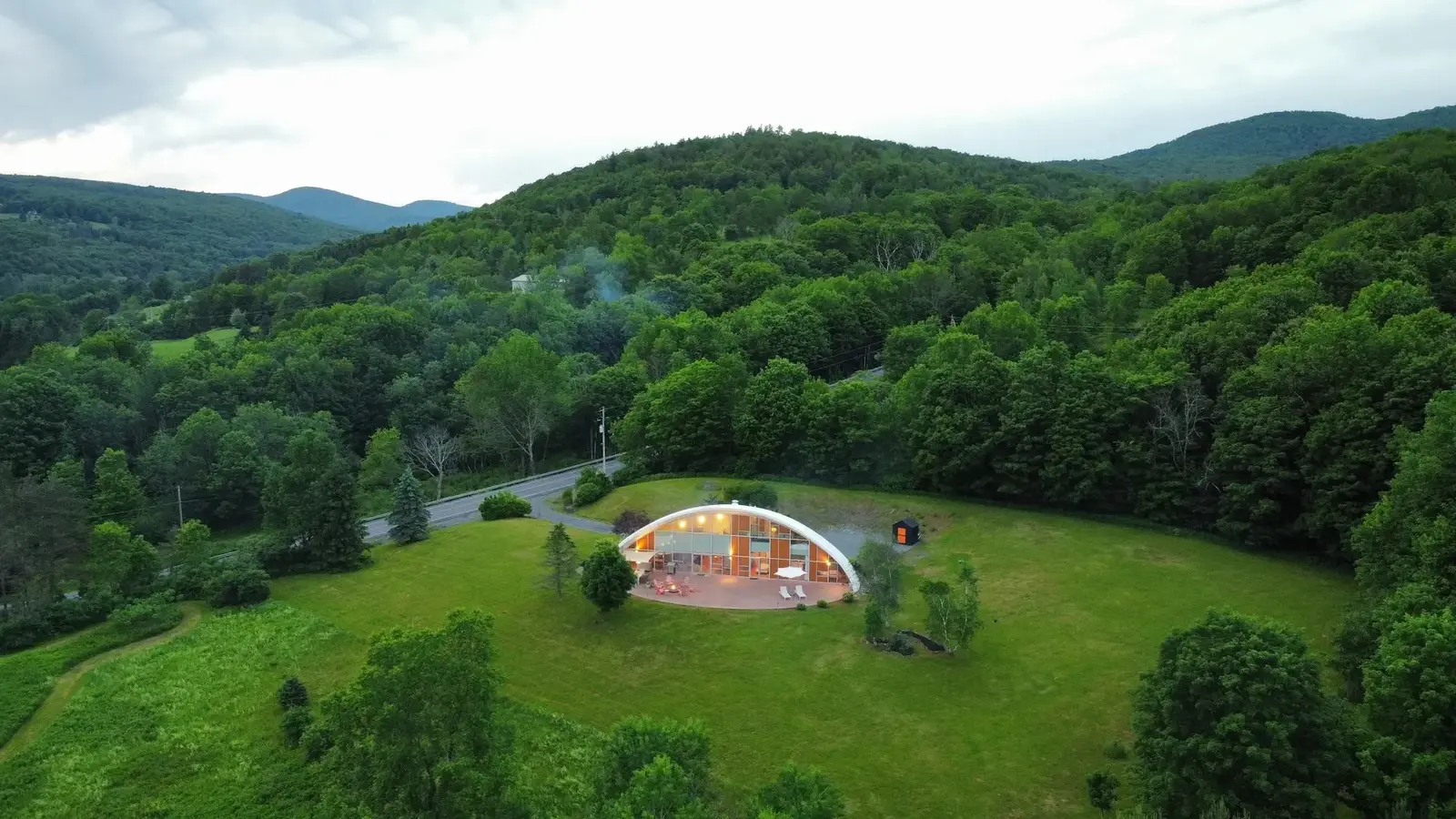
1996: The Airform for Shell House is shipped to New York from the research park in Italy, Texas. This stunning Monolithic Dome home is now available to rent on on Airbnb.com.
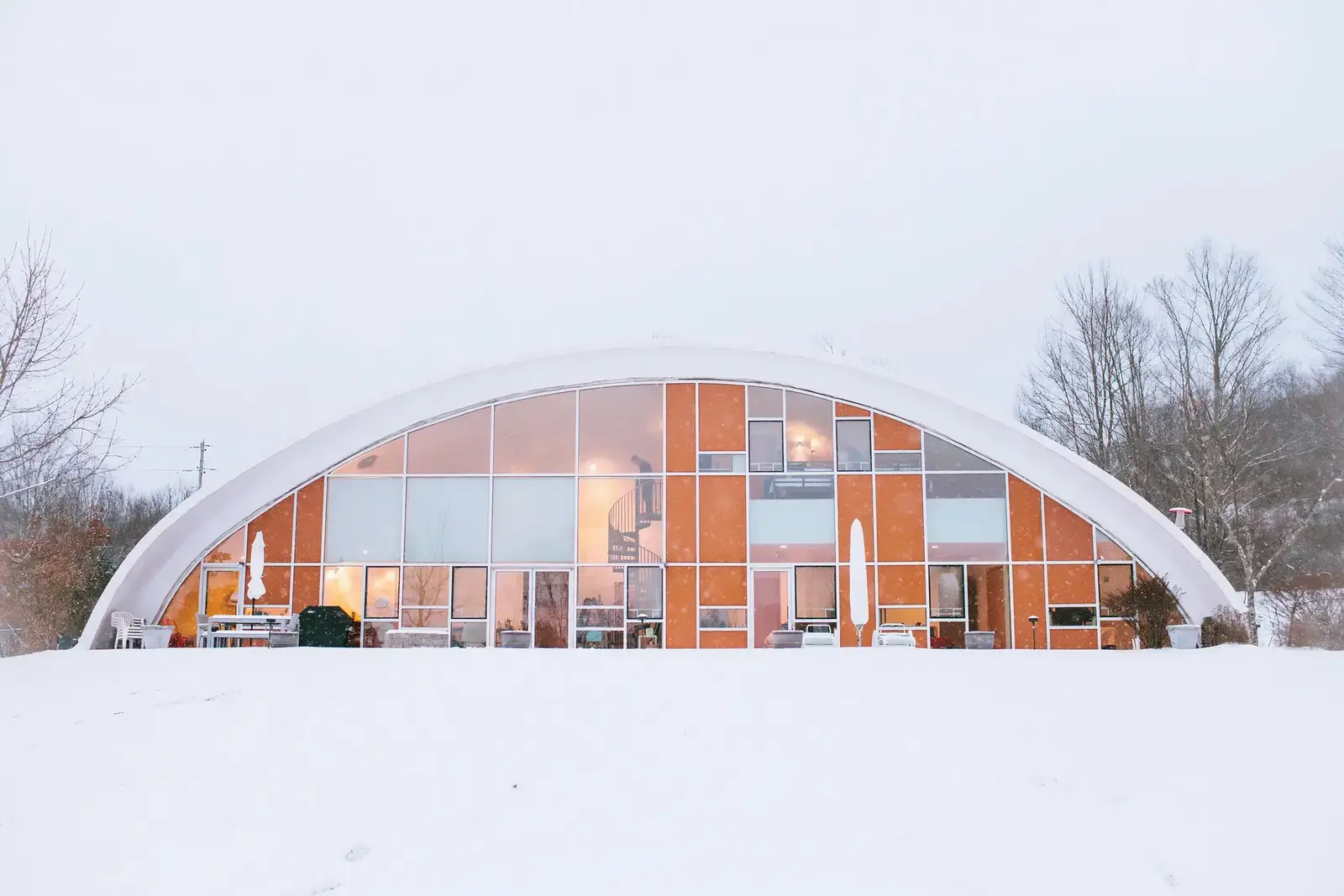
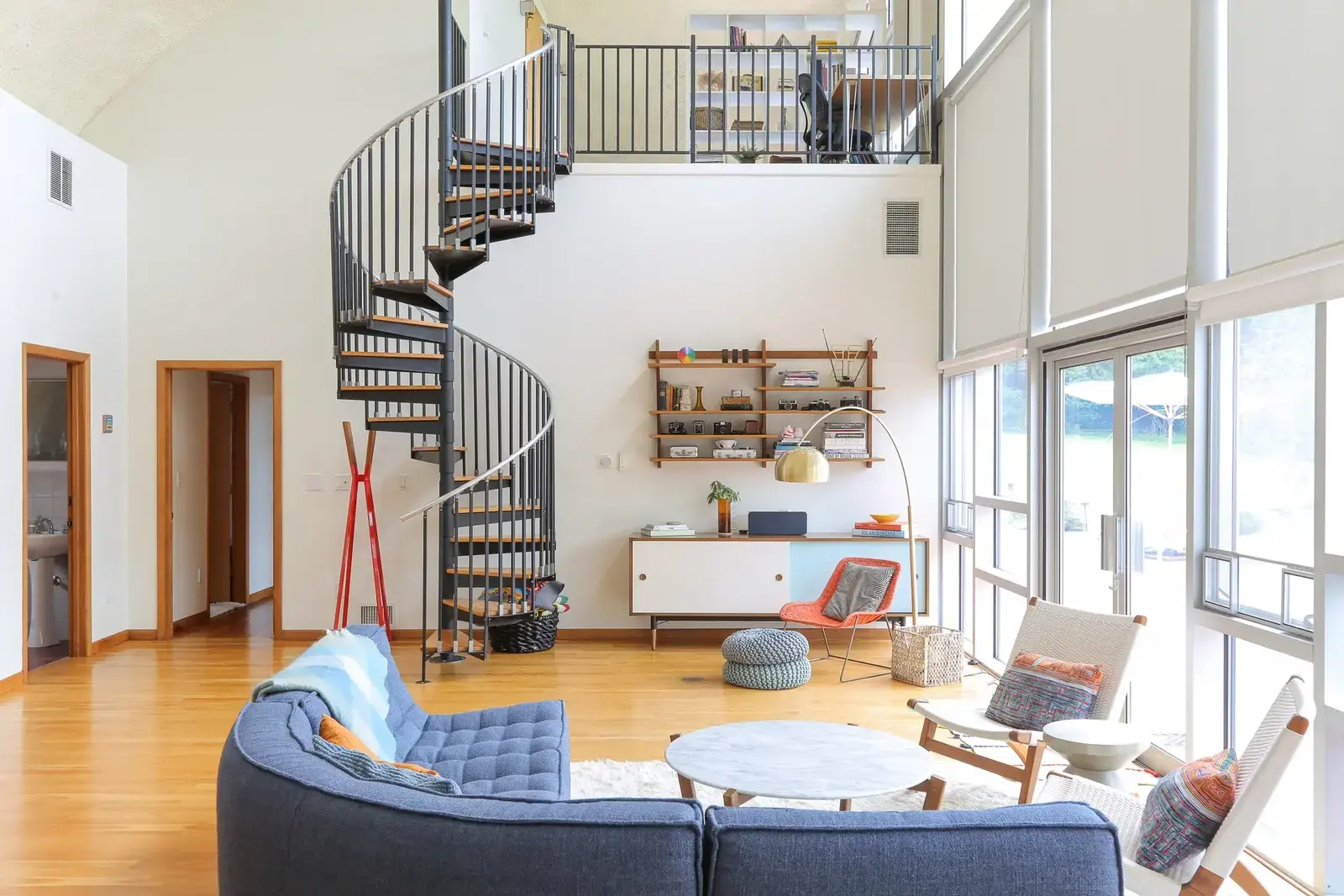
[Left] 1996: Winter at the The Shell House. Monolithic provided construction support and the half-ellipsoid Airform for this 2400-square-foot home. [Right] 1996: The Shell House is a shining example of how air-formed concrete shells can be leveraged to create celebrated architecture. Monolithic is seeing an increasing number of new architects signalling their interest in pushing the boundaries of thin-shell construction using proven Monolithic Dome technology.
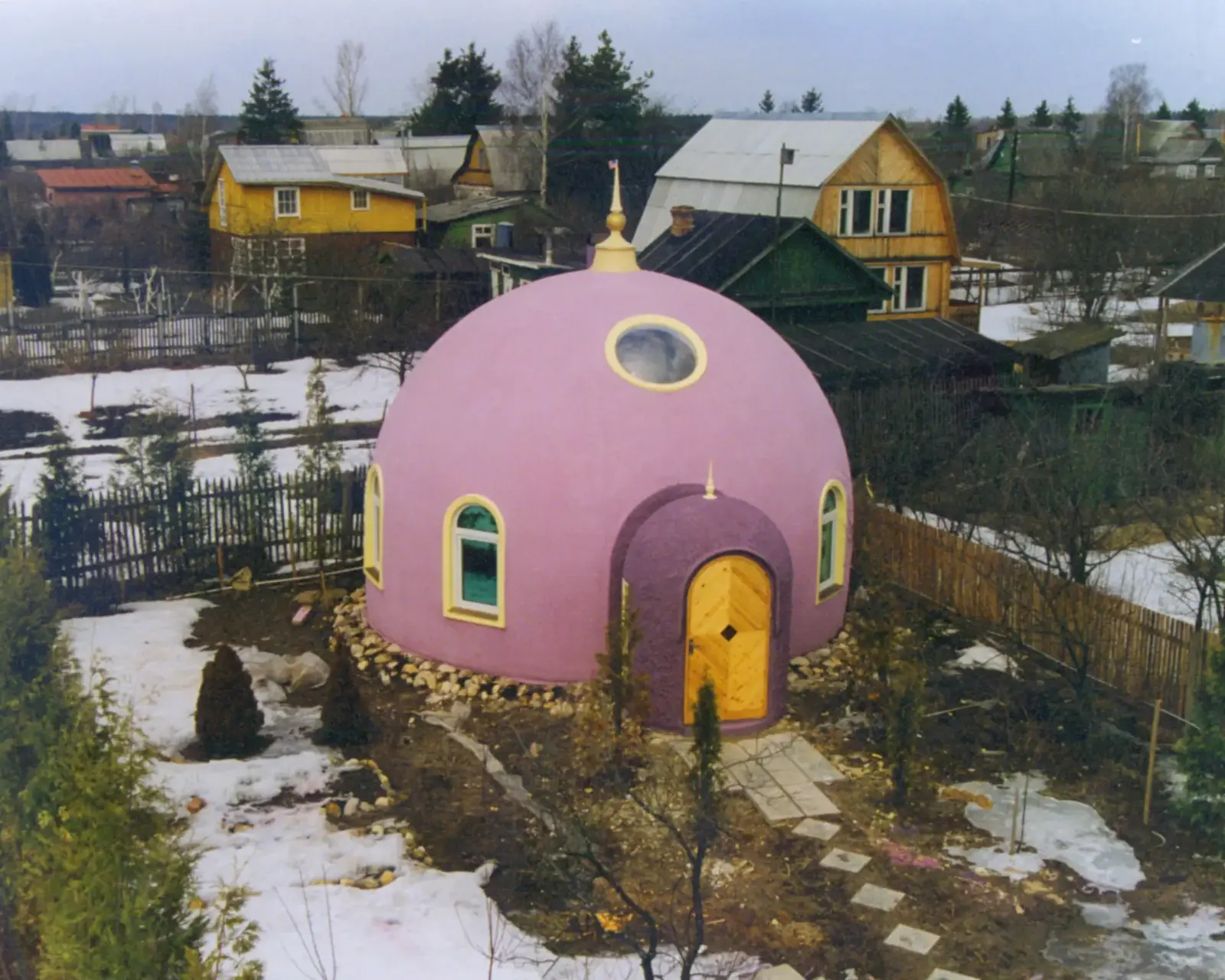
1997: Moscow, Russia. This 1,500-square-foot Monolithic Dome home was built by Sviet Raikov, a graduate of the June 1994 Monolithic Dome Builders Workshop. The home is 36 feet in diameter with two floors.
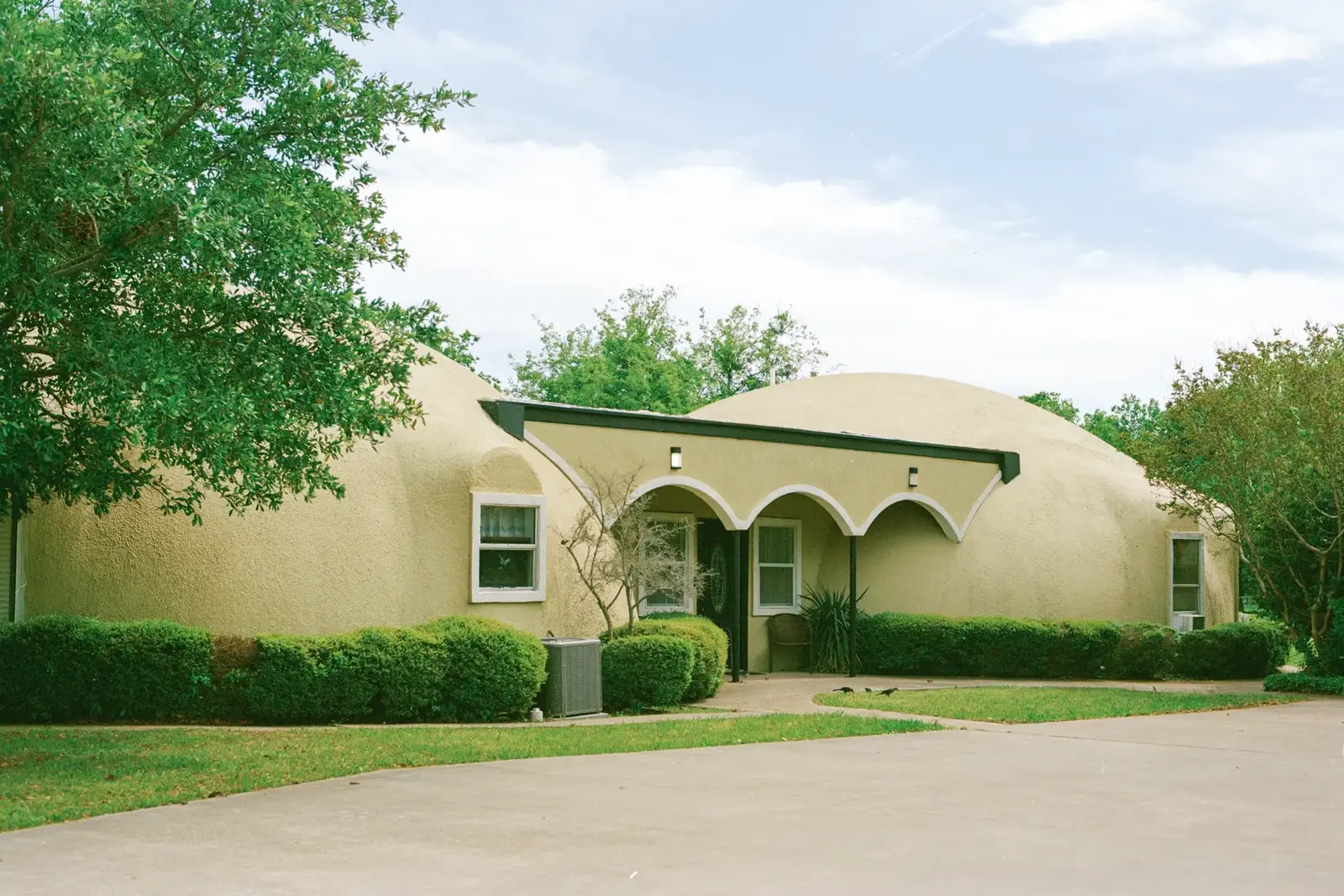
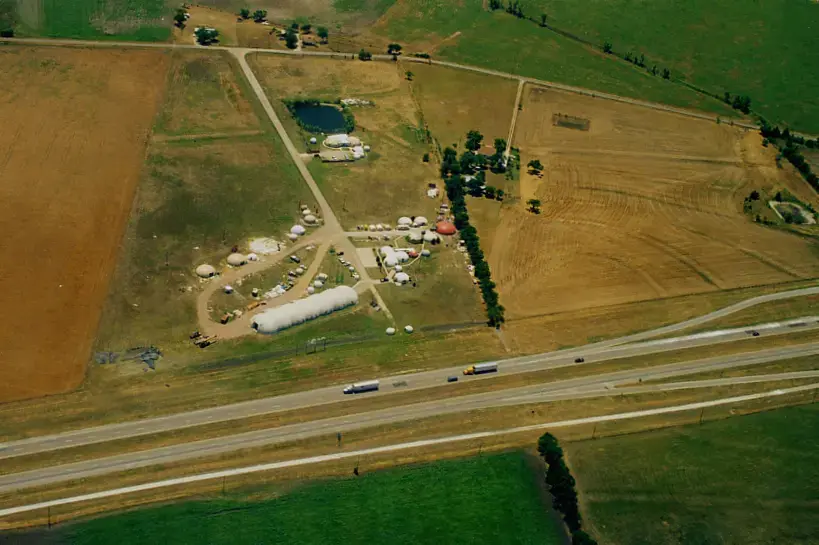
[Left] 1997: Charca Casa, the last home of Judy and David B. South, is built. Judy gave tours of her dome home in Idaho to over 1,000 people. During the 22 years she and David lived at Charca Casa in Texas, her home remained open for tours by anyone visiting the Monolithic Dome Research Park. [Right] 1997: The Monolithic Dome Institute’s Research Park is growing. Note: I-35E is still only two lanes going both directions, and you can see Charca Casa, next to the pond.
Amy South / Monolithic Commons / CC BY 4.0
Monolithic / Monolithic Commons / CC BY 4.0
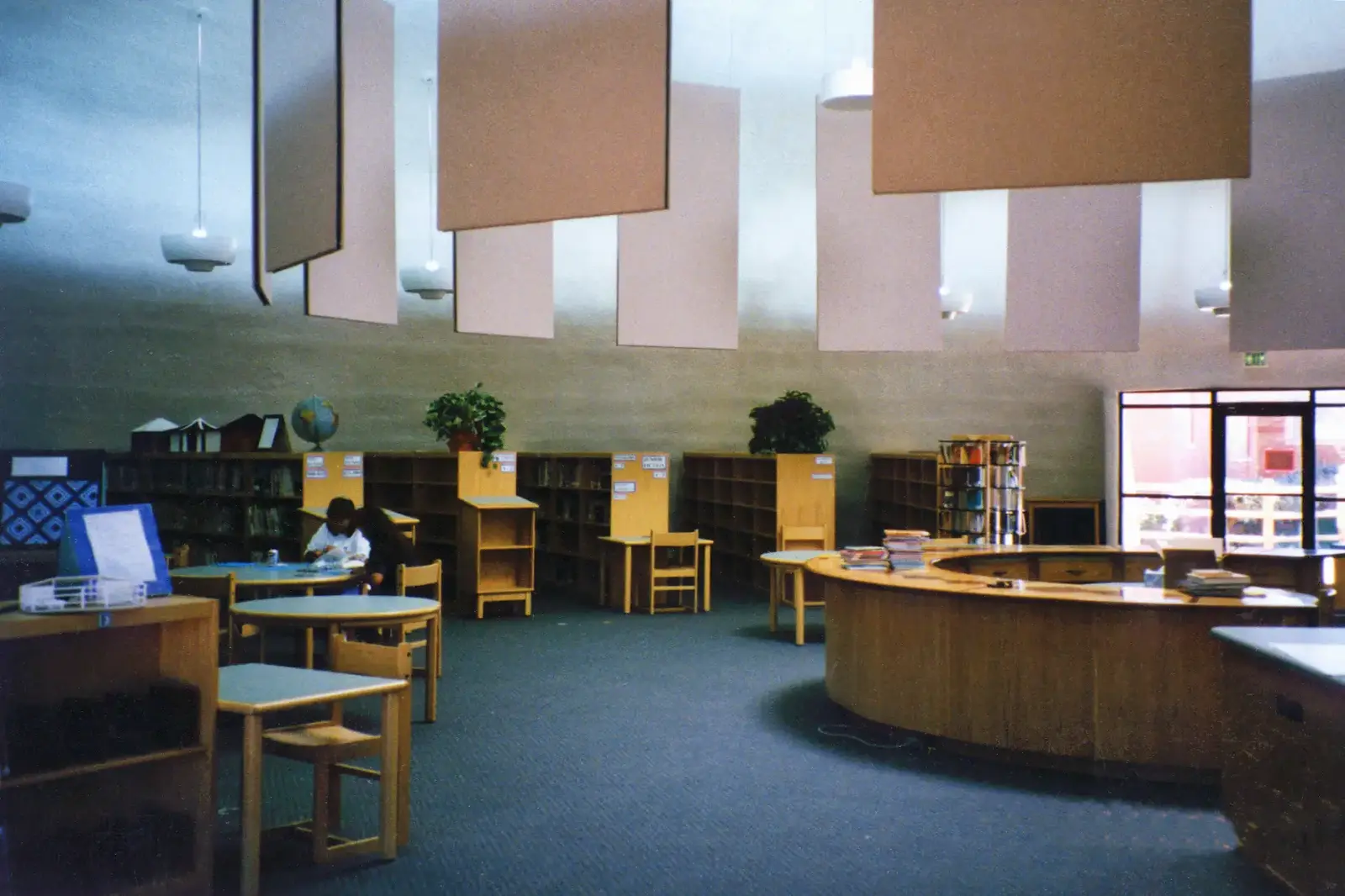
1998: Leupp Library near Winslow, Arizona, for the Navajo Nation.
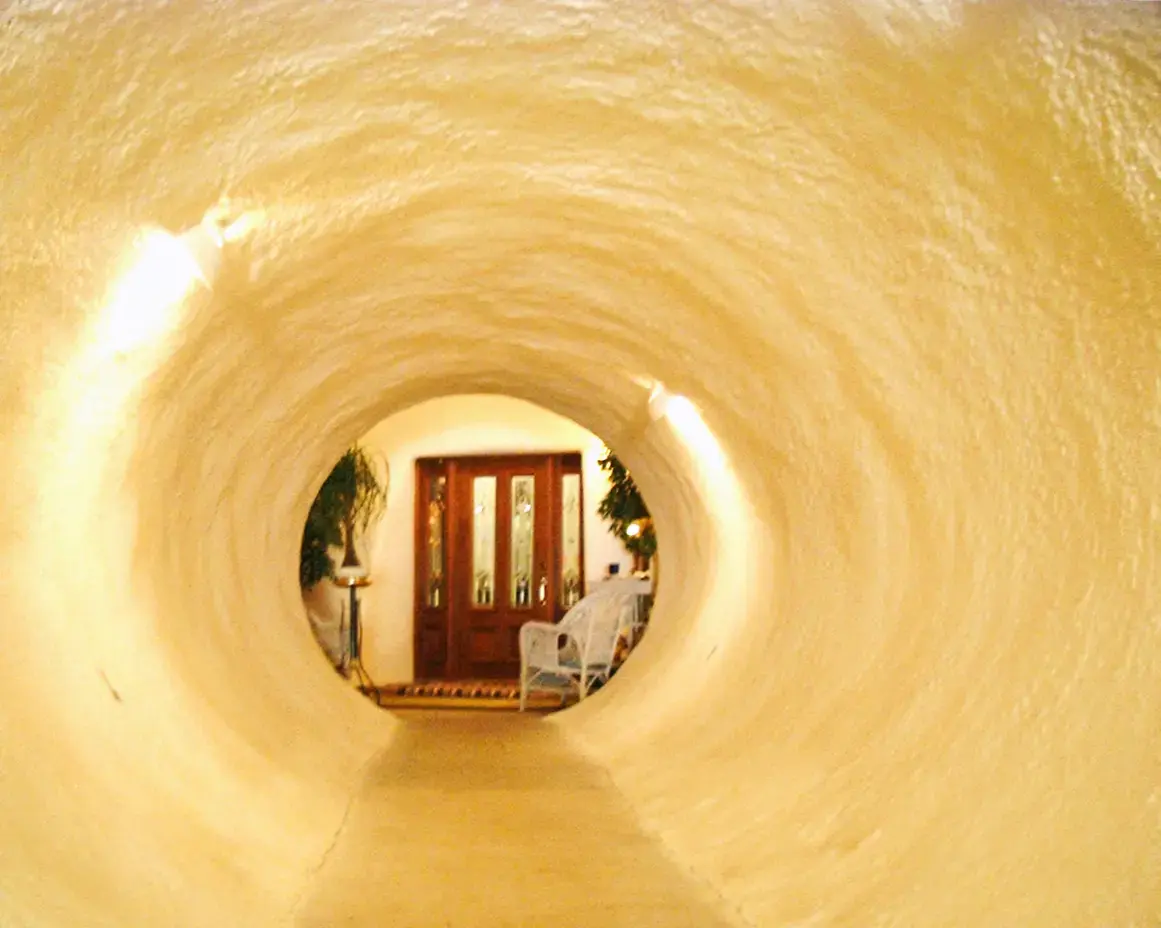
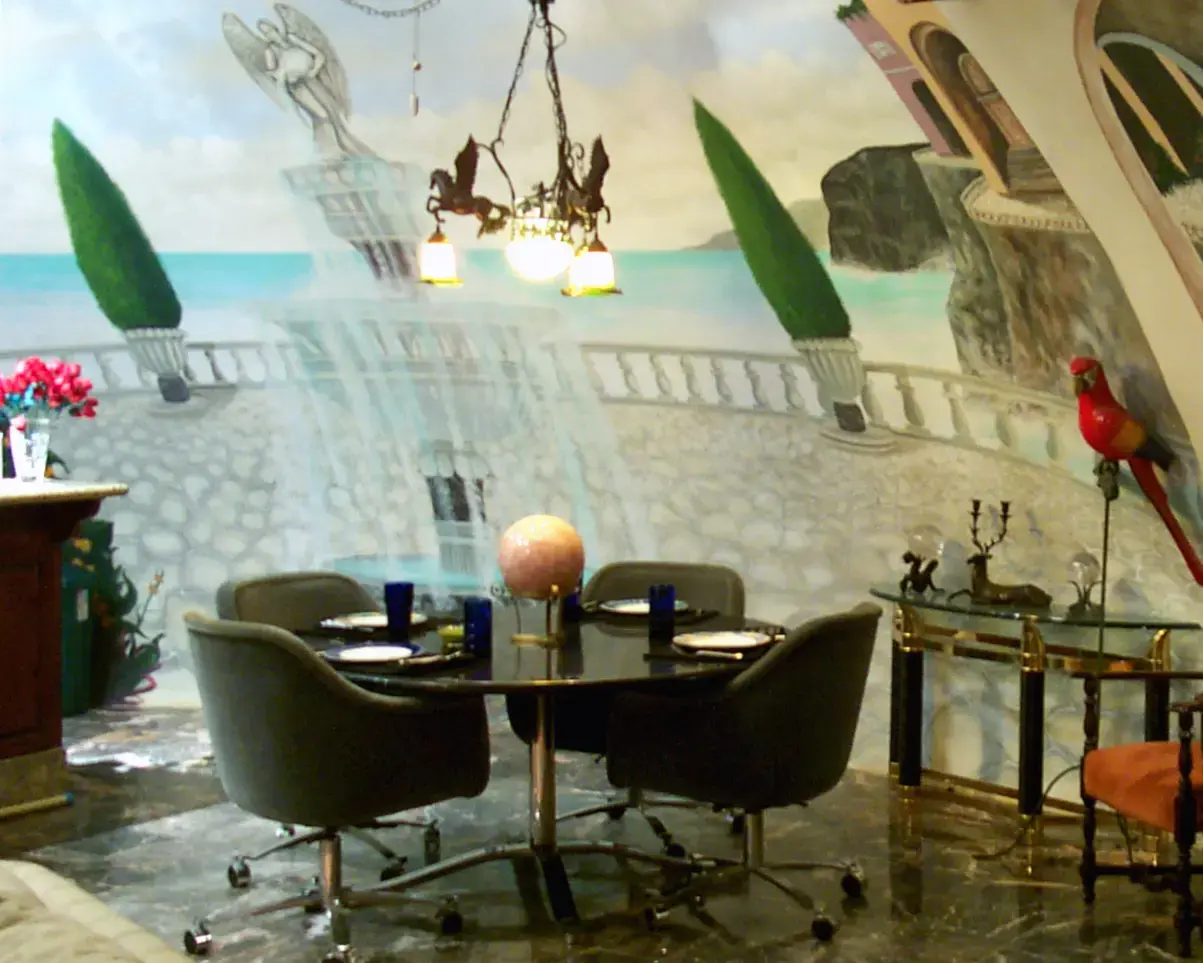
[Left] 1998: Entrance to an elaborate Monolithic Dome underground home. [Right] 1998: This underground home has many murals to make up for the lack of windows.
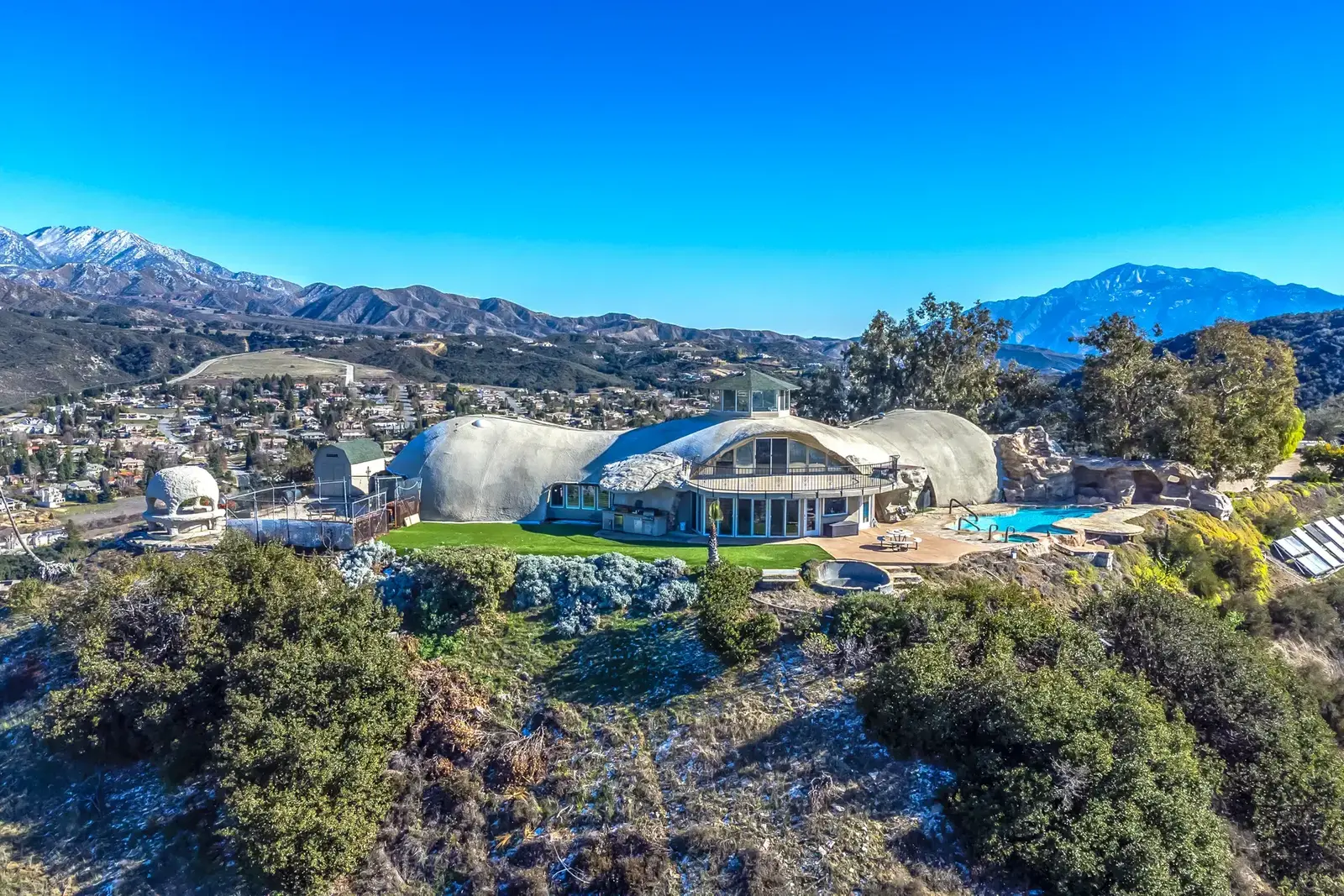
1999: Al Braswell and family complete construction of a Monolithic Dome home near Riverside, California, called Vista Dhome with an Airform and support from Monolithic.
In September of 1994, Al Braswell and his brother attended a Monolithic Dome Builders Workshop. In April 1995, Al’s son, Barry, participated in one as well. Subsequently, the three men did most of the construction of Vista Dhome themselves.
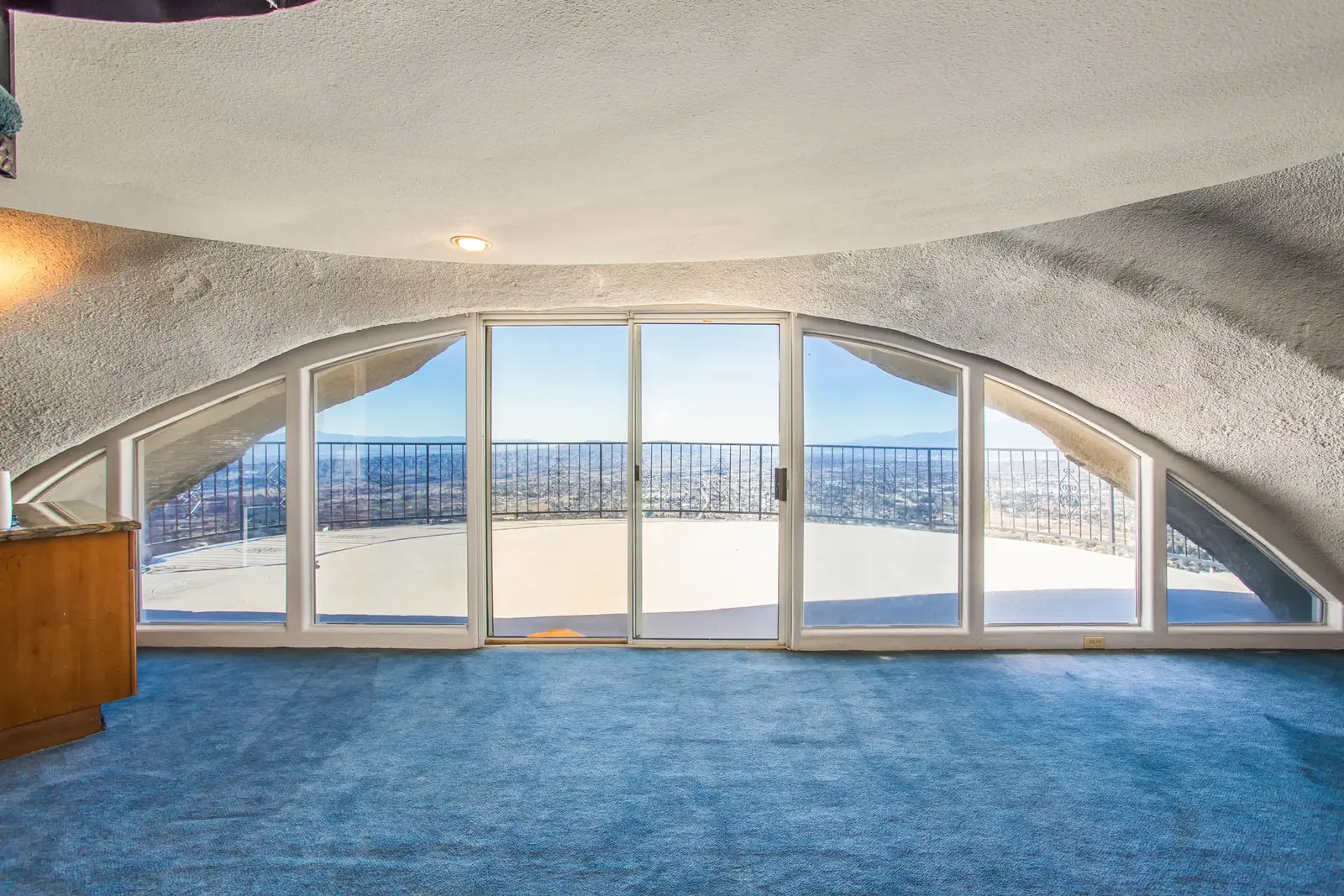
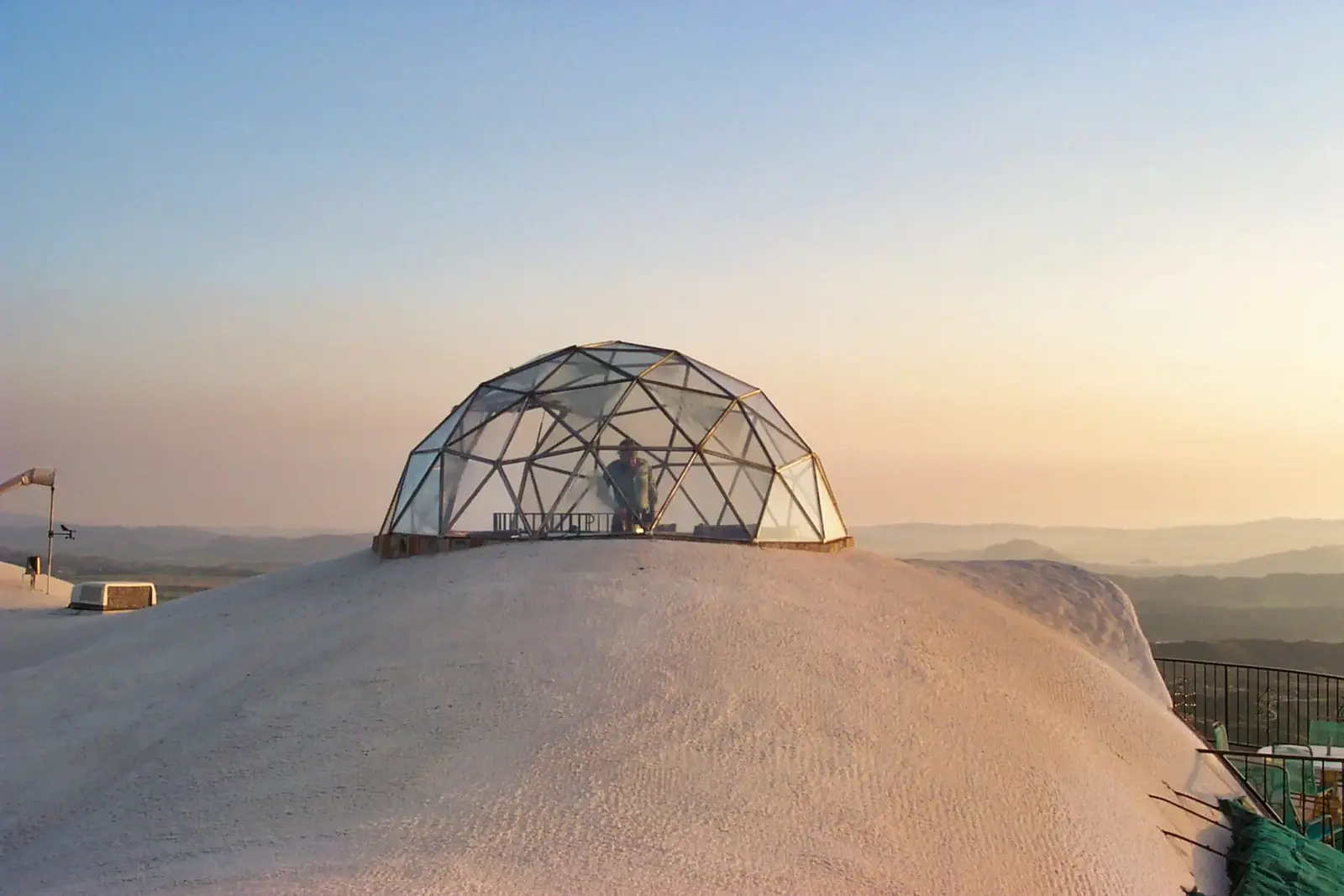
[Left] 1999: This loft is one-half of a circular room—the other half is the deck. The Braswells knew how to make the most of their view. [Right] 1999: Al is serving drinks in his beloved Sky Lounge.
Attractive Home Photography / Monolithic Commons / CC BY 4.0
David Collins / Monolithic Commons / CC BY 4.0
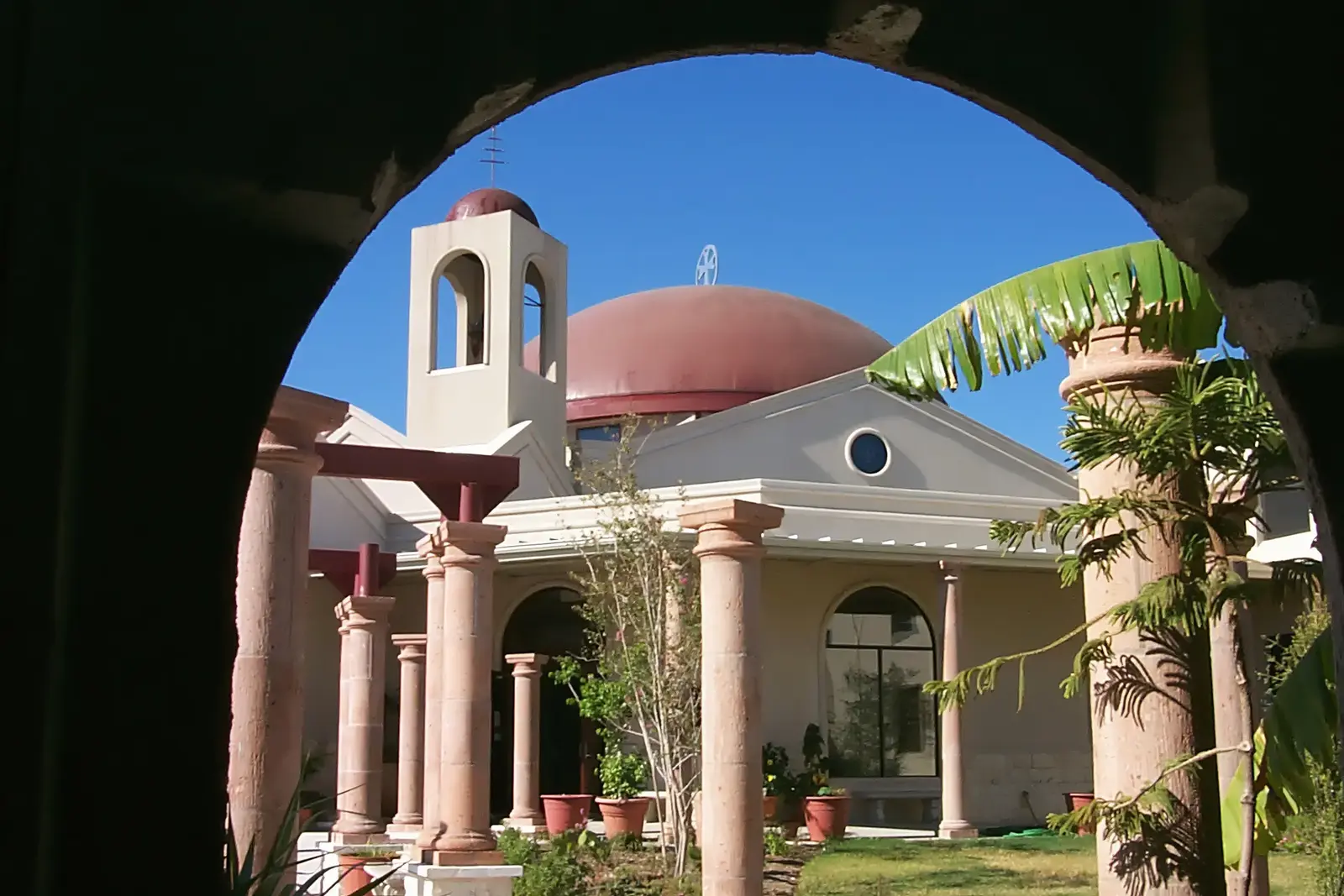
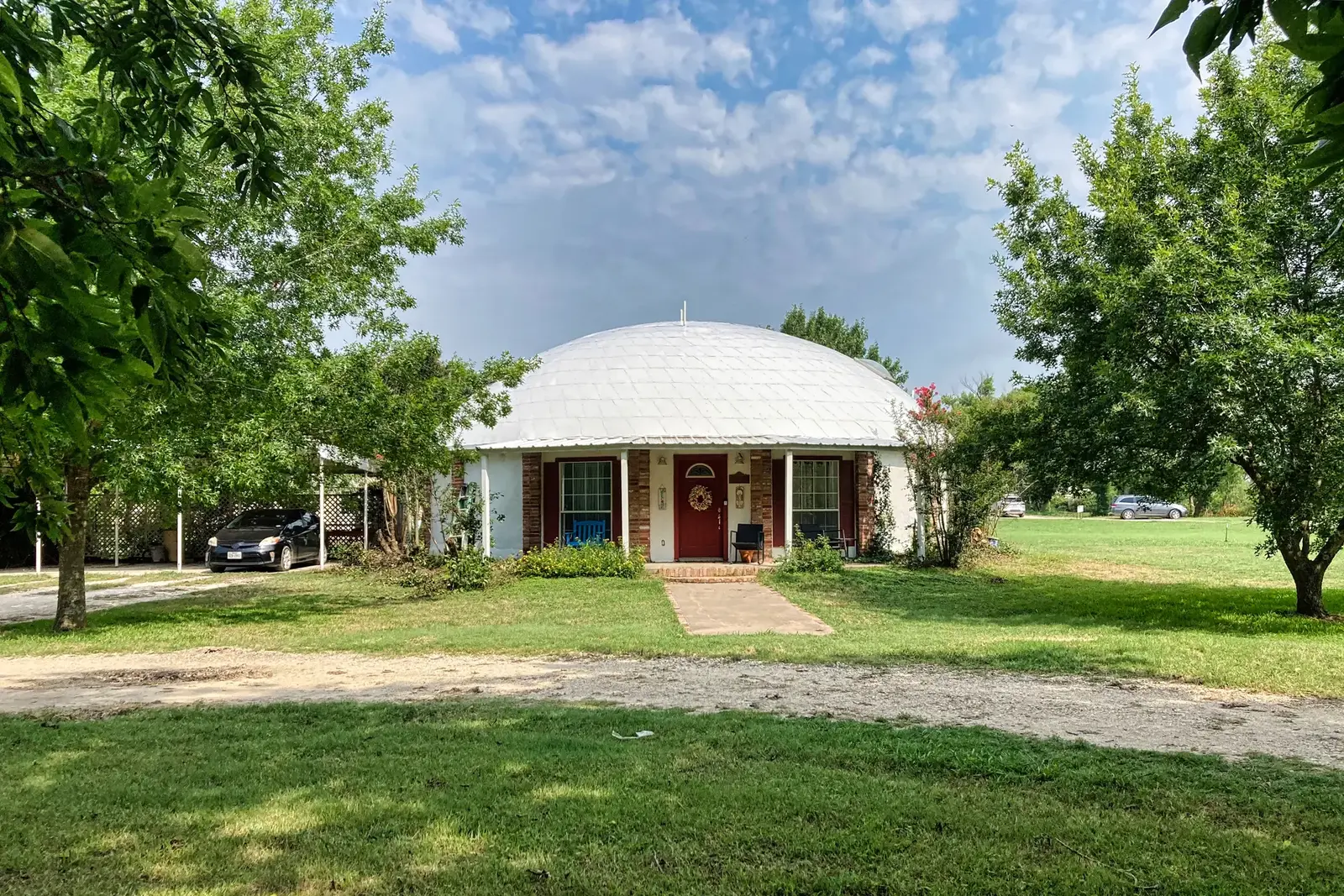
[Left] 1999: Our Lady’s Maronite Catholic Church in Austin, Texas, features a 48-foot diameter Monolithic Dome cupola. [Right] 2000: The Orion. The first Monolithic Dome constructed with Orion-style stemwalls was built in Italy, Texas, for Gary Clark and family.
Monolithic built this home as a proof-of-concept. Now, many, many Monolithic Dome homes, schools, churches, and more are built using various types of vertical stemwalls—the Orion-style is arguably the simplest to construct and doesn’t require any specialized equipment.
Dave South / Monolithic Commons / CC BY 4.0
Mike South / Monolithic Commons / CC BY 4.0
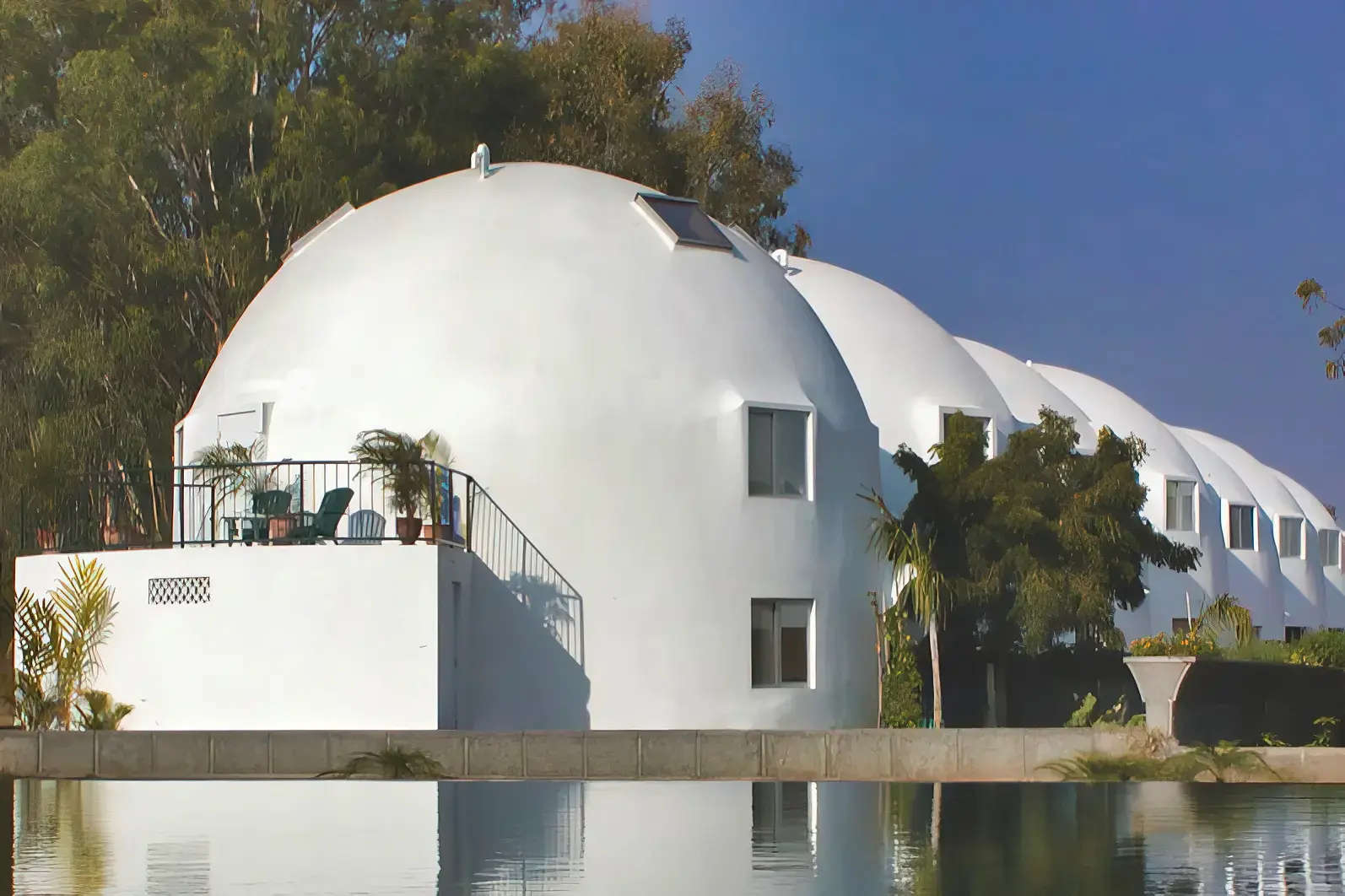
2000: Ten people attend a special workshop at Monolithic to learn how to build three-story Ecoshells. Those attendees go on to build this community in Hyderabad, India.
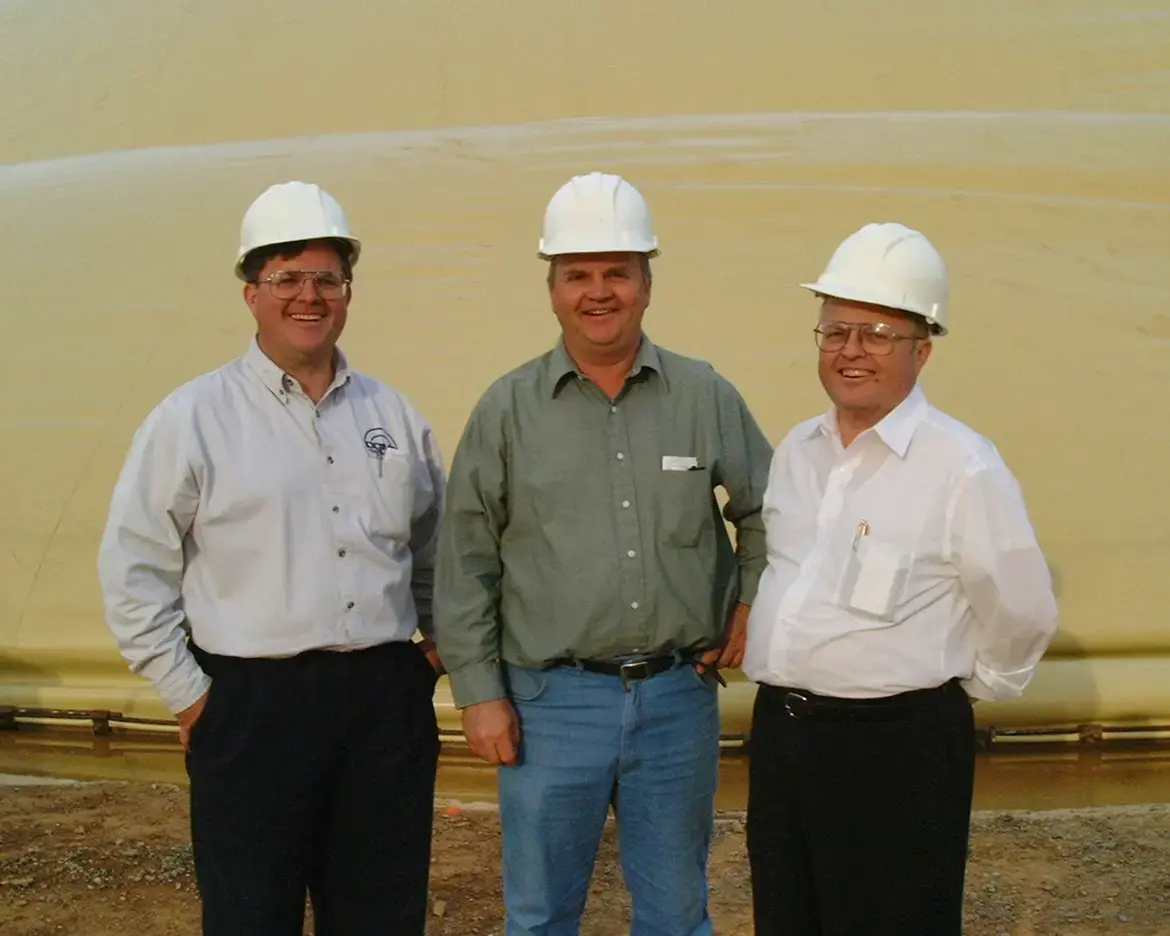
2000: All three co-inventors of the Monolithic Dome, Randy, Barry, and David B. South, at the inflation of Faith Chapel in Birmingham, Alabama.
The South Brothers stand in front of the largest Airform built for a Monolithic Dome Church to date. It is 280 feet in diameter and 72 feet tall, covering 87,000 square feet.
The three men founded Monolithic together in 1980, with David, the eldest, at the helm. Later, Barry establishes Dome Technology, David moves Monolithic to Texas, and Randy starts South Industries.
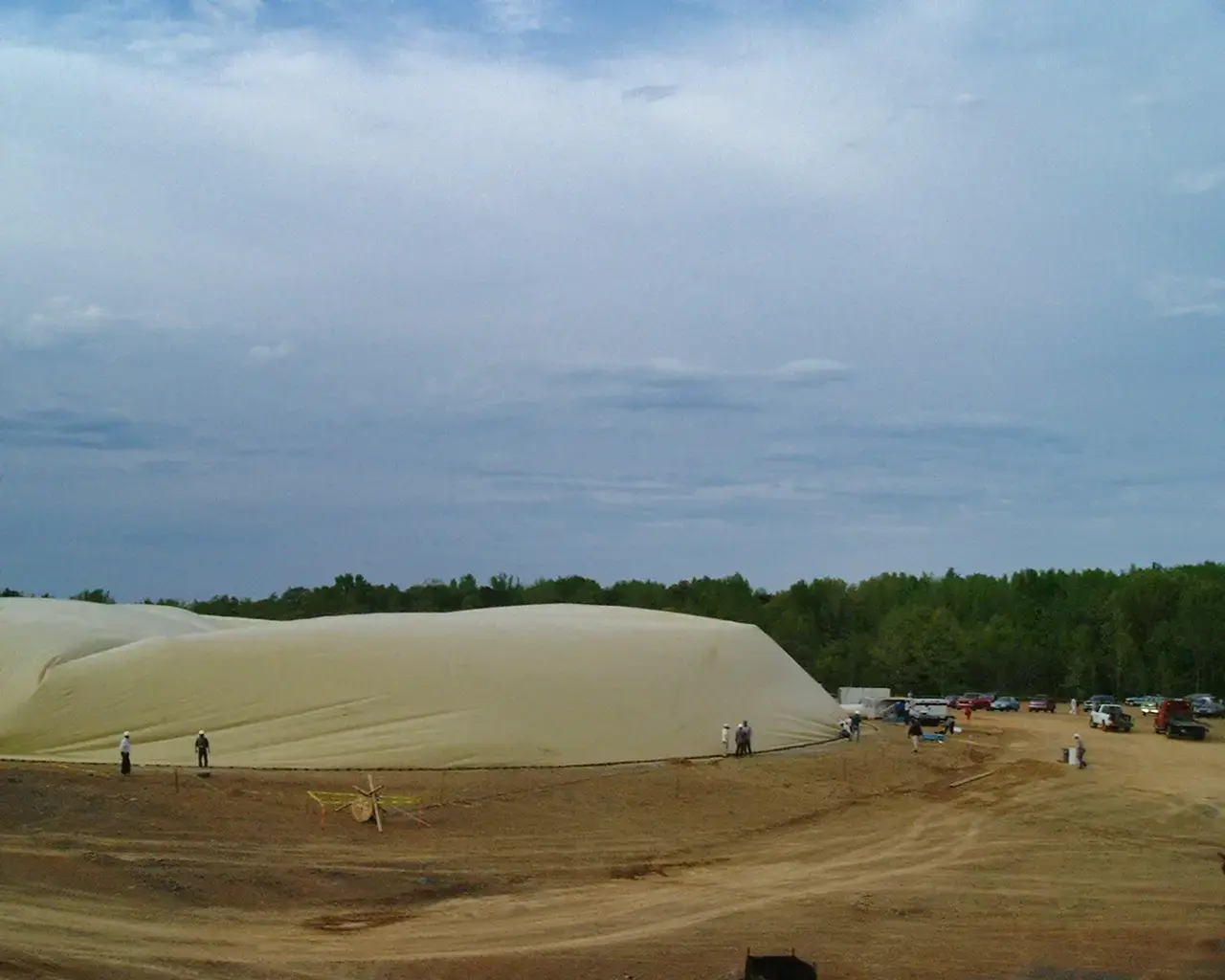
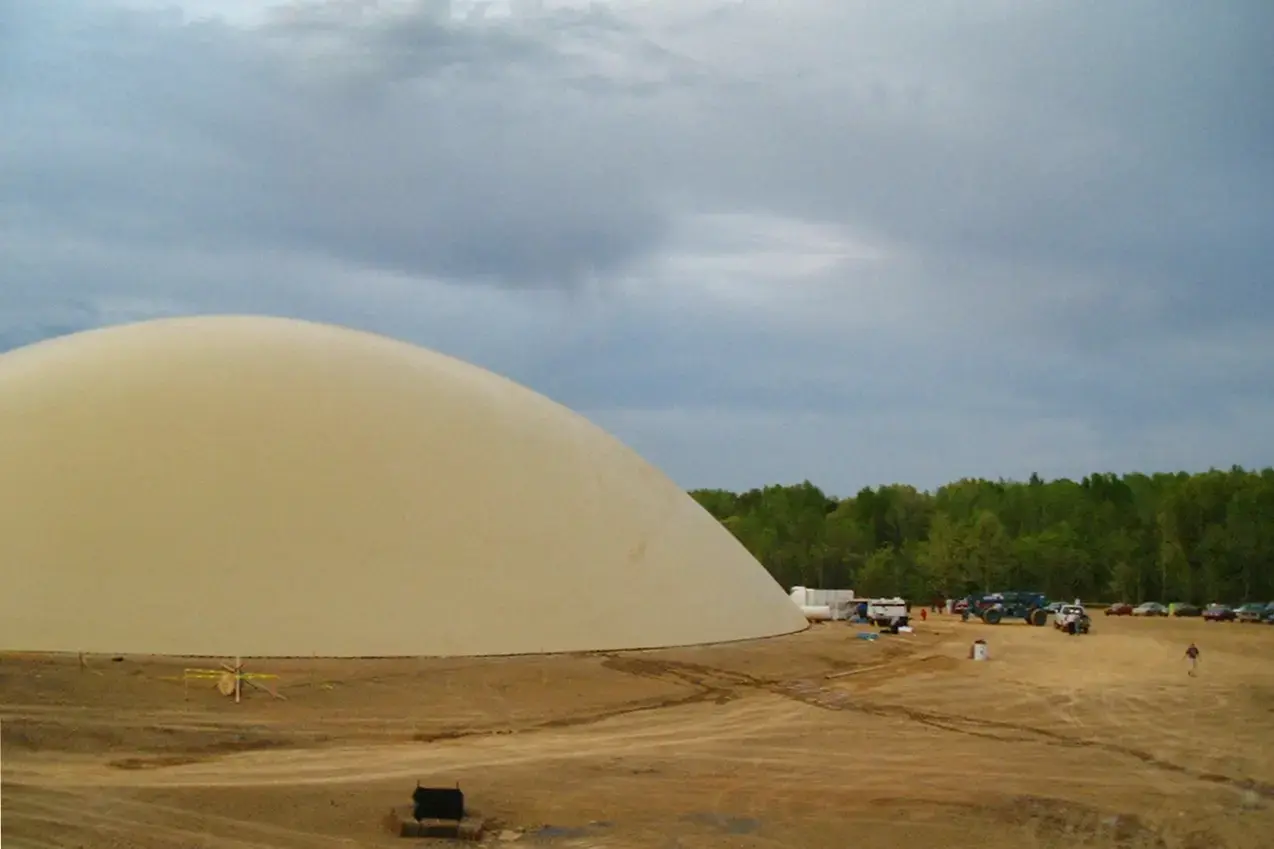
[Left] 2000: The inflation of Word Dome for Faith Chapel Christian Center, the largest Airform built by Monolithic for a Monolithic Dome Church. [Right] 2000: The first Airform for Faith Chapel in Alabama is inflated at 280 feet in diameter. Six smaller domes, four 144-feet-diameter and two 164-feet-diameter, are also constructed at this site.
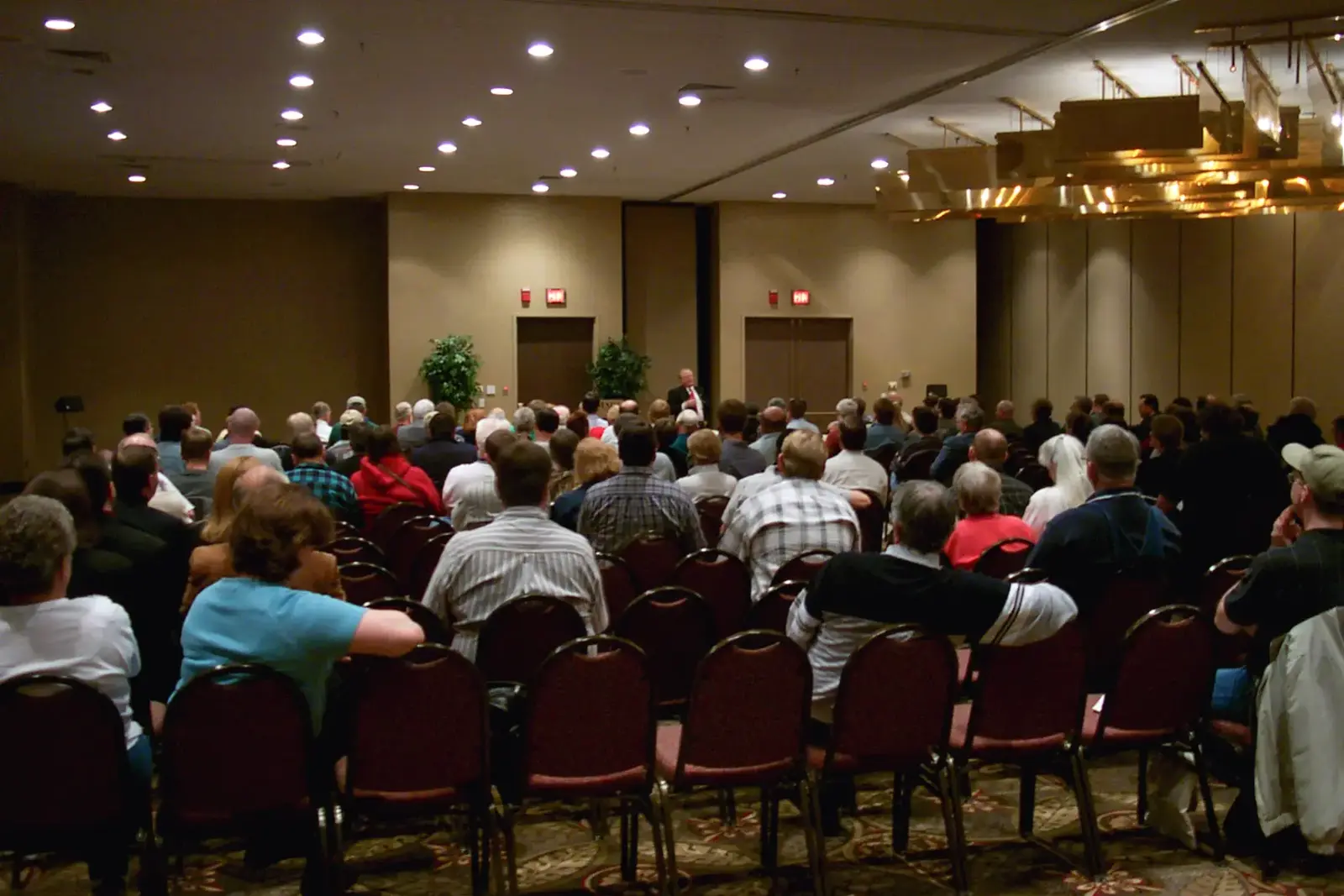
2001: David B. South is the keynote speaker at the 2001 Monolithic Dome Conference in Fort Worth, Texas.
From 1995 to 2008, Monolithic hosts annual three-day Monolithic Dome Conferences featuring vendor booths, breakout sessions and a banquet. Presenters include experts in engineering, architecture, HVAC and acoustics, as well as school and municipal administrators and representatives from FEMA.
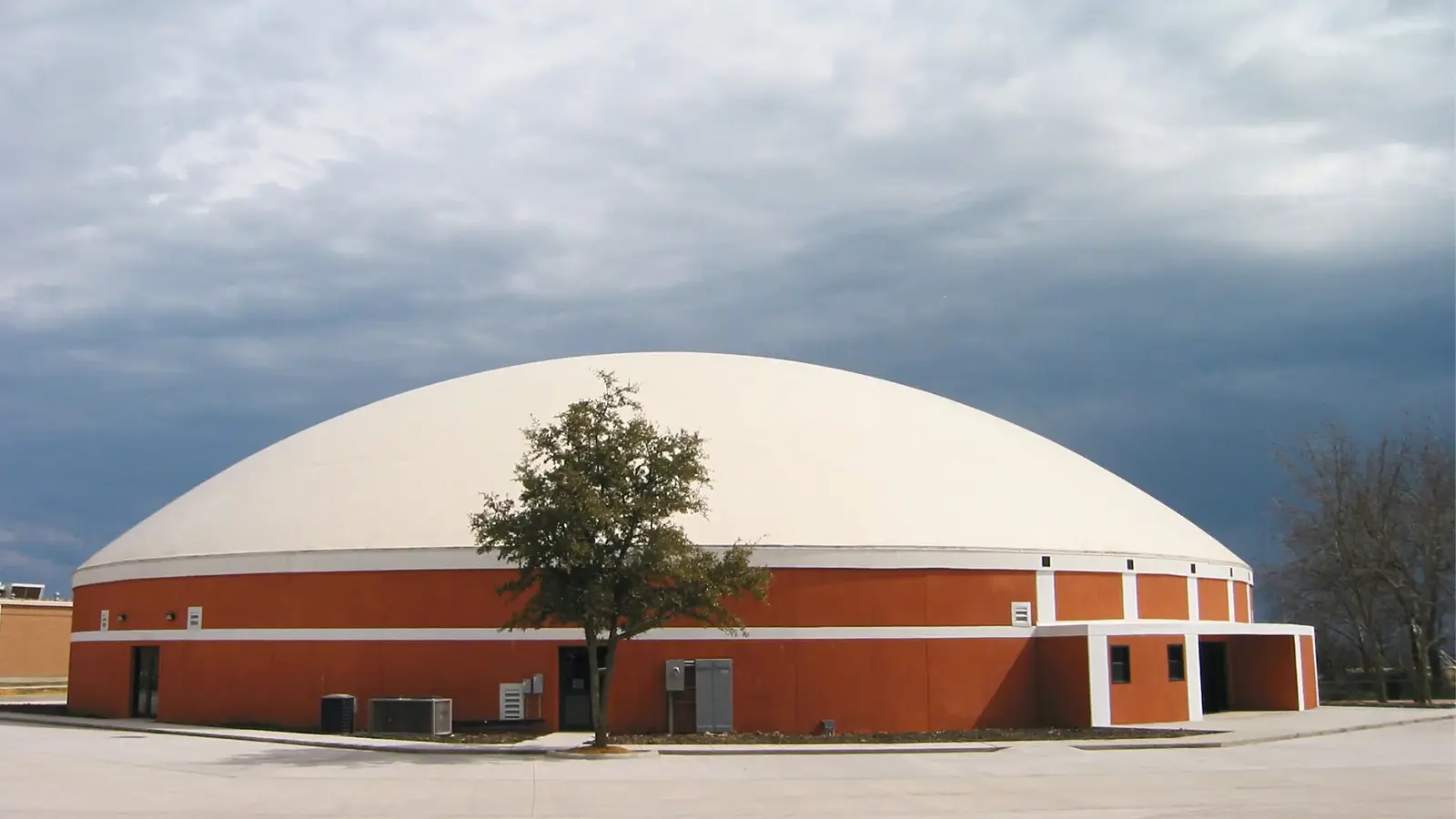
2001: The first Monolithic Dome gymnasium with an Orion-style stemwall is constructed for Italy High School in Italy, Texas—the hometown of Monolithic. The next year, a neighboring school district, Avalon ISD in Avalon, Texas, builds its Monolithic Dome gymnasium the same way.
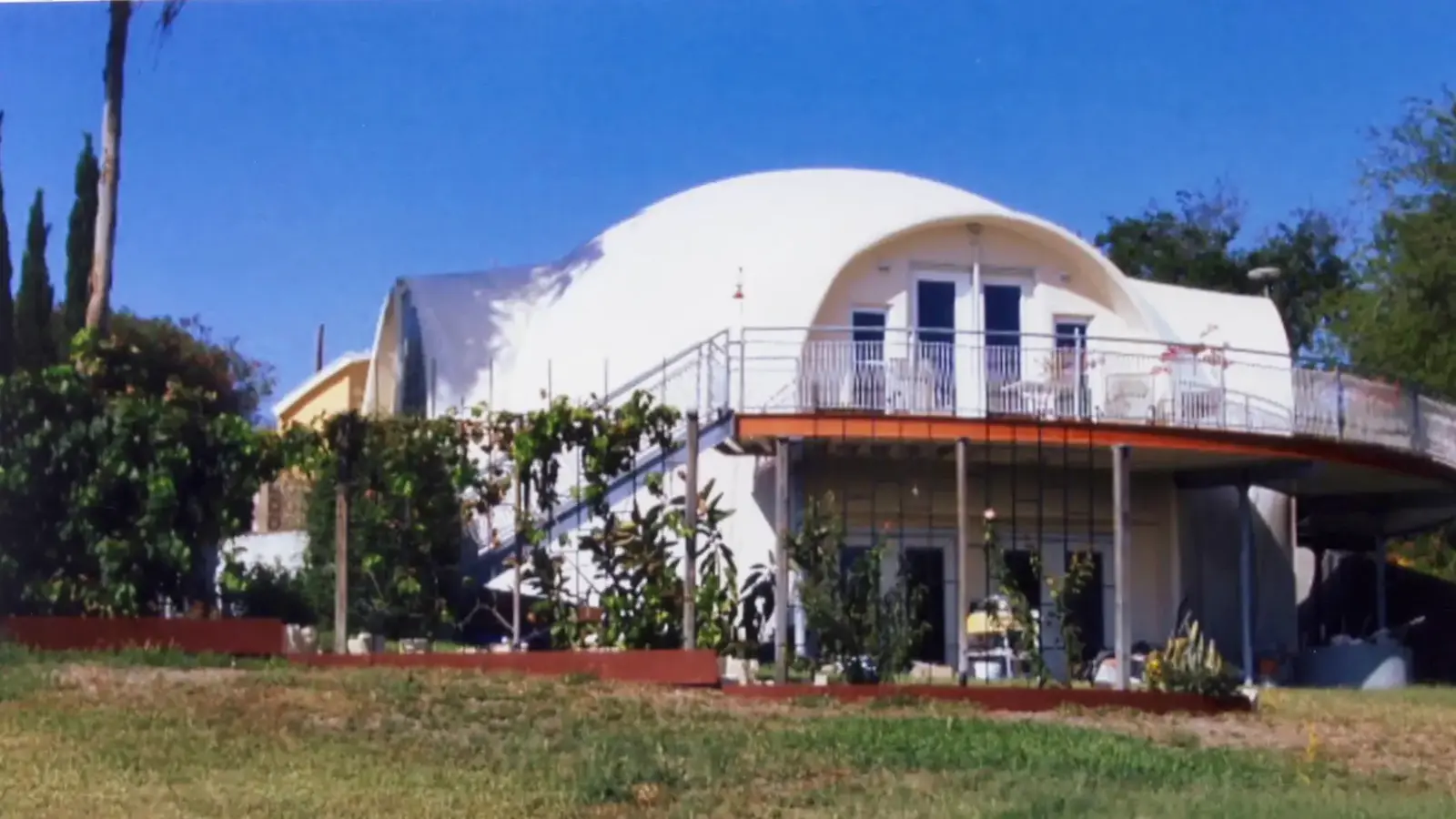
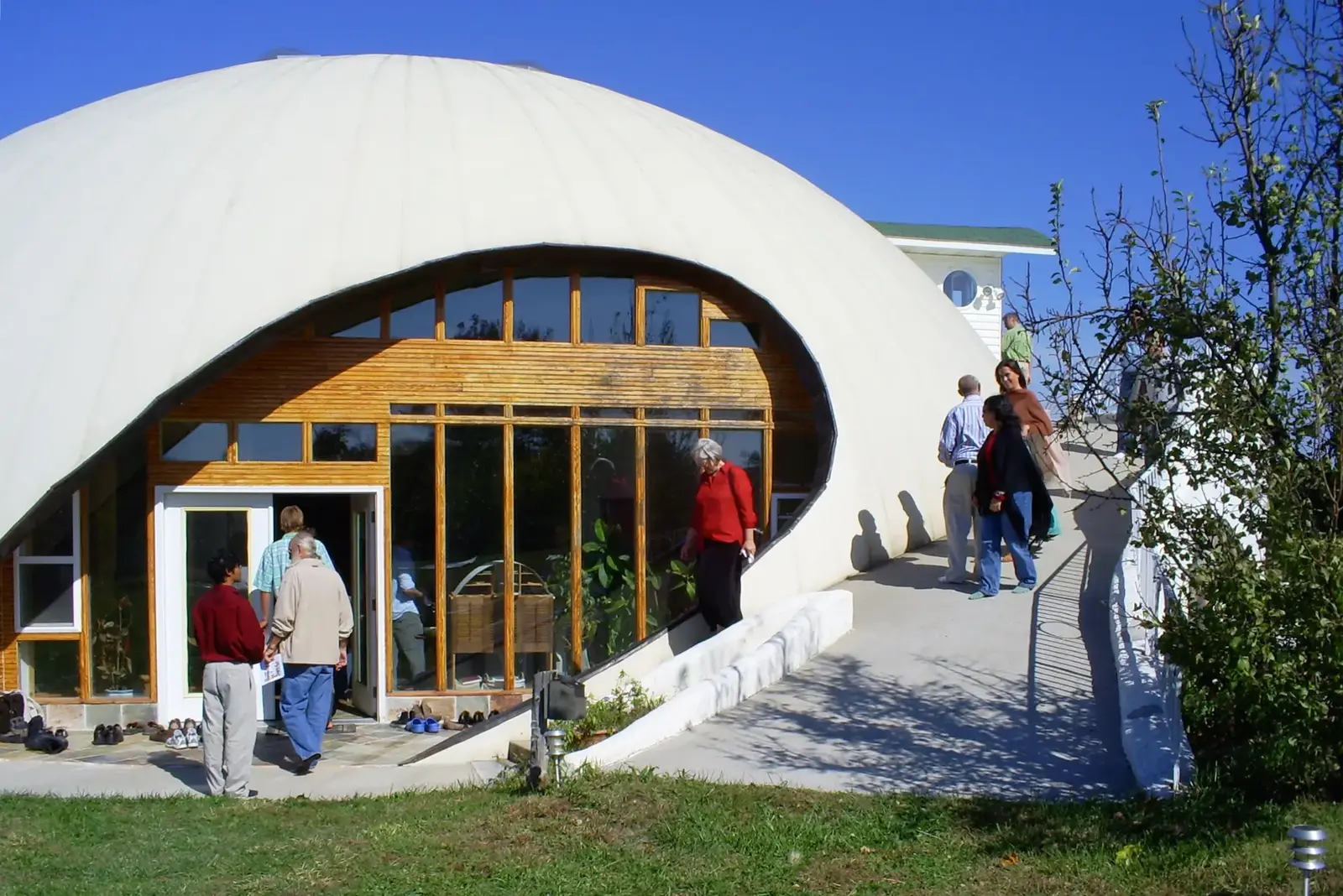
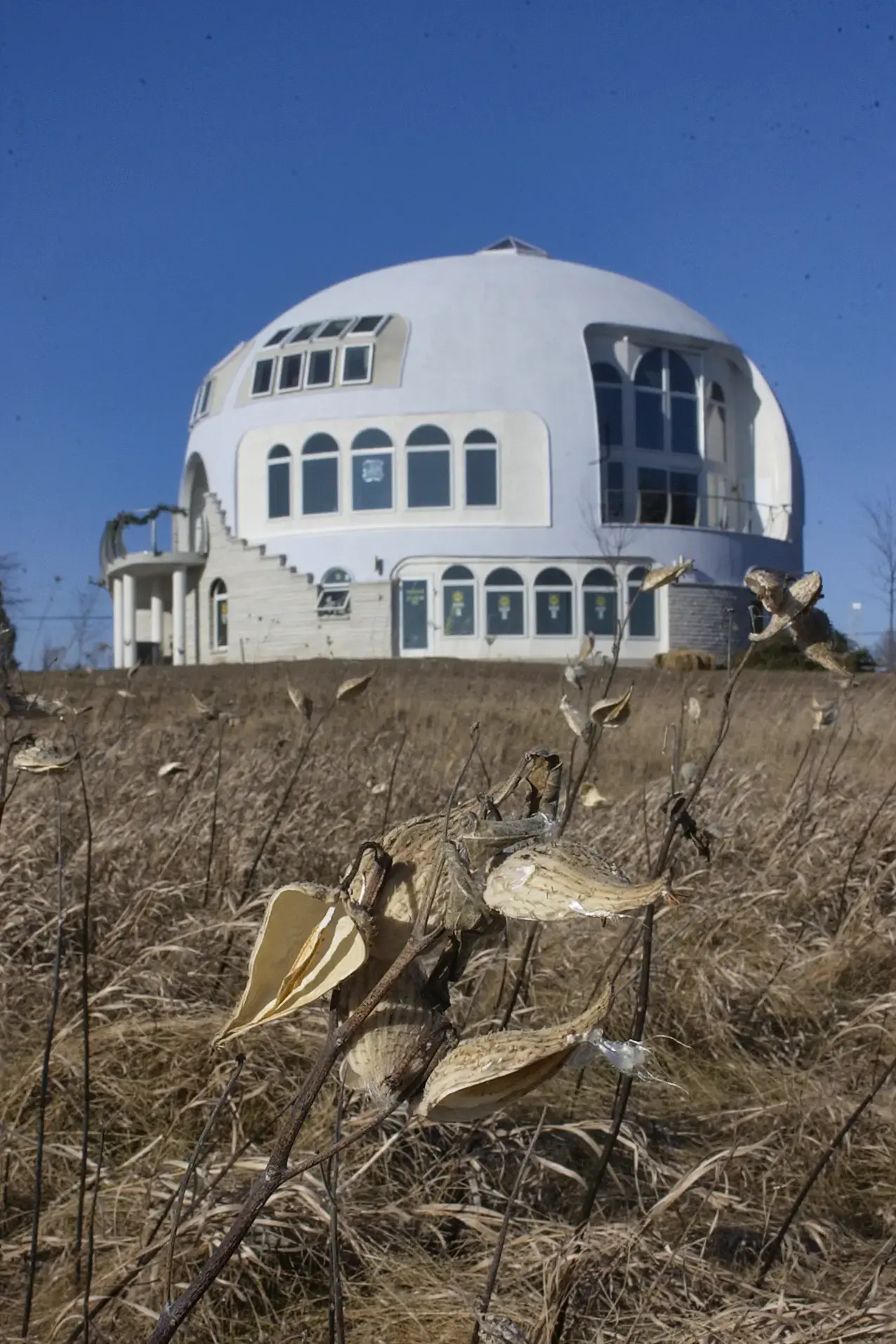
[Left] 2001: This Coastal Monolithic Dome home is built in Portland, Texas. It is 45 feet in diameter. [Center] 2001: The School of Metaphysics is constructed in Windyville, Missouri. The Monolithic Dome, called the Peace Dome, is ellipsoidal with a major axis of 60 feet. [Right] 2002: Monolithic delivers the Airform for this beautiful Monolithic Dome home to Manitowoc, Wisconsin, on the shores of Lake Michigan.
Dietmar Graf / Submitted Media
Tad Messenger / Submitted Media
Submitted Media

2002: Vista Dhome survives a California Wildfire. A fire chief told the homeowners that if their dome had been a conventional house, it would have burned into a “pile of ashes.”
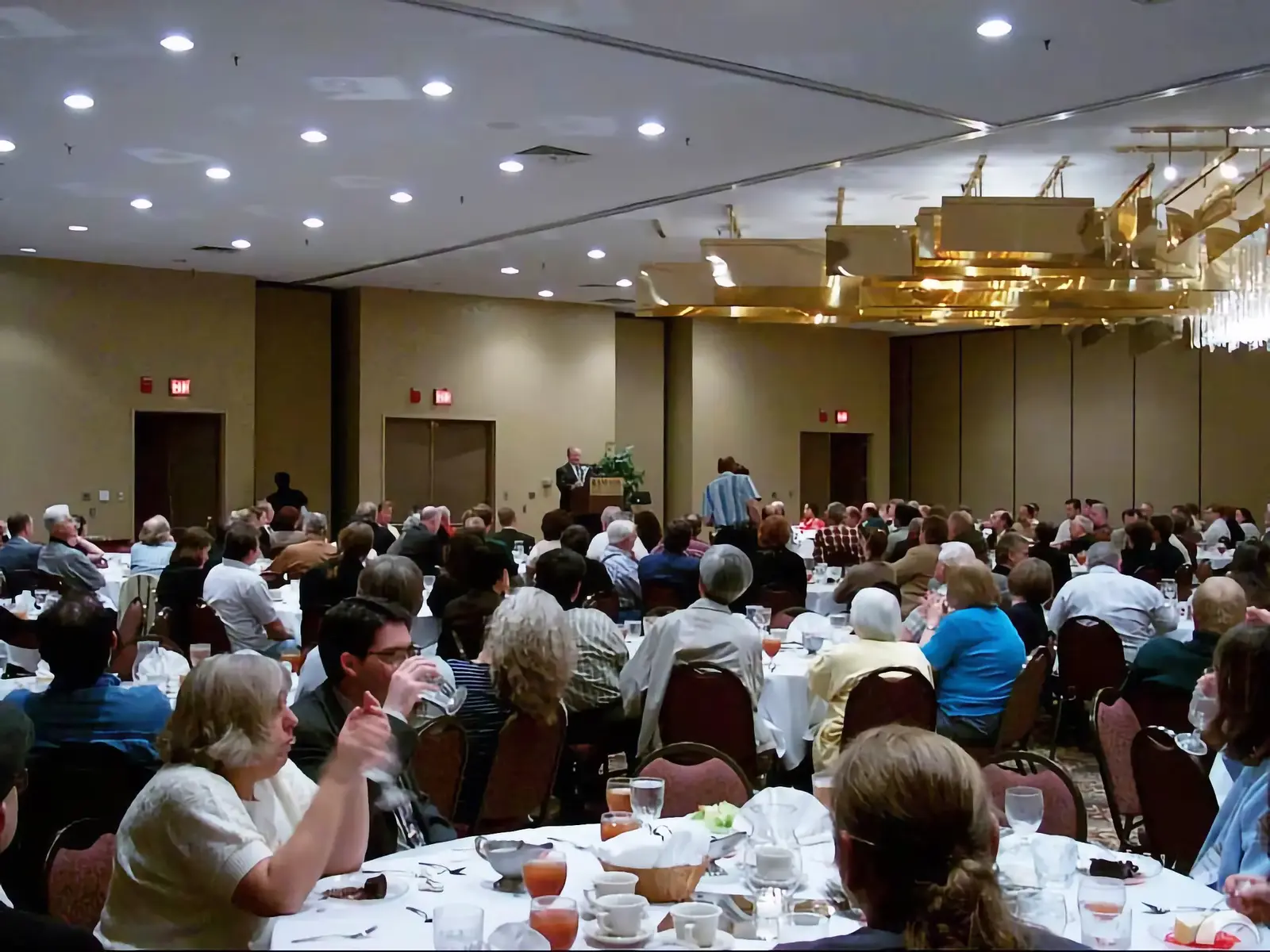
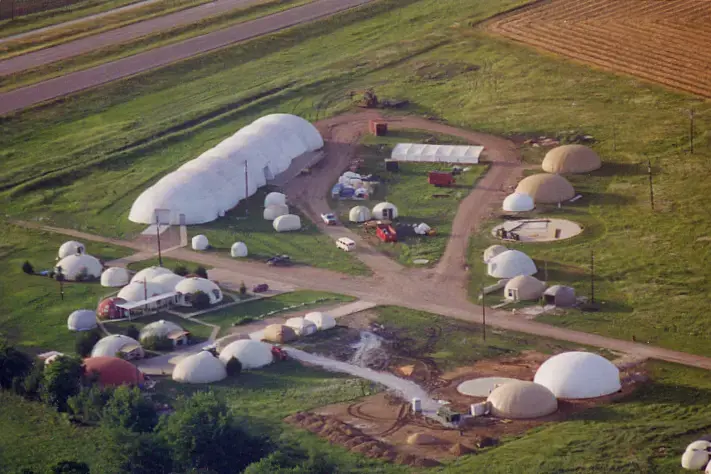
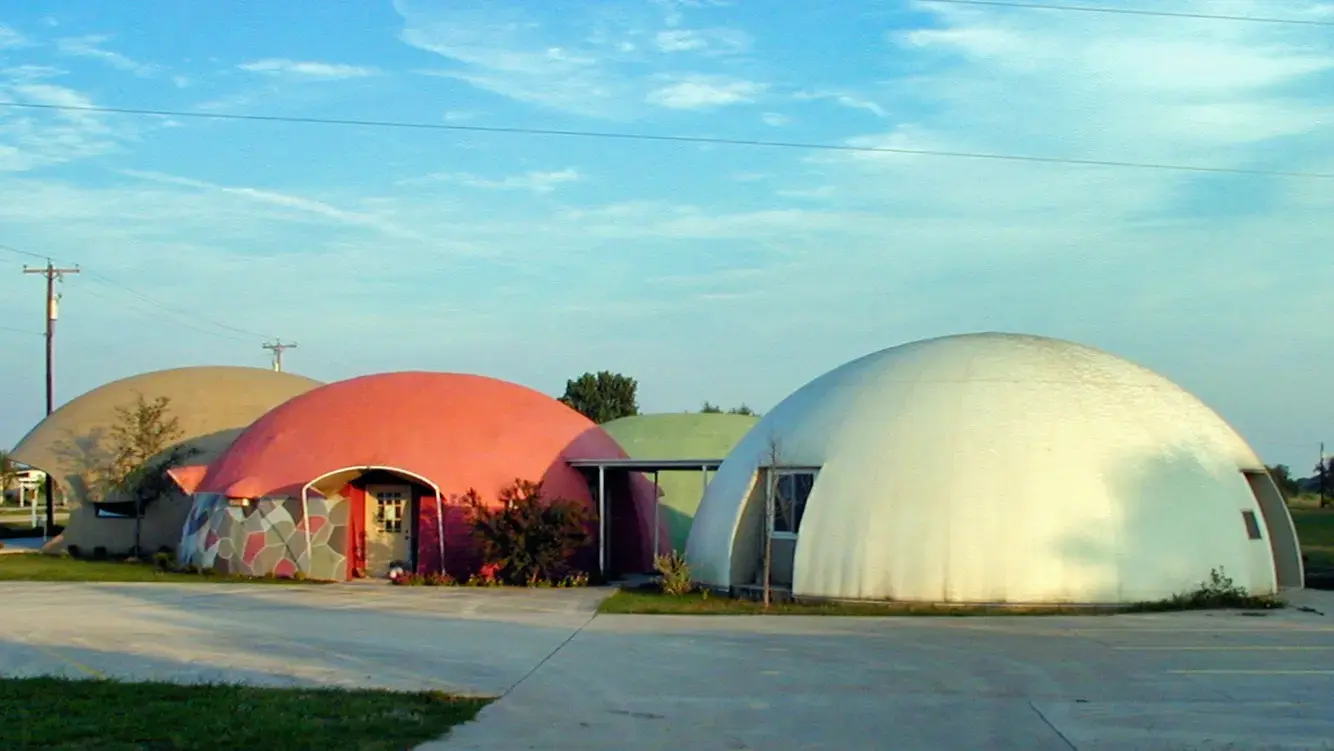
[Left] 2003: The highlight of the annual three-day Monolithic Dome Conferences was always the banquet on Friday night. Monolithic hosted conferences in the Dallas/Fort Worth metroplex for 14 years, from 1994 to 2008. [Center] 2003: Progress continues at the Research Park. A new office is being constructed (bottom right). [Right] 2004: The new offices of the Monolithic Dome Institute are move-in ready.
Dave South / Monolithic Commons / CC BY 4.0
Mike South / Monolithic Commons / CC BY 4.0
Dave South / Monolithic Commons / CC BY 4.0
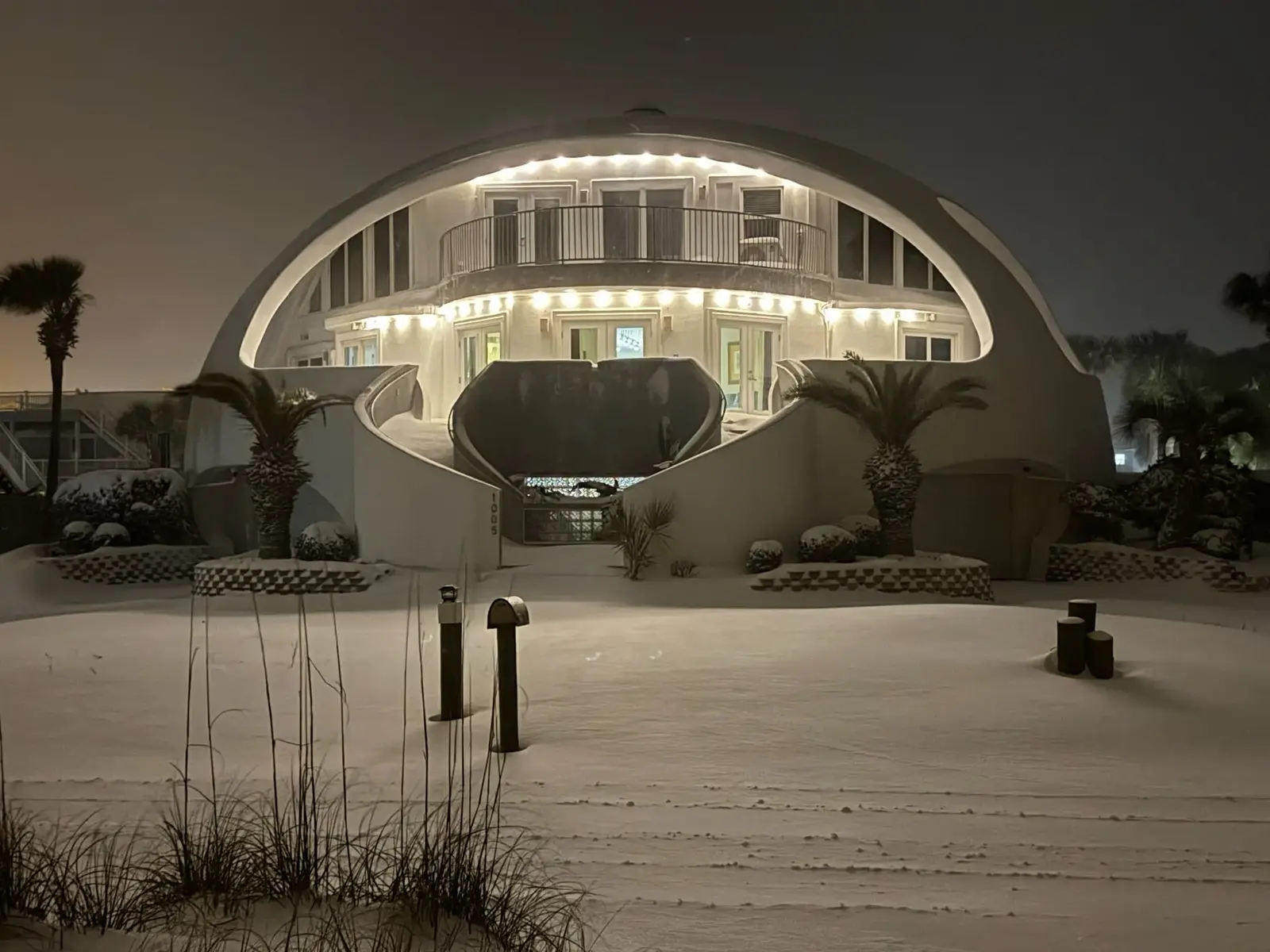
2004: Dome of a Home on Pensacola Beach, Florida, shrugs off Hurricane Ivan. Built with a FEMA grant, it shelters well-known NBC reporter Kerry Sanders and his crew, while they report live from the dome during the destructive storm on September 17, 2004.
Thank you to the new owners of this famous Monolithic Dome home for sending us this photo taken after a once-in-a-lifetime snowstorm.
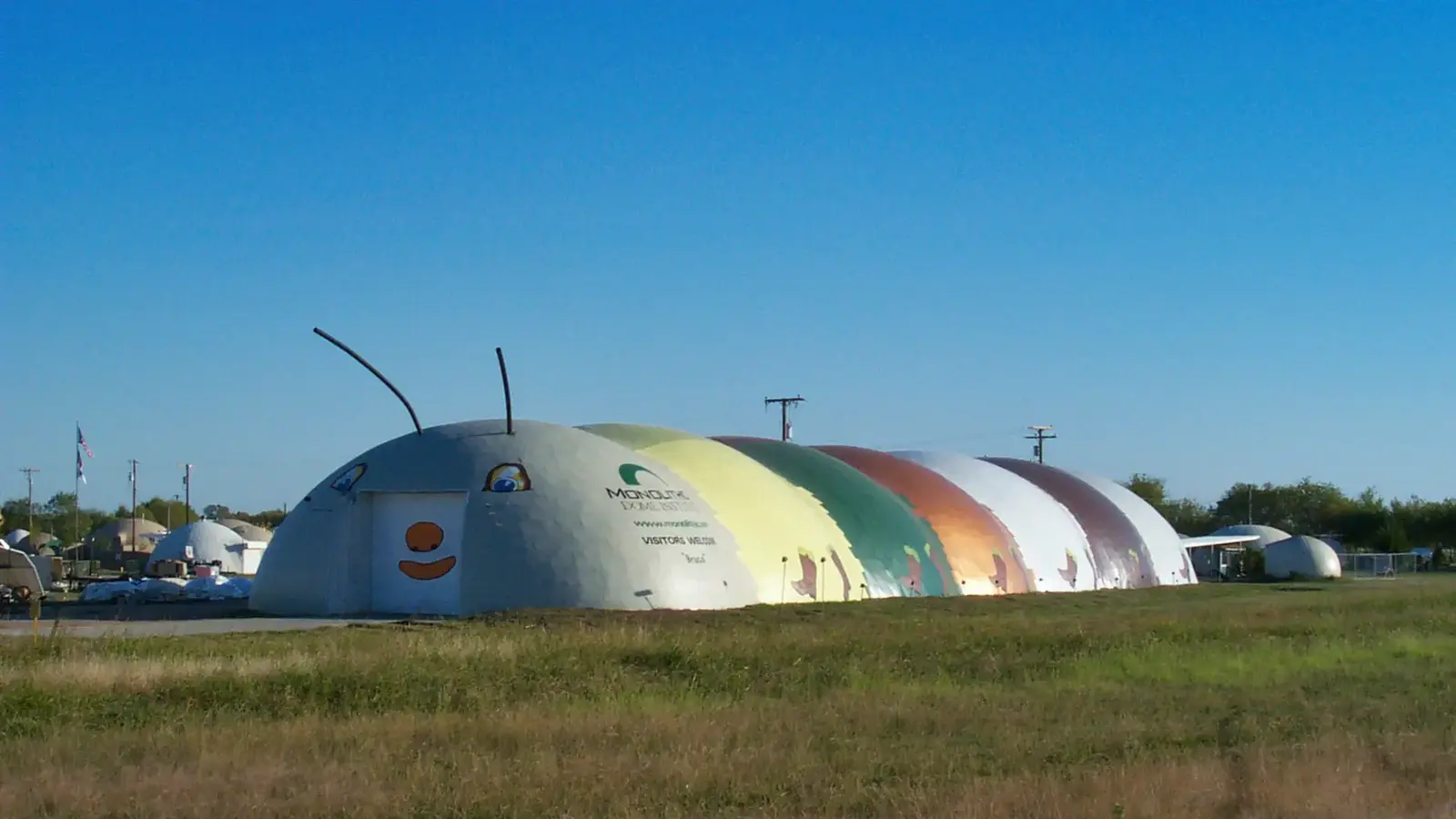
2005: A new multi-color exterior and smile is given to Bruco, the Texas-Italian Caterpillar, also known as Monolithic’s Fabric Structures and Airform Manufacturing Plant, in Italy, Texas.
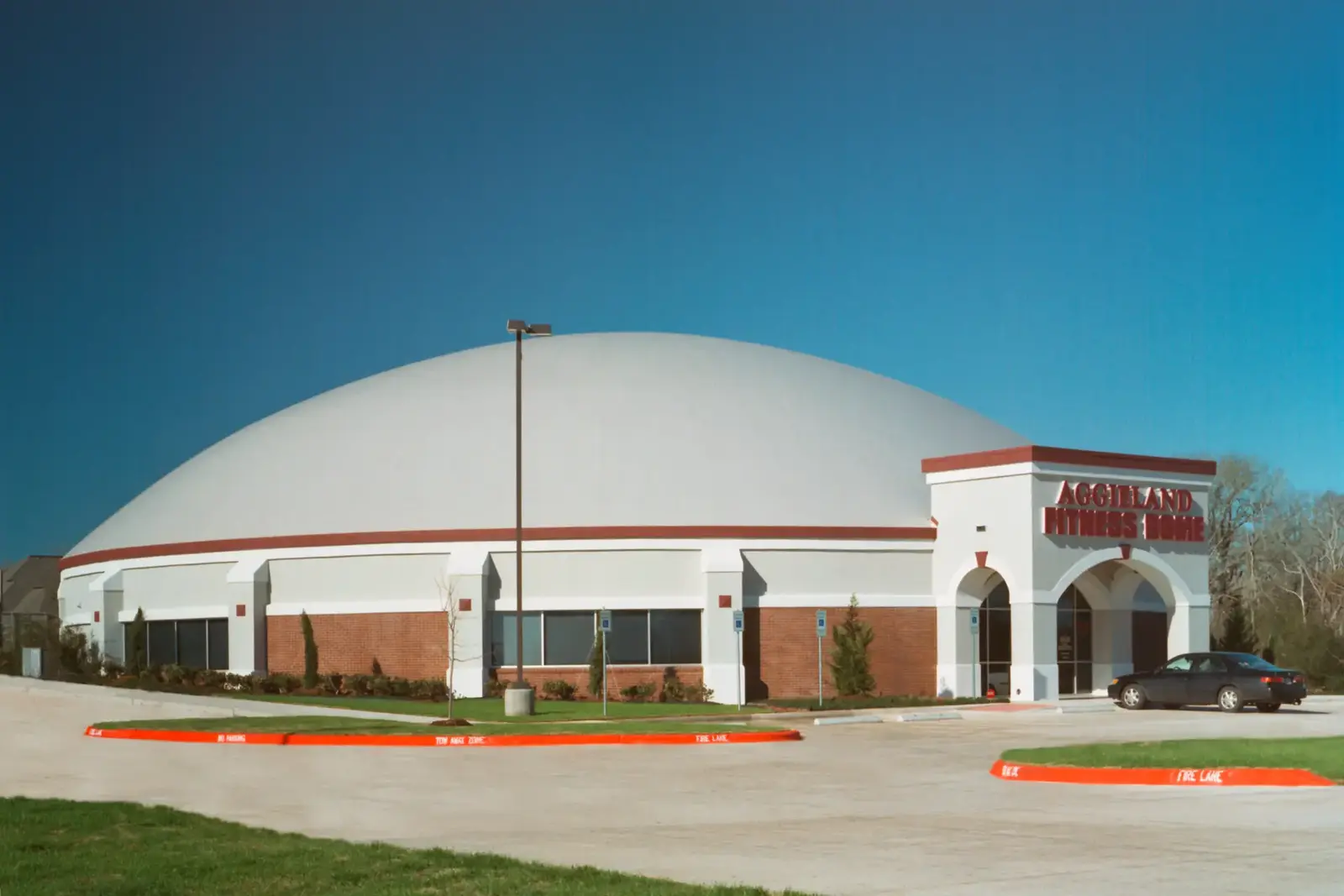
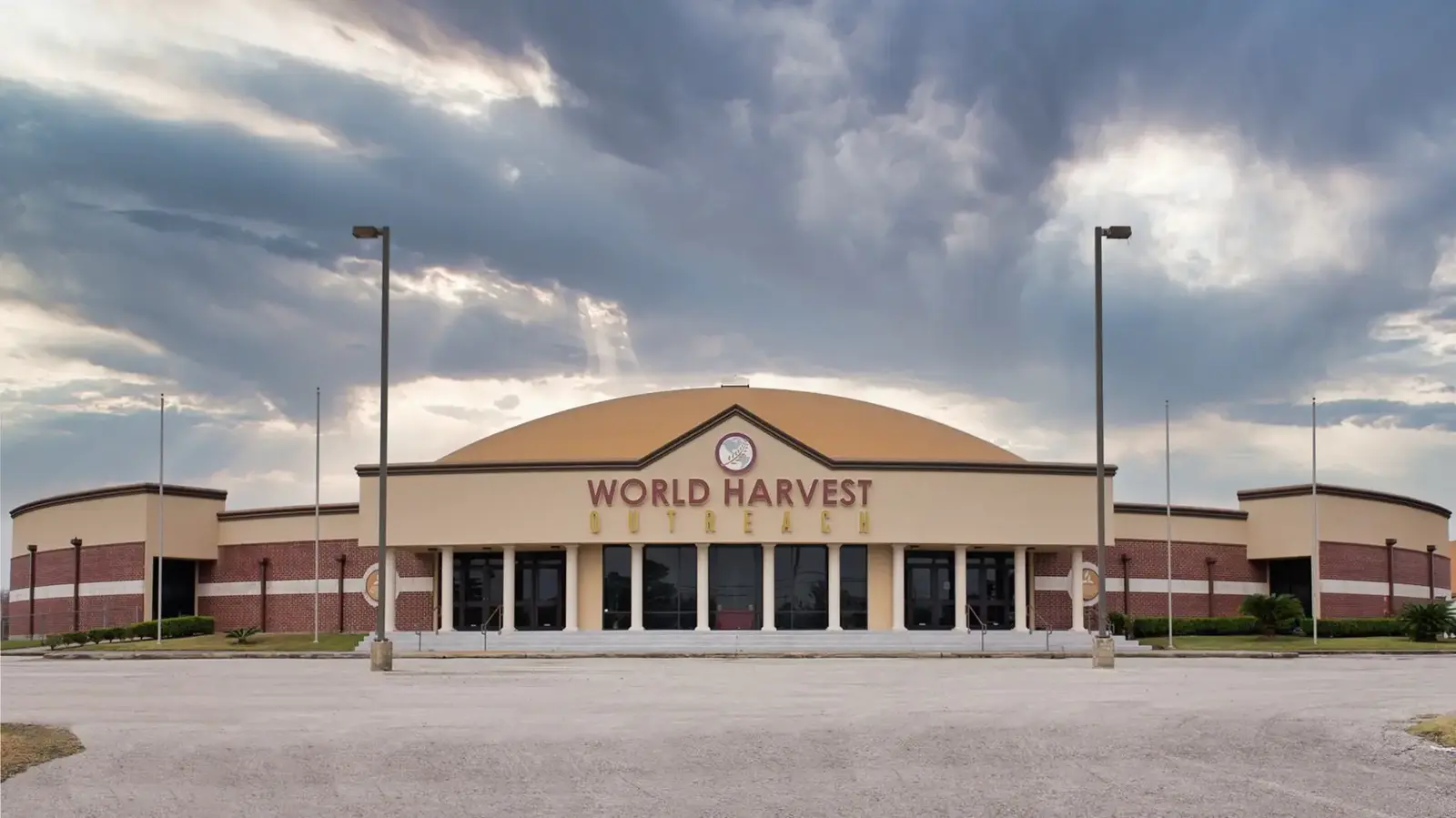
[Left] 2004: The Airform for Aggieland Fitness in College Station, Texas is 123.5 feet in diameter and 20 feet tall. [Right] 2005: St. Agnes Christian Church—now World Harvest Outreach—in Houston, Texas, sheltered many people during and after Hurricane Katrina.
Dave South / Monolithic Commons / CC BY 4.0
World Harvest / Submitted Media
2006-2015
One of David B. South’s goals was to make clean, safe housing accessible to people living paycheck to paycheck by demonstrating that Monolithic Dome studio complexes are a sound investment. In the fourth decade of domes, that vision begins to take shape with the completion of the first two studio apartment complexes. David’s daughter, Melinda, plays a significant role in ironing out the rental processes. Meanwhile, in Salt Lake City, Rebecca founds the Domes for the World Foundation with support from Texas. She hires Rick Crandall as the architect for a major 72-home project in Indonesia. Rebecca partners with her cousin, Andrew South, of South Industries, to handle the construction management. In the 2020s, Dr. Andrew South becomes a civil and construction engineering professor at BYU and the president of DFTW.It is during these years that the people heavily involved in the Monolithic Dome industry realize they can no longer name, recognize, or keep track of every new dome. By 2015, there are hundreds of Monolithic Domes in 48 states and about 53 countries. Andrew South and his brothers at South Industries take the reins at DFTW; Monolithic builds the domes for an architectural masterpiece in Turkiye; Mike South comes in from the field and is managing Monolithic’s construction crews, the day-to-day business operations, and patterning Airforms. All the while, the community of dome builders, engineers, designers, architects and specialists continues to grow and innovate, refining best practices.
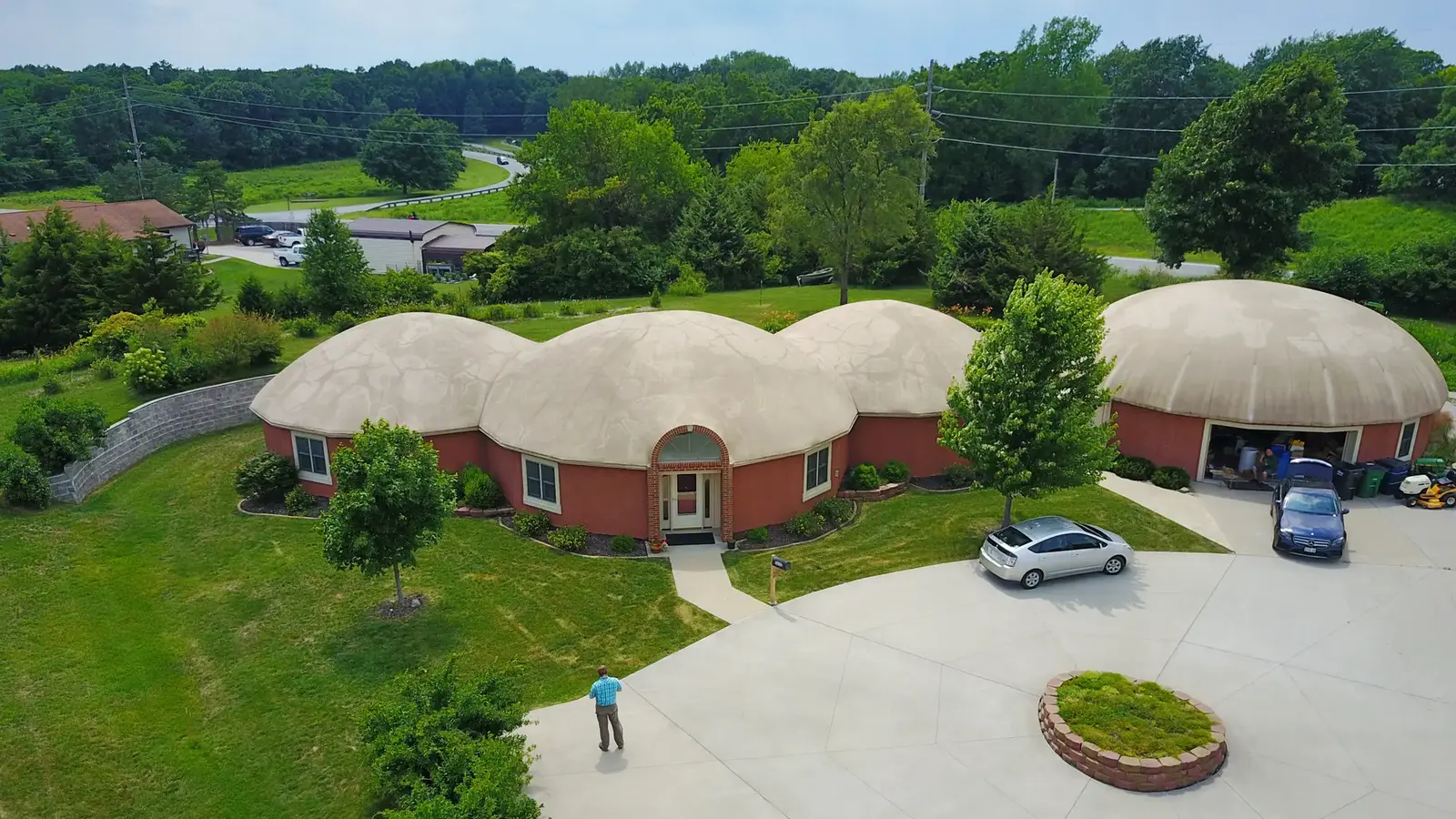
2006: Mike South, now President of Monolithic, was the superintendent onsite during the construction of this dream Monolithic Dome home for Airform pioneer, Jack Boyt. The domes are built on Orion-style stemwalls, and took only six weeks to construct.
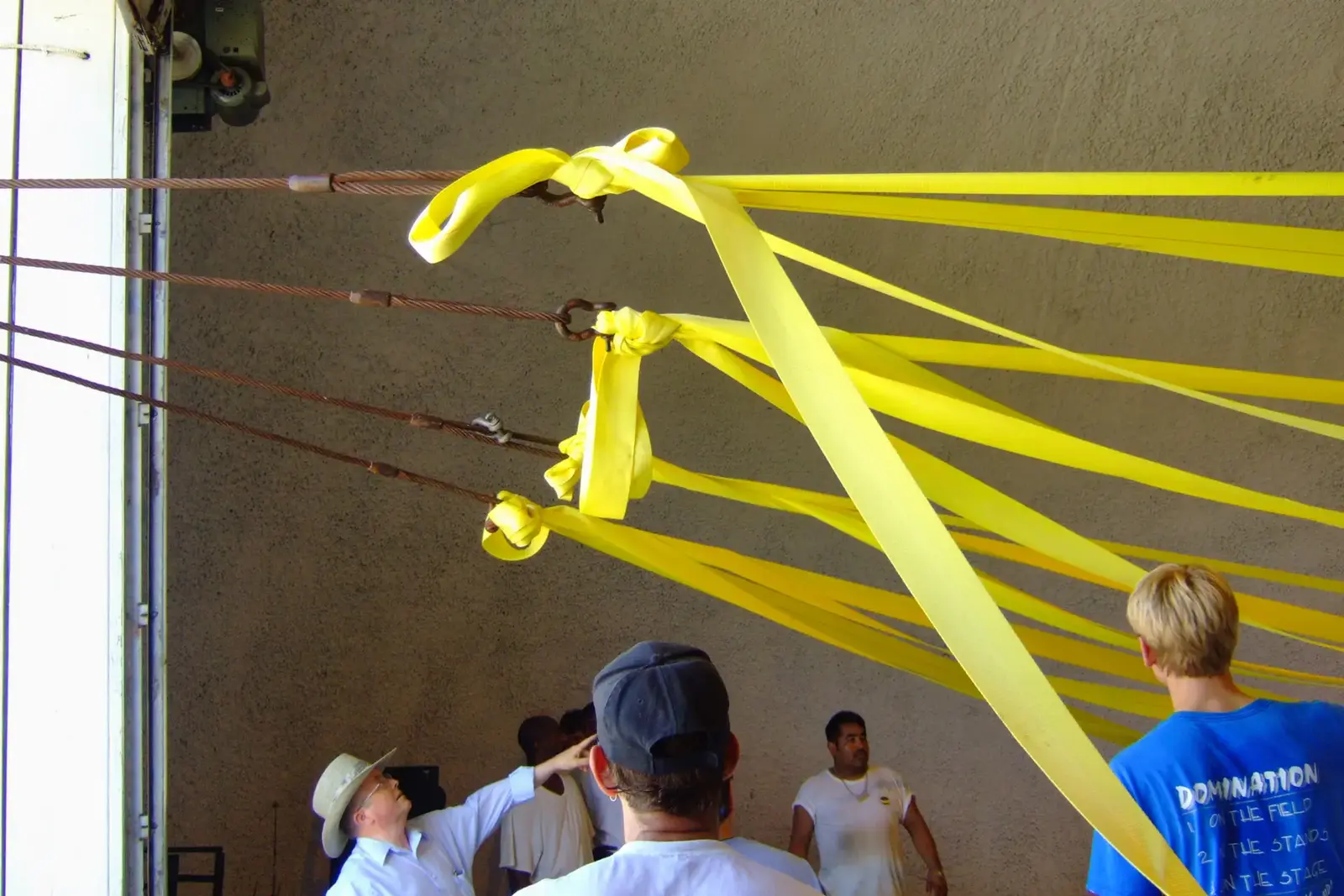
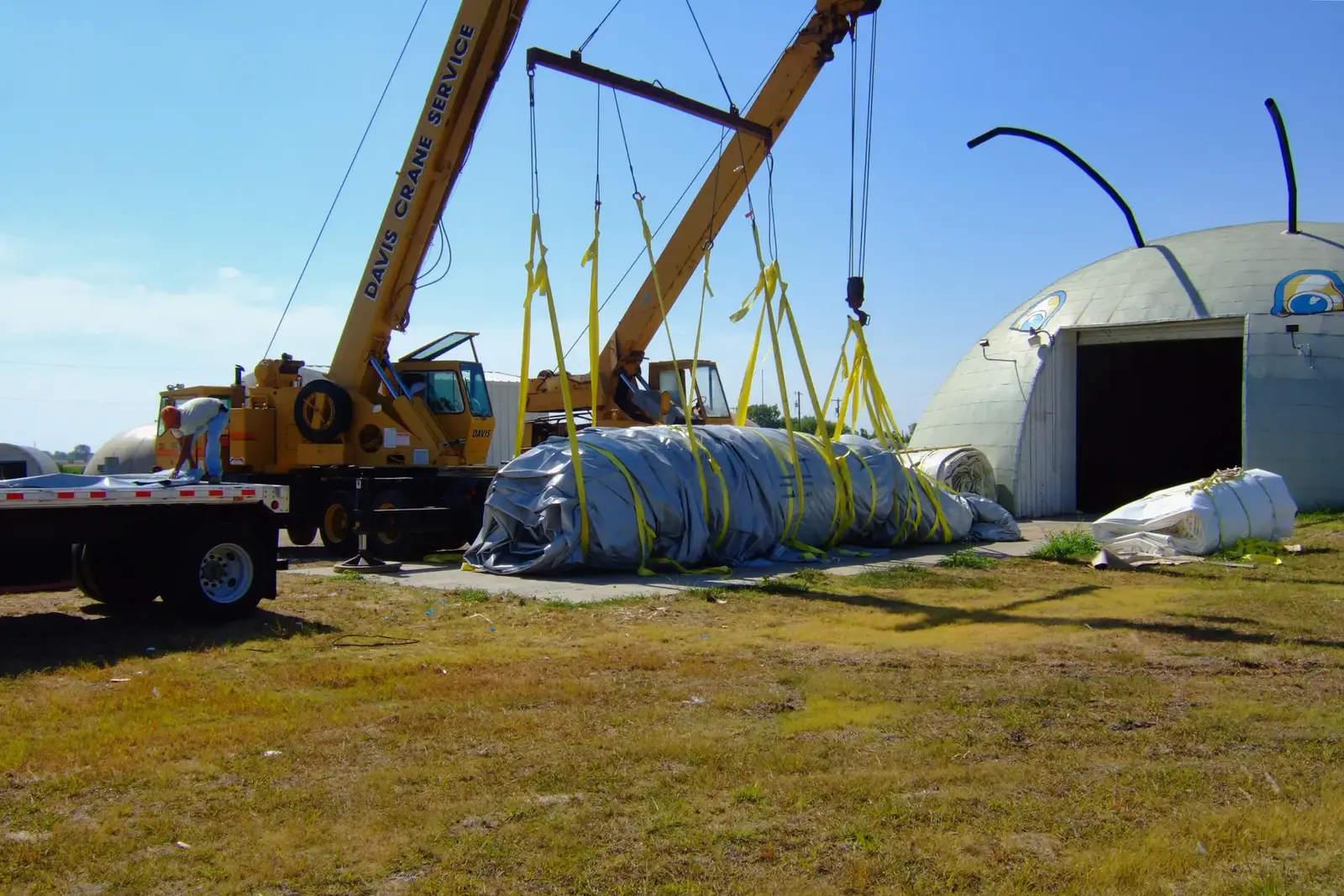
[Left] 2006: David B. South oversees the rolling up of an immense 300’ diameter Airform inside the caterpillar-shaped Airform manufacturing plant in Italy, Texas. [Right] 2006: The caterpillar looks hungry, but the 300-foot-diameter Airform is about to be lifted high in the air by two cranes. Once the Airform is safely off the ground, the semi-trailer will back in underneath, and the shipment will be secured.
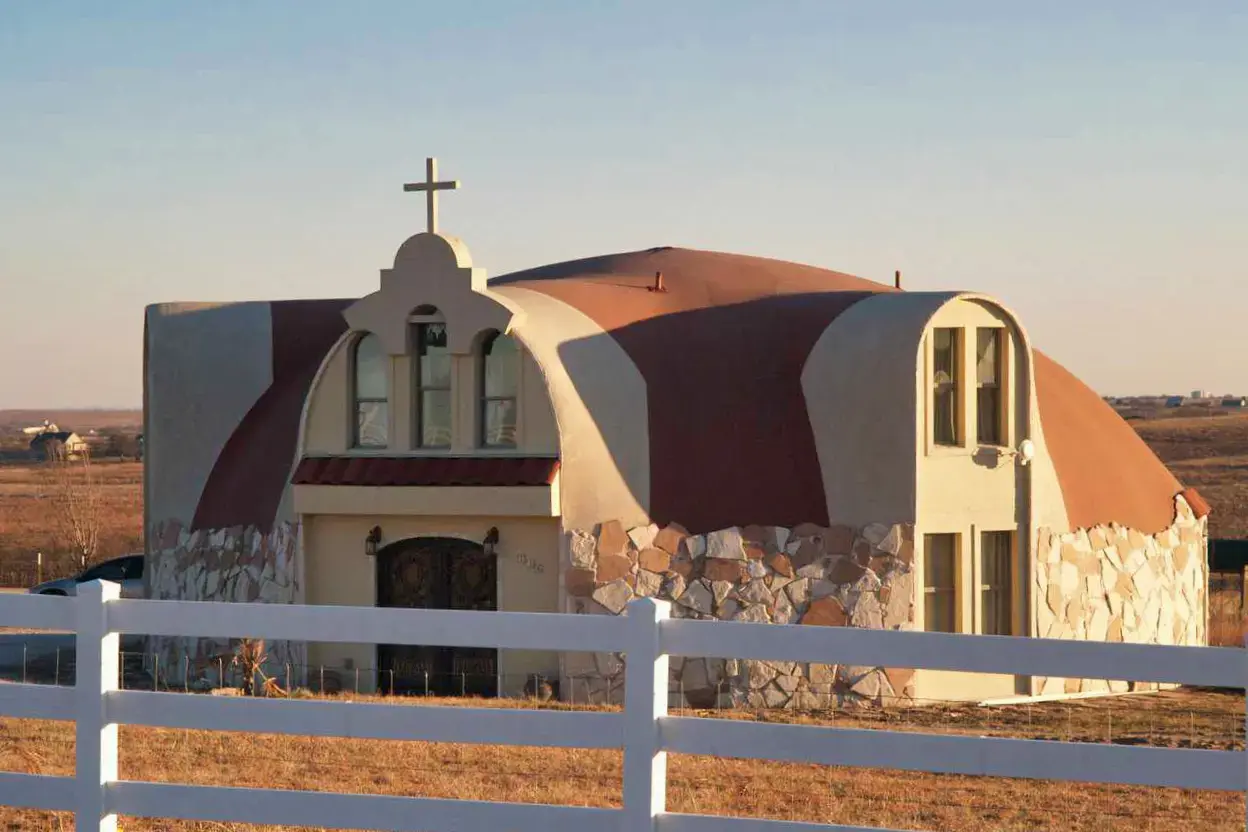
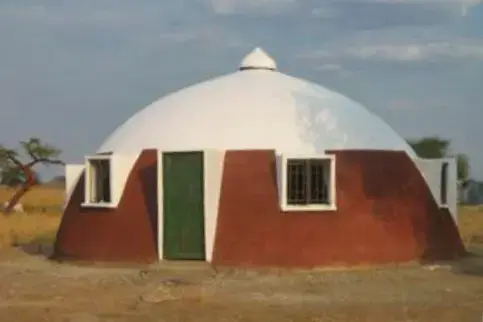
[Left] 2006: A Spanish-style Monolithic Dome home is built in Weatherford, Texas. [Right] 2005: The Domes for the World foundation (DFTW) is formed, and the new organization helps build a primary school with the Southern Sudan Education Project.
Dan Lee / Submitted Media / CC BY 4.0
Kristy Swapp / Monolithic Commons / CC BY 4.0

2007: Ribbon Cutting Ceremony Day in New Ngelepen near the Prambanan Temple complex in Jogjakarta, Indonesia. The playground was designed and built by DFTW’s project superintendent, Wes Haws. Rebecca South, co-founder of DFTW, led the project. Andrew South, President of South Industries and current President of DFTW, handled construction management.
The project was overseen by the World Association of NGOs (WANGO) with funds graciously donated by Mohamed Ali Alabbar, founder of Emaar Properties.
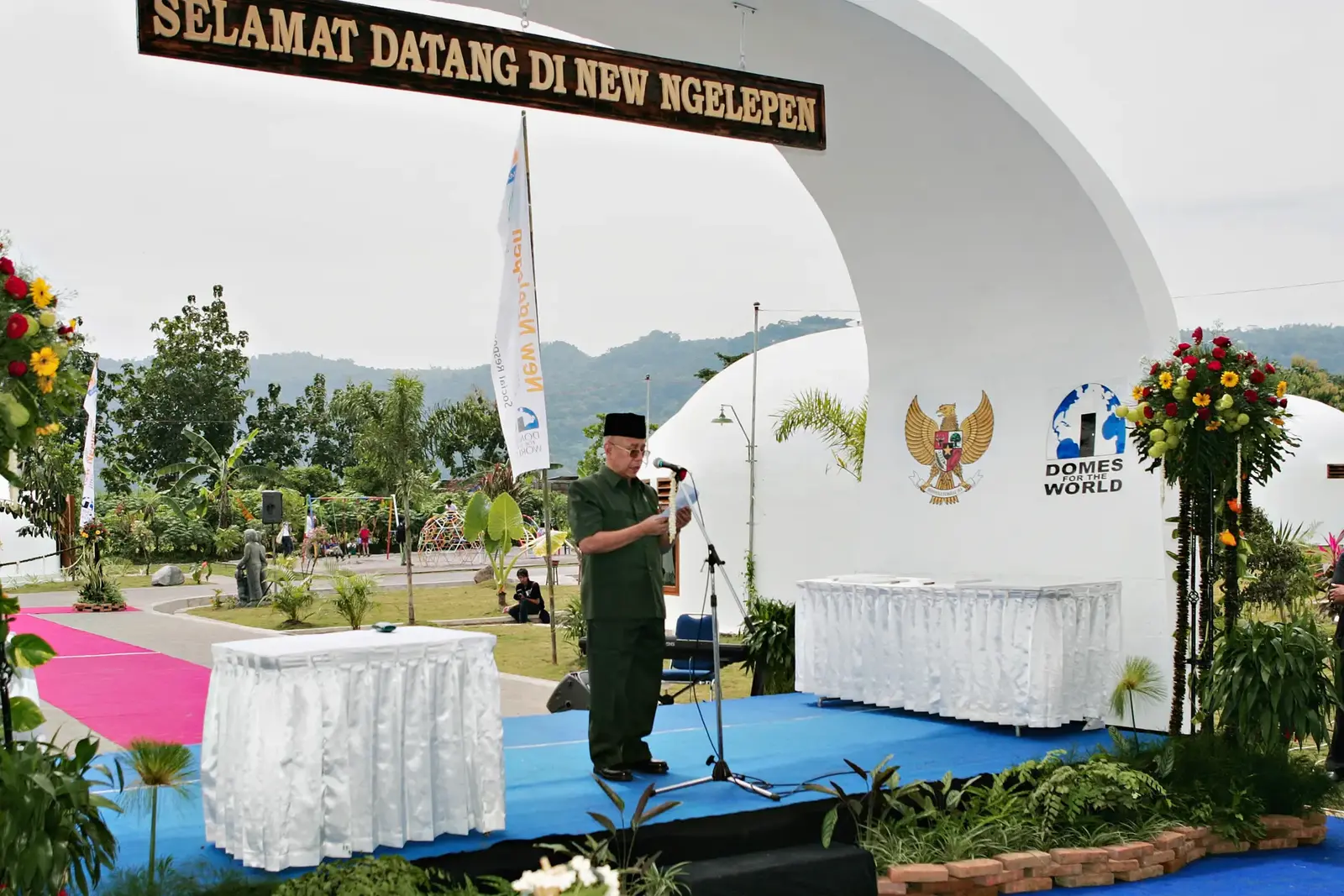
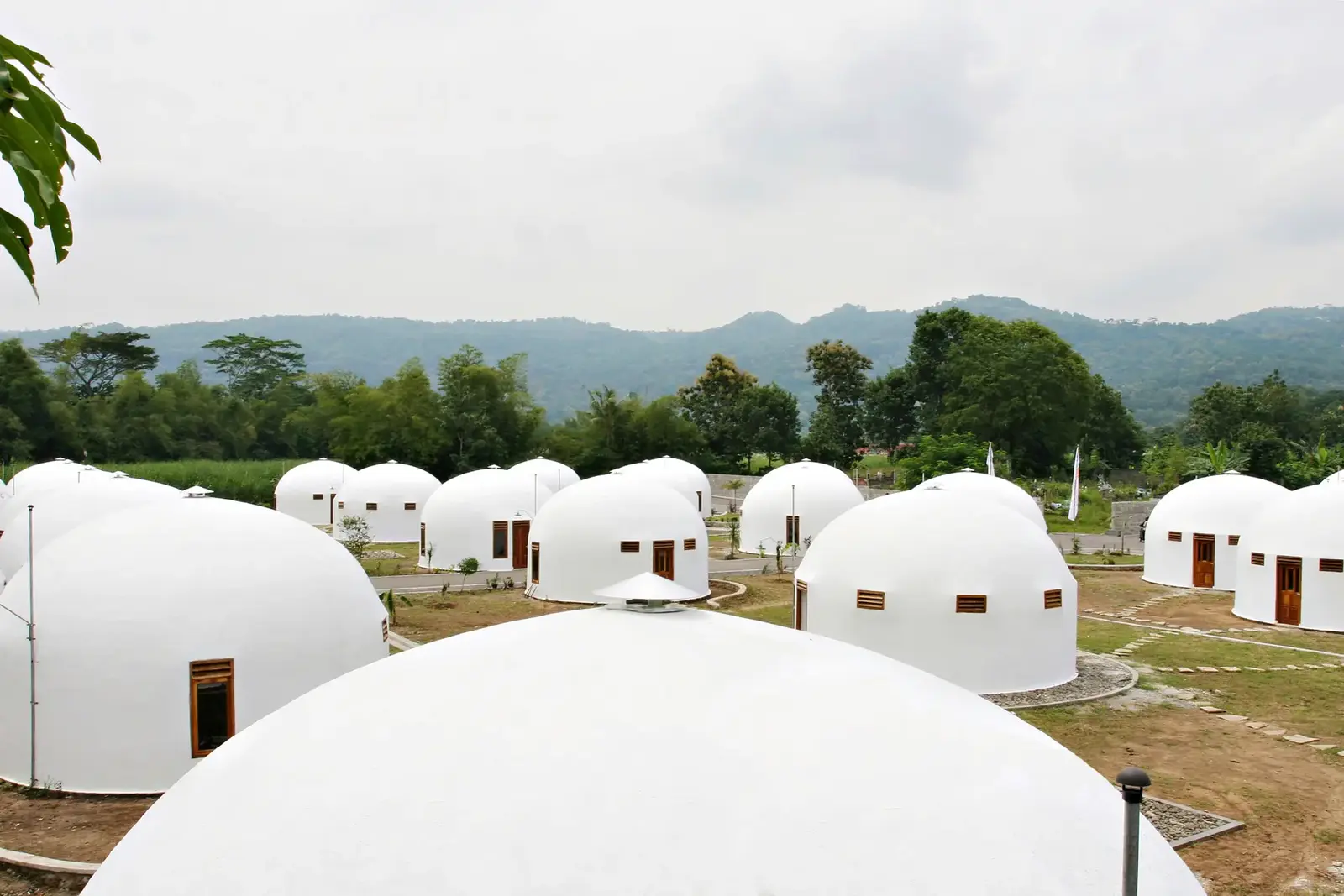
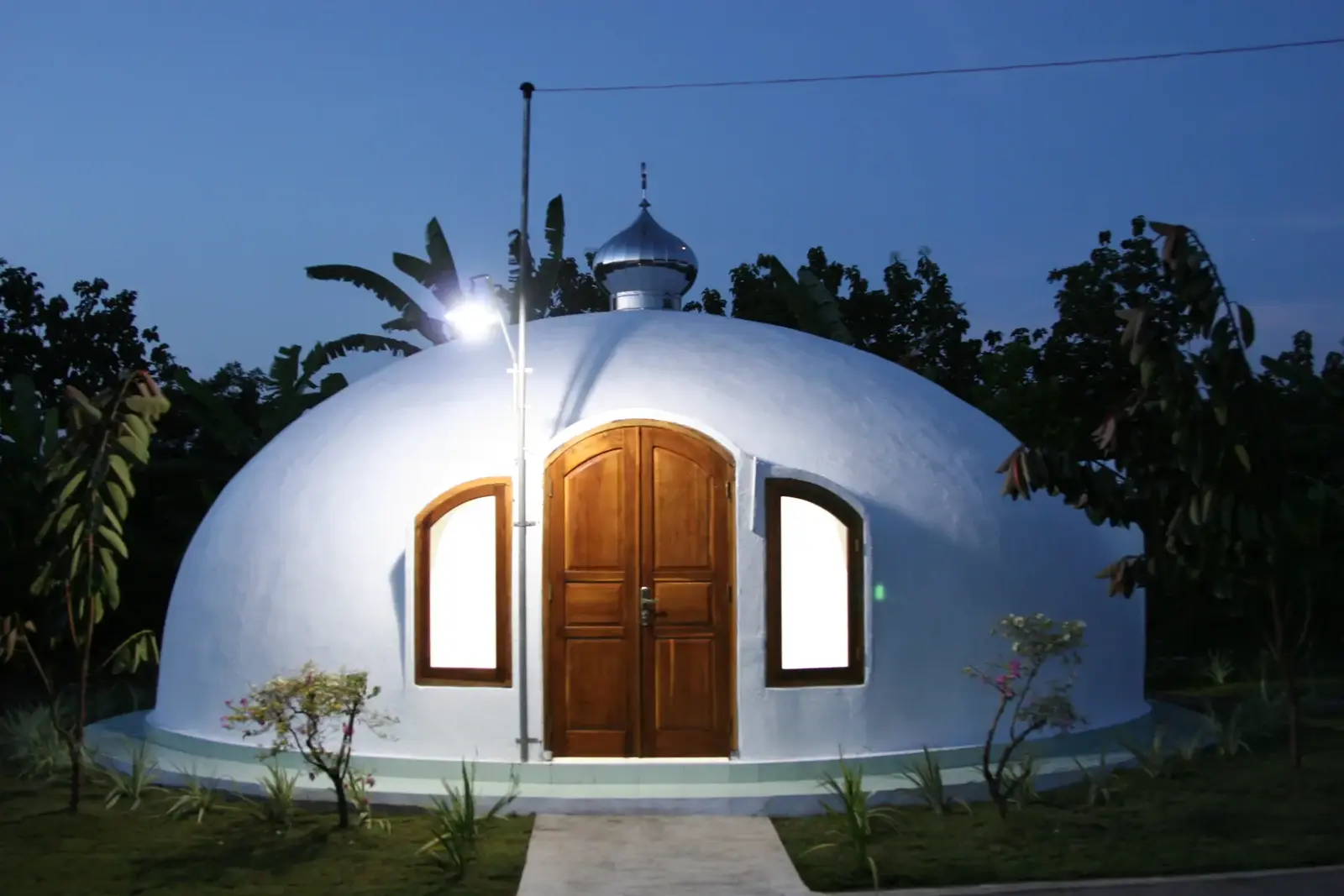
[Left] 2007: The Ribbon Cutting Ceremony for the 72-home project designed by Rick Crandall in Indonesia, built by the Domes for the World foundation (DFTW). [Center] 2007: DFTW’s project scope for the village of New Ngelepen, Indonesia, expanded greatly after saving a large portion of the original budget during the construction of these 72 homes and six communal bathroom/shower/laundry units. [Right] 2007: DFTW used the money saved to pave the village roads, add six potable wells, and construct the mosque shown here, a small medical clinic, a welcoming archway over the village entrance, a primary school, and a playground.
The project leaves behind a company that continues DFTW’s charitable work, building 15 more dome homes across Java.
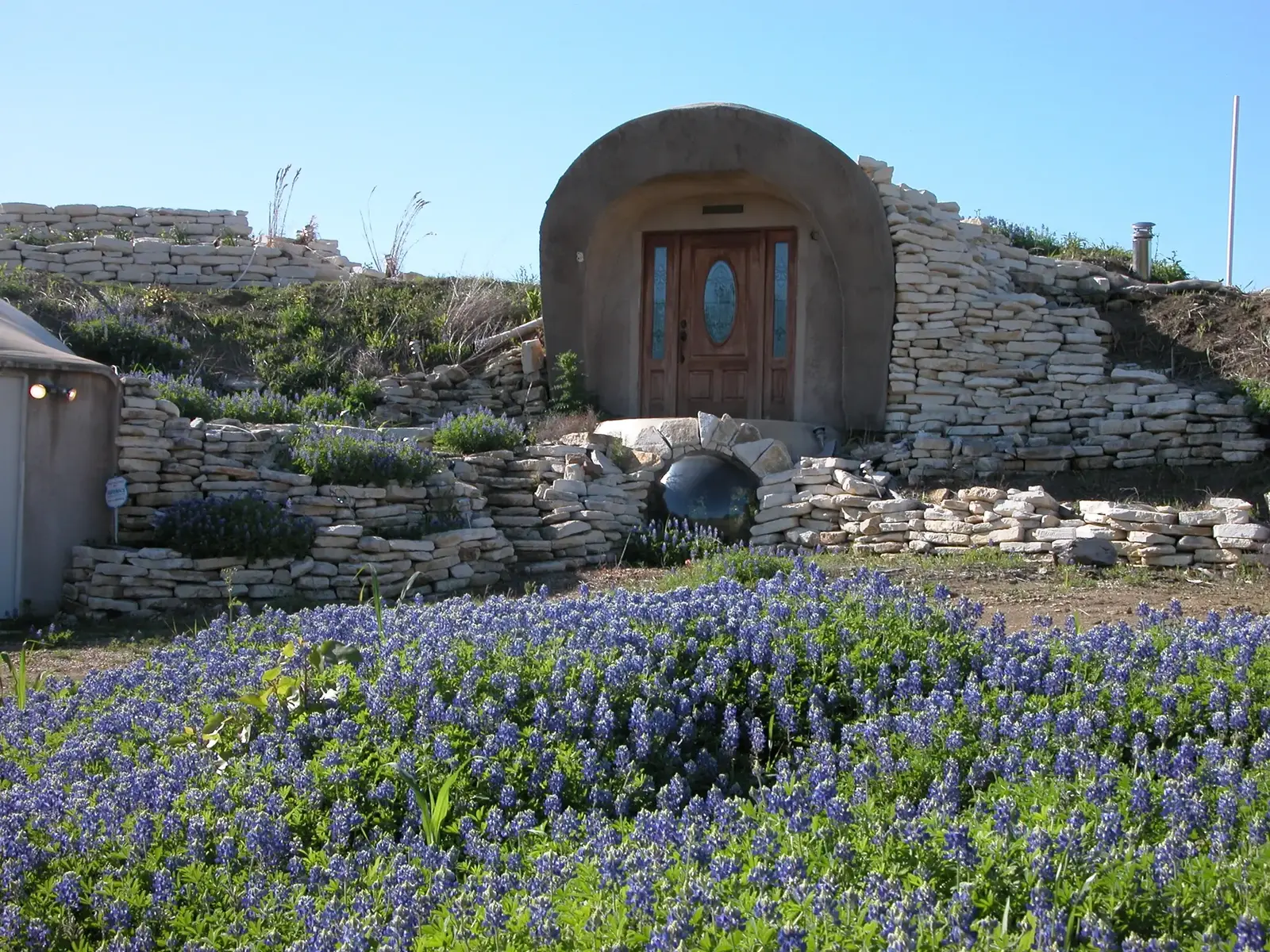
2008: Robot Ranch, a 4,144 square-foot underground Monolithic Dome home, is constructed near Ferris, Texas.
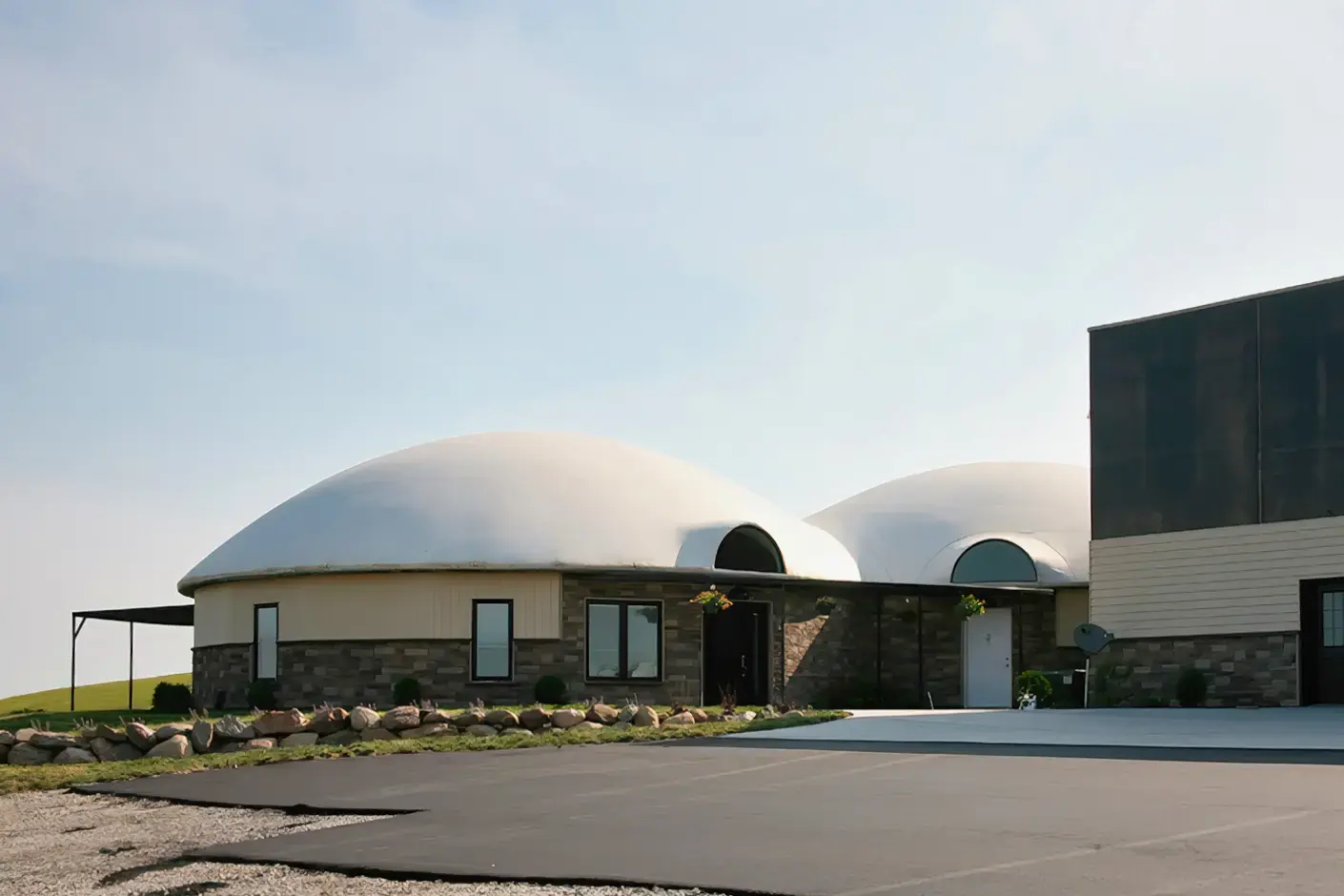
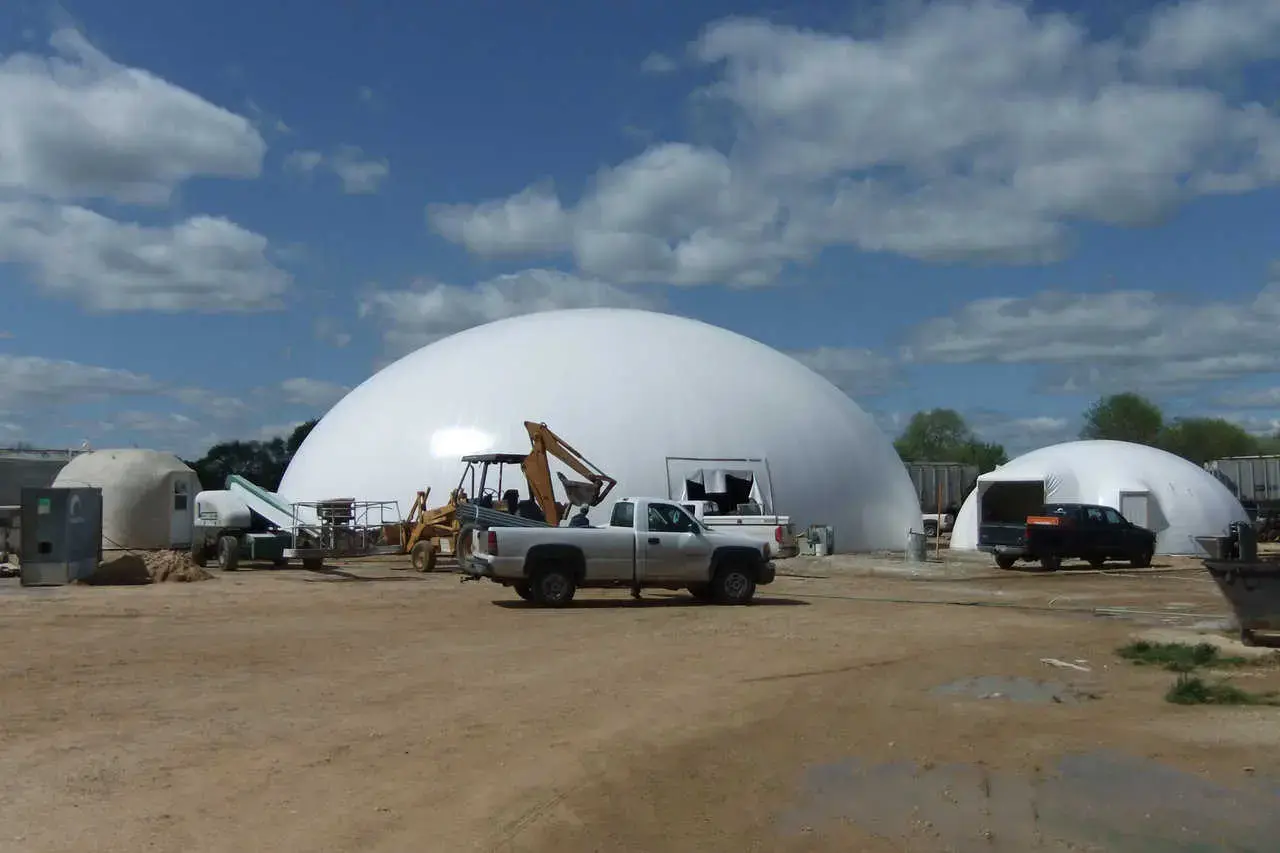
[Left] 2009: This Monolithic Dome home near Hudson, Iowa, is completed. It is a double dome, both domes being 48 feet in diameter and 12 feet tall. [Right] 2010: Monolithic constructs a fertilizer blend plant for Eldorado Chemical, which is almost complete in this photo.
Jay Hansen / Monolithic Commons / CC BY 4.0
Mike South / Monolithic Commons / CC BY 4.0
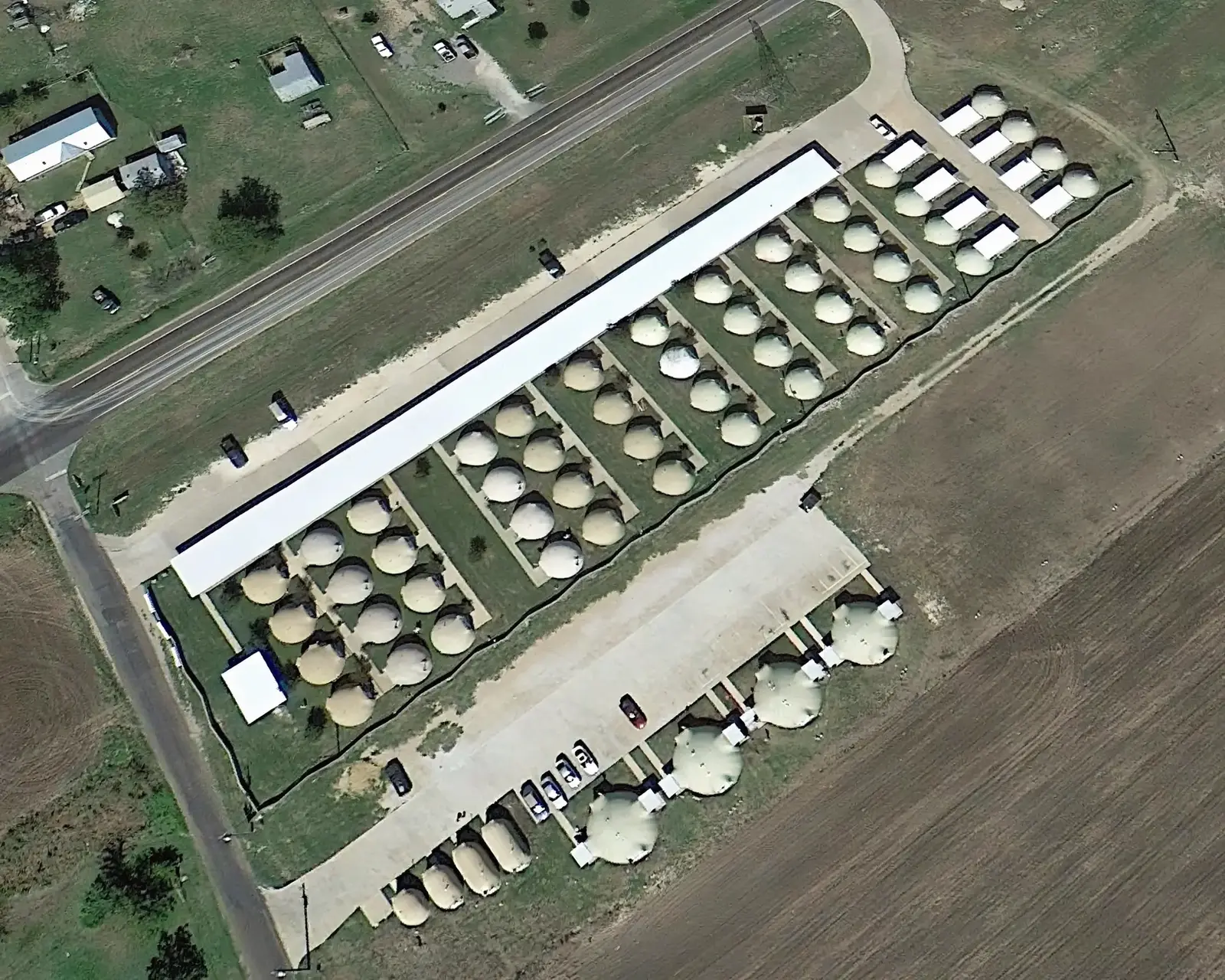
2009: Monolithic’s Monolithic Dome Apartment rental complex at Morgan Meadows near the research park in Italy, Texas, features 48 20-foot-diameter studio rentals and 20 micro-studios.
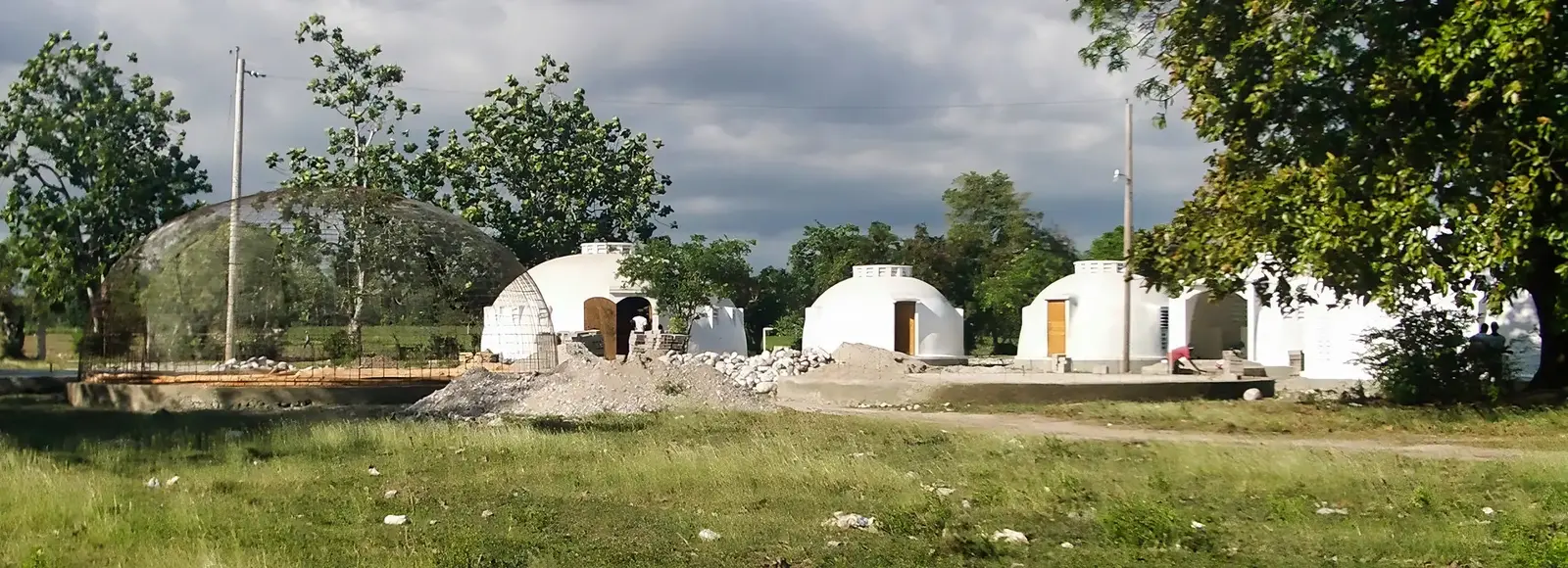
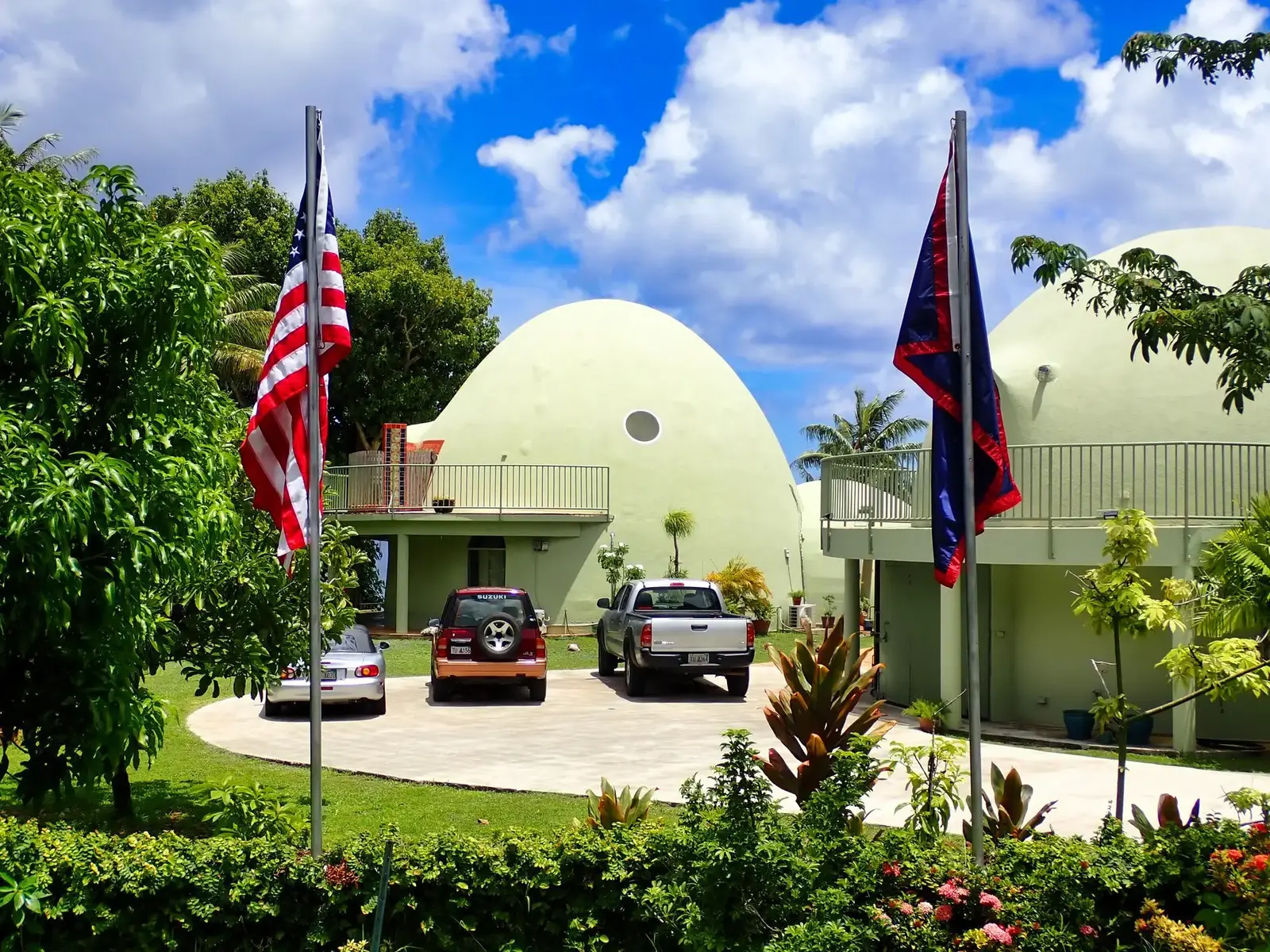
[Left] 2011: One year after the devastating earthquake of 2010 left Haiti with untold damage, Andrew South, President of DFTW and South Industries, and foreman, Wes Haws, build this small group of domes at the campus of an outreach center in Haiti. [Right] 2012: Monolithic ships the Airforms for Tasi Dome, a Monolithic Dome home located on the island of Guam.
Overture International / Monolithic Commons / CC BY 4.0
Linda Tatreau / Monolithic Commons / CC BY 4.0
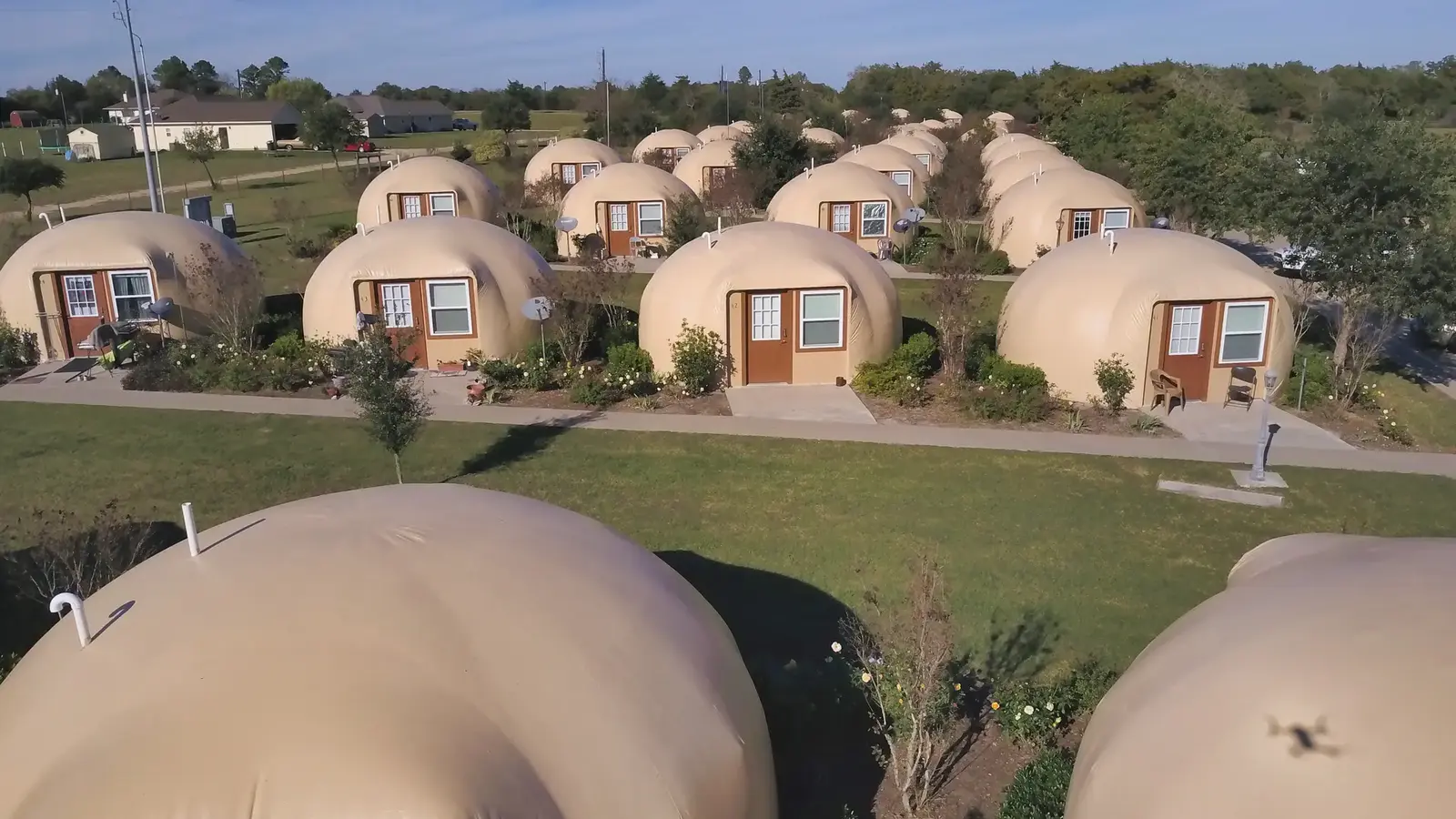
2012: Kevin McGuckin, a graduate of the 2005 Monolithic Dome Builders Workshop, and his partner, Hannah Mallon, complete construction of this Monolithic Dome studio apartment complex, which has 48 20-foot-diameter units.
Hannah Mallon and Kevin McGuckin / Monolithic Commons / CC BY 4.0
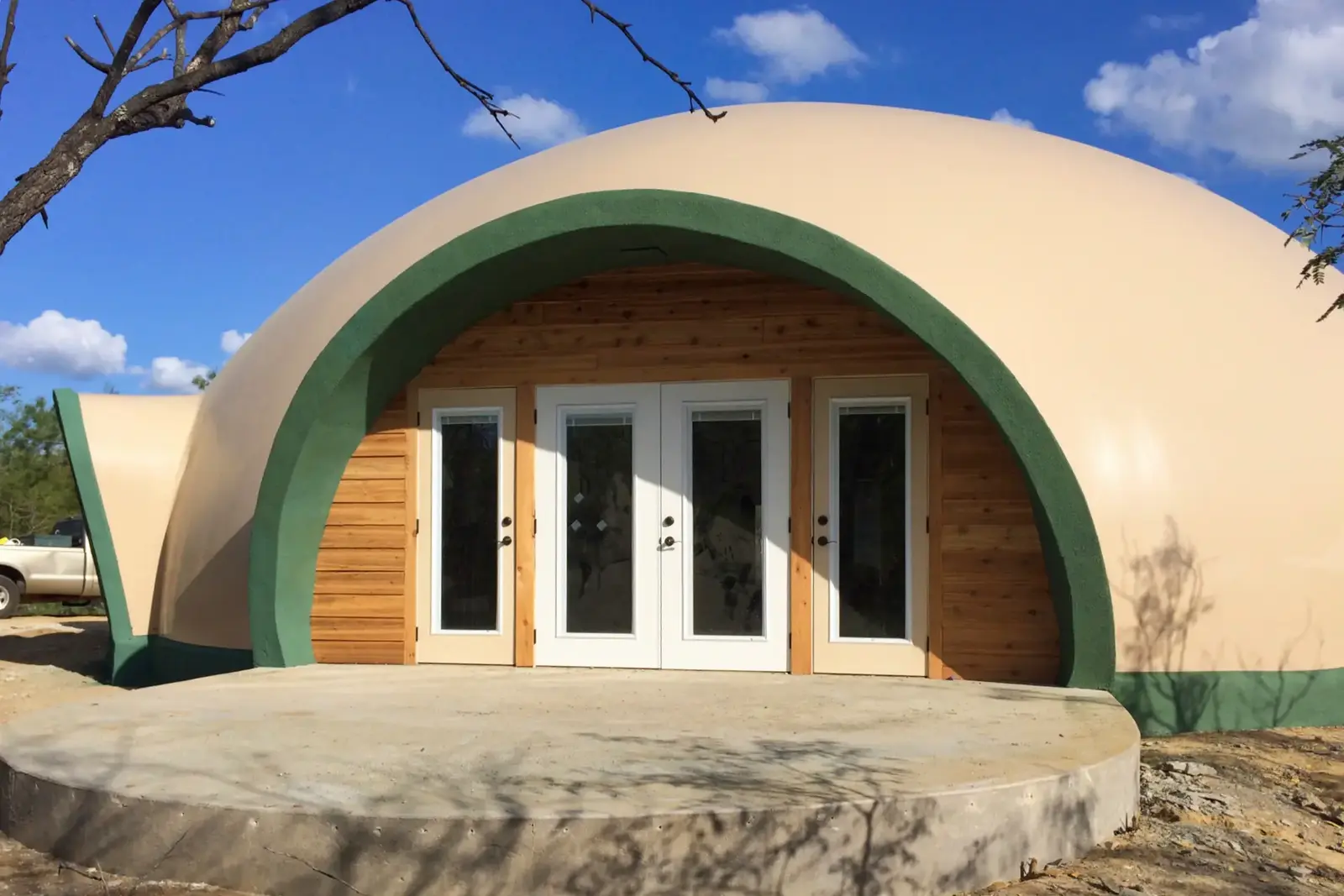
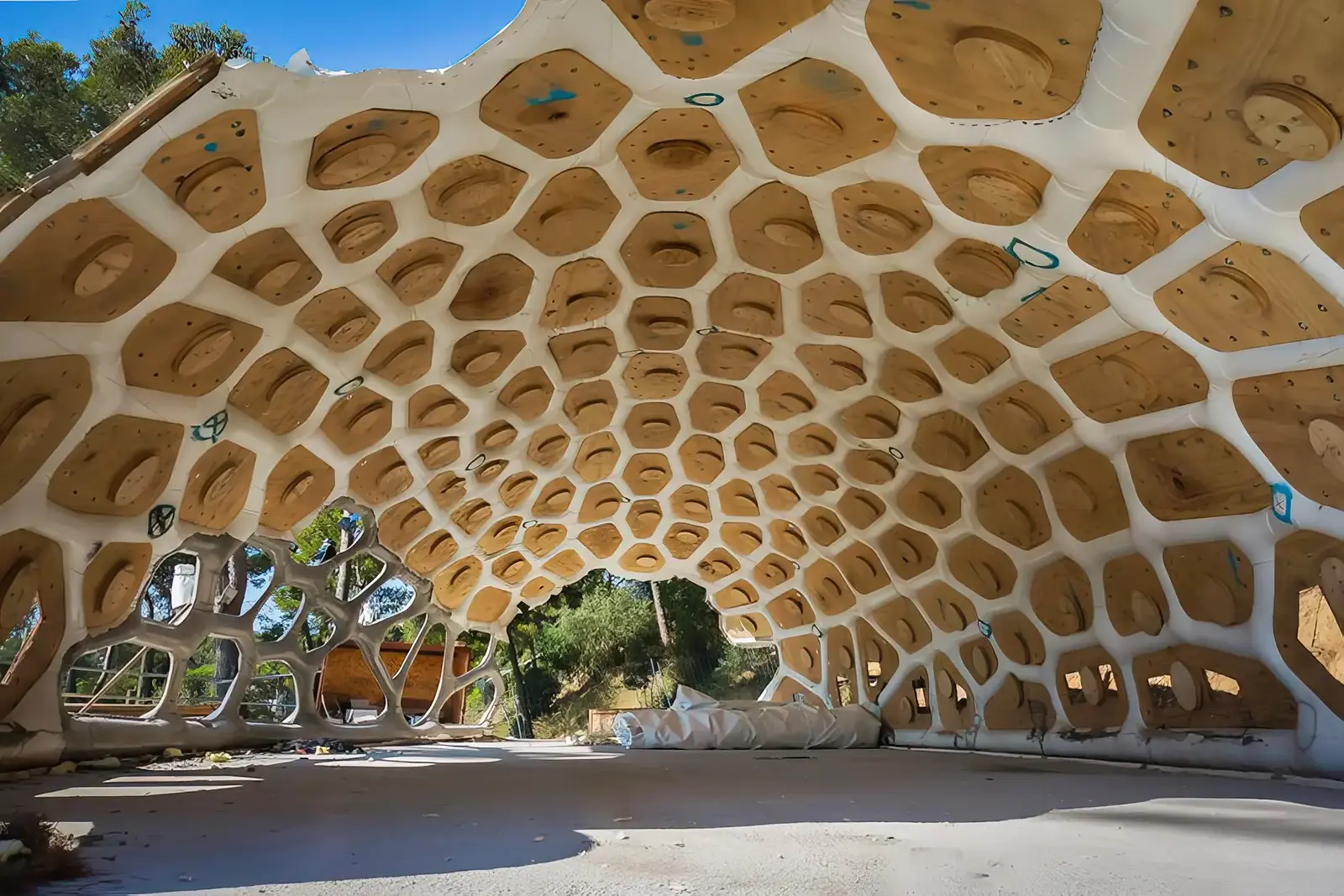
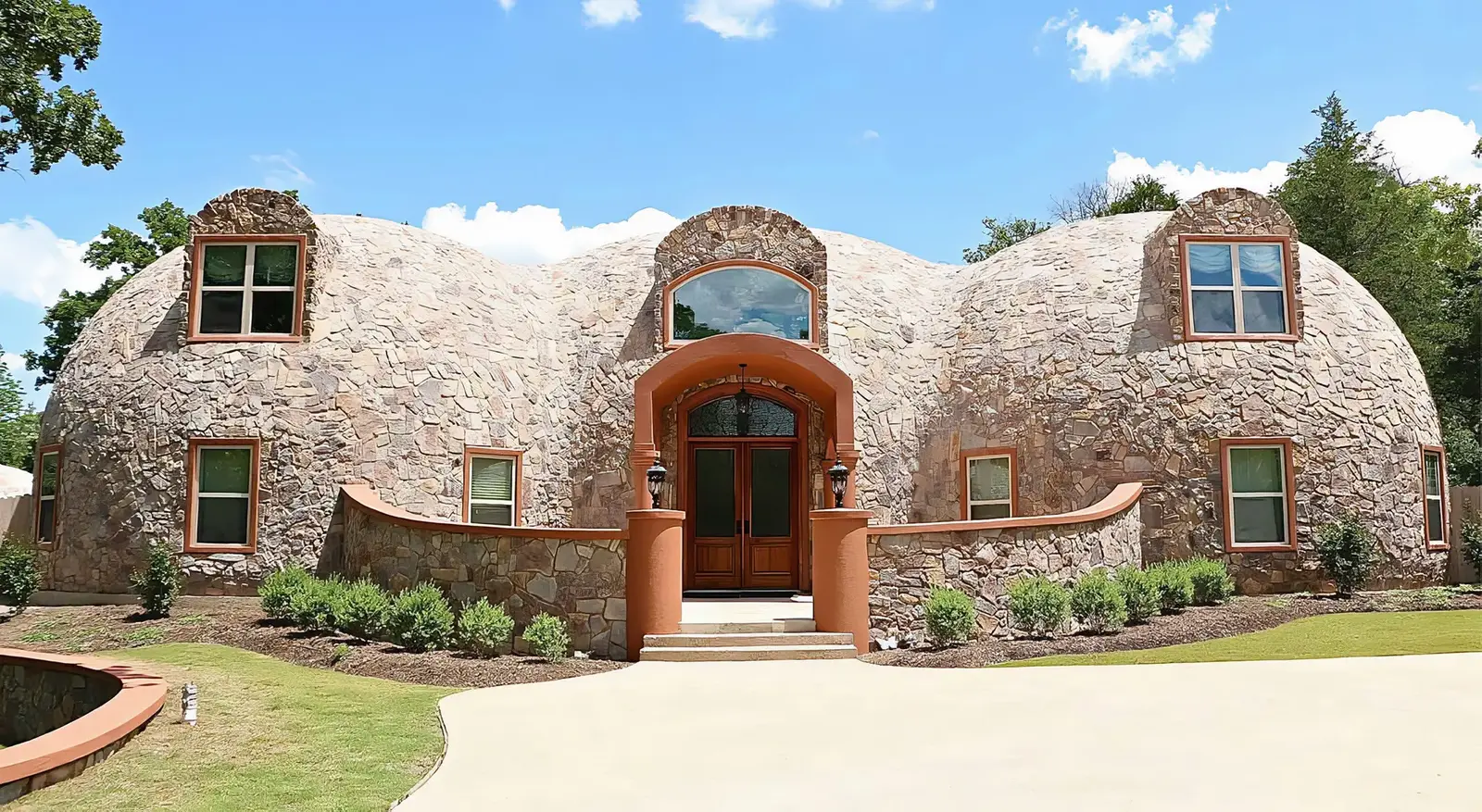
[Left] 2013: This 50-foot-diameter dome home near Tehuacana, Texas, is constructed with inset augments over the windows and doors. [Center] 2014: Monolithic ships an Airform to Spain where an engineering art student named Wen Han uses it to create this art installation. [Right] 2014: The Whiteacre Residence is constructed and the exterior veneered with stone.
Mike South / Monolithic Commons / CC BY 4.0
Wen Han / Monolithic Commons / CC BY 4.0
Barry Byers / Monolithic Commons / CC BY 4.0
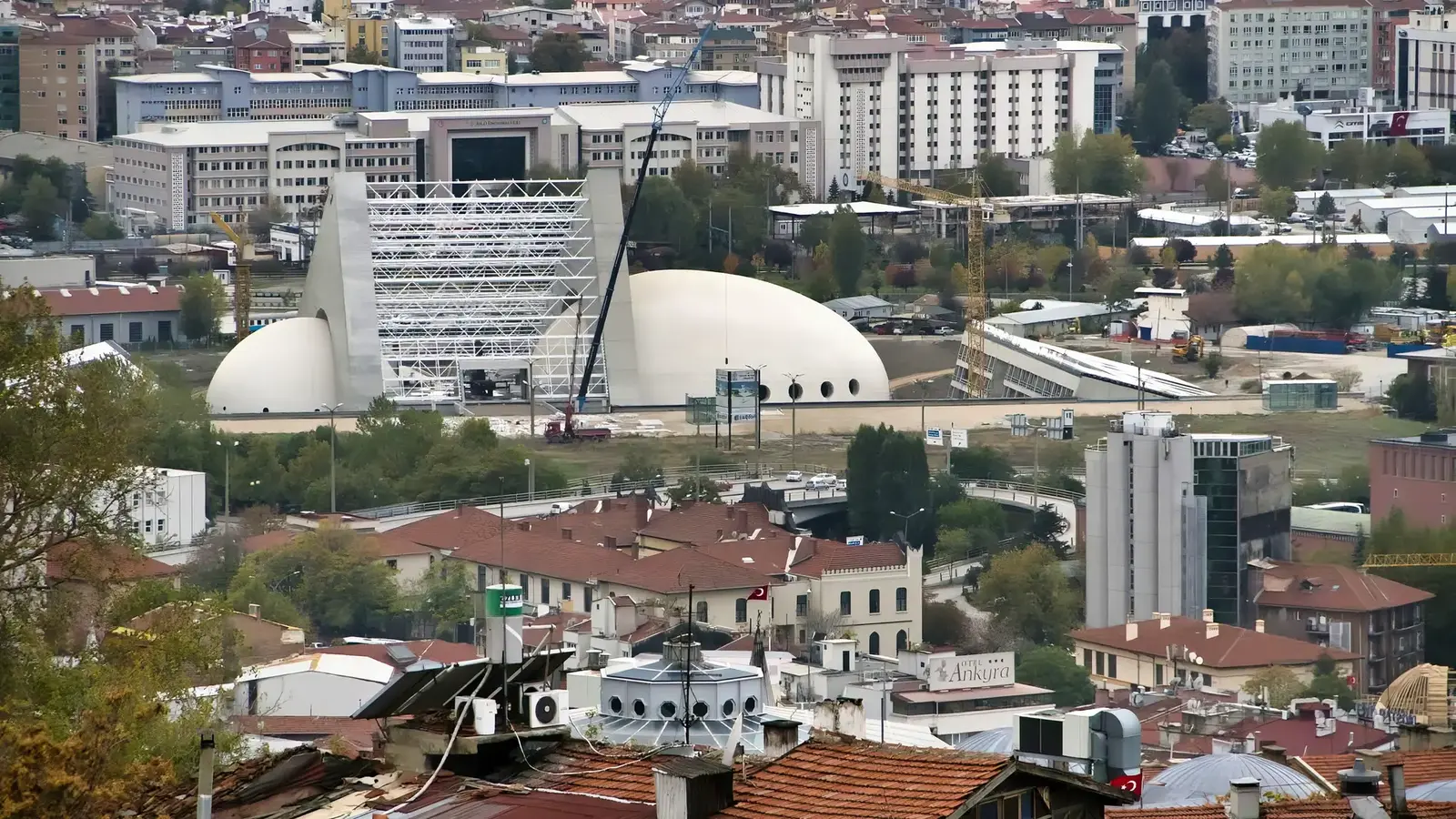
2014: Monolithic’s crew travels to Turkiye to build two domes for Turkiye’s new Presidential Symphony Orchestra Concert Hall in the capital city, Ankara.
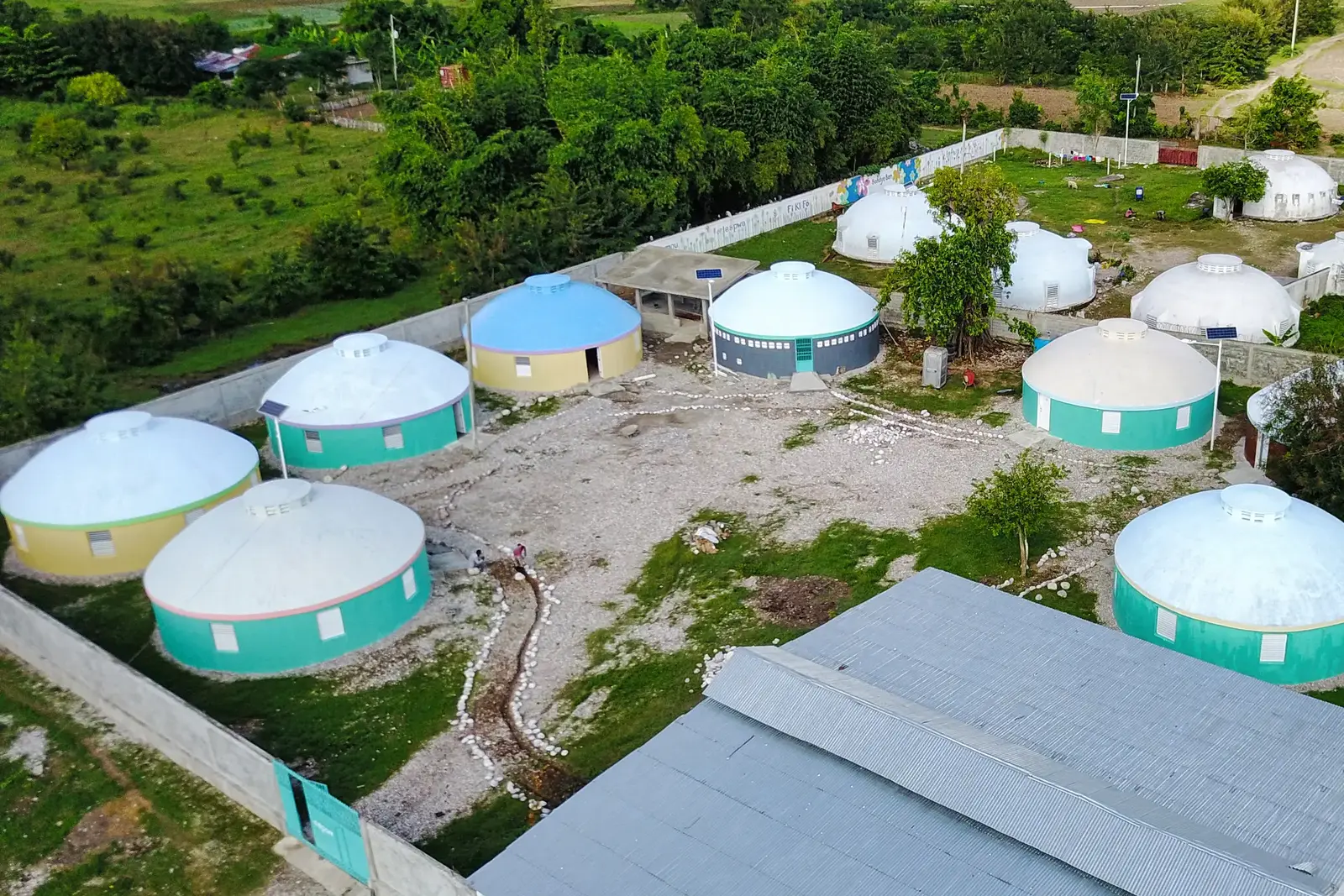
2014: DFTW continues to help expand Overture International’s outreach center in Haiti.
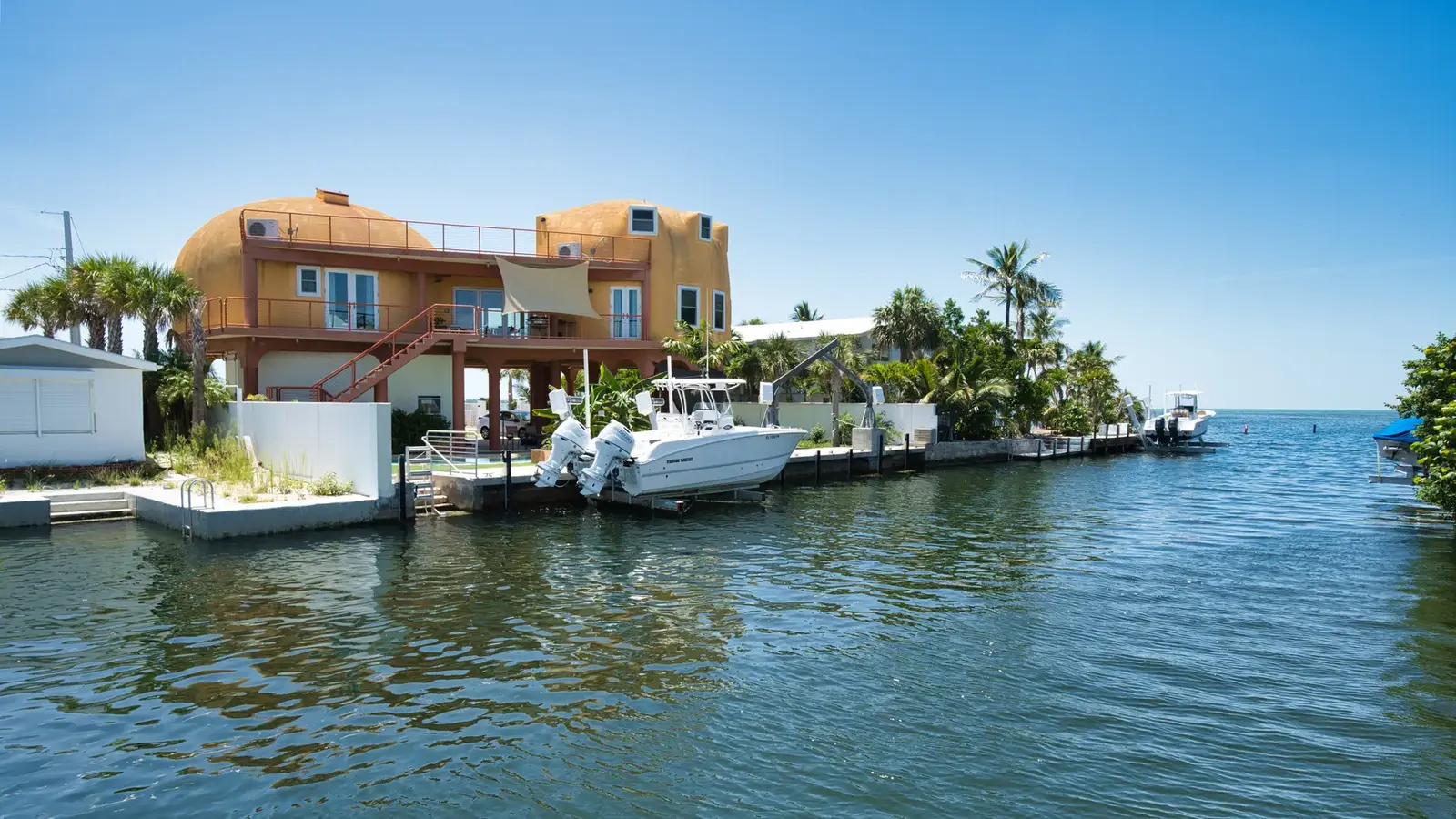
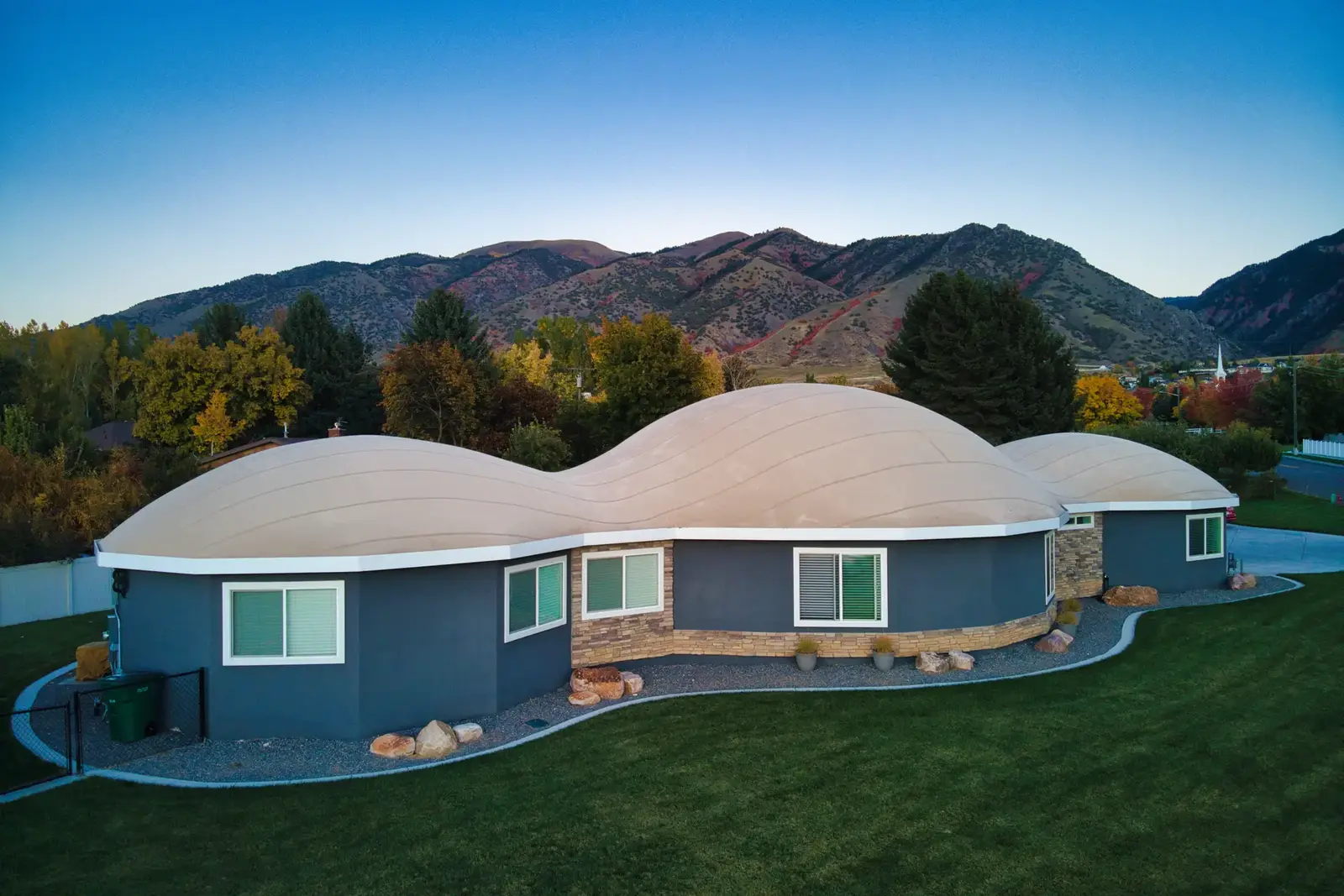
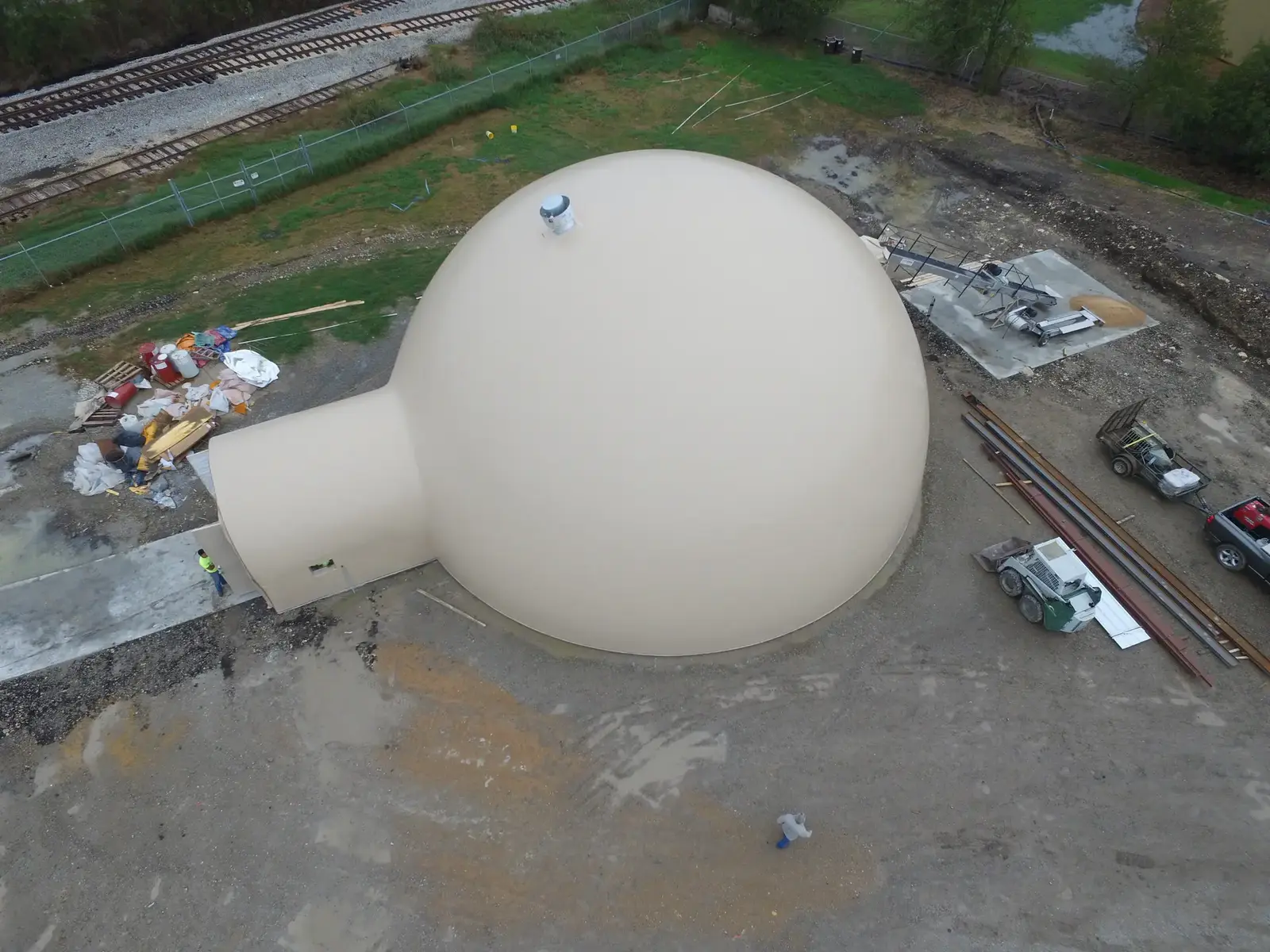
[Left] 2015: Paul Tinsley’s dome home in Cudjoe Key, Florida, has survived three hurricanes so far. [Center] 2016: Jennifer and Dave South, VP of Monolithic, build their dream home, Arcadia Dome in Providence, Utah. [Right] 2016: Construction of this Ammonium Nitrate storage is fully funded by a neighboring apartment complex. It is small, holding just 1000 tons of the product but it is mighty. Monolithic Domes are the safest, most cost-effective way to store ammonium nitrate.
Rob O'Neal / Monolithic Commons / CC BY 4.0
Dave South / Monolithic Commons / CC BY 4.0
Mike South / Monolithic Commons / CC BY 4.0
2016-2026
The fifth decade of domes brings a rhythm and sense of longevity to the Monolithic Dome Industry as a whole. It is impossible to account for every Monolithic Dome built in just the last ten years, but we know the number is double or triple that of the previous decade. There are now around 50 Monolithic Dome Safe Rooms built with FEMA grant money and at least that many more schools, churches, gyms and community disaster shelters built with local and state funds. Monolithic Dome homes number in the hundreds. At Monolithic, we built 17 new dome homes in 2024 alone. Domes continue to dominate the bulk storage industry. Thousands of Monolithic Domes now dot the globe.Many things change between 2016 and 2026. In 2015, David B. South is diagnosed with Alzheimer’s and officially turns over Monolithic to his sons, Dave and Mike South, and his son-in-law and long-time friend, Gary Clark. In 2019, David loses his wife, Judy Lynne. She was the undisputed matriarch of the Monolithic Dome and David’s lifelong companion. Losing her takes its toll. Just eighteen months later, David passes away in his Monolithic Dome home surrounded by his family. On a sunny afternoon during the summer of 2020, I don a mask and sit with my dad on the patio of Charca Casa overlooking his beloved pond. He is lucid and asking me, “Have I done enough?” I do my best to assure him he has done more than enough and that he should rest easy in the knowledge that the Monolithic Dome industry he loved so much will survive, even thrive, long after all of us are gone. The last 50 years of Domes have meant everything to those of us here at Monolithic who have been here to enjoy the ride. My dad and his brothers created the industry, but we were raised in it. Last year, we finished an exterior renovation of Bruco, Dad’s pet caterpillar-shaped manufacturing plant. It symbolizes Monolithic’s intention to honor the past while looking forward to a bright, exciting future with all of you.
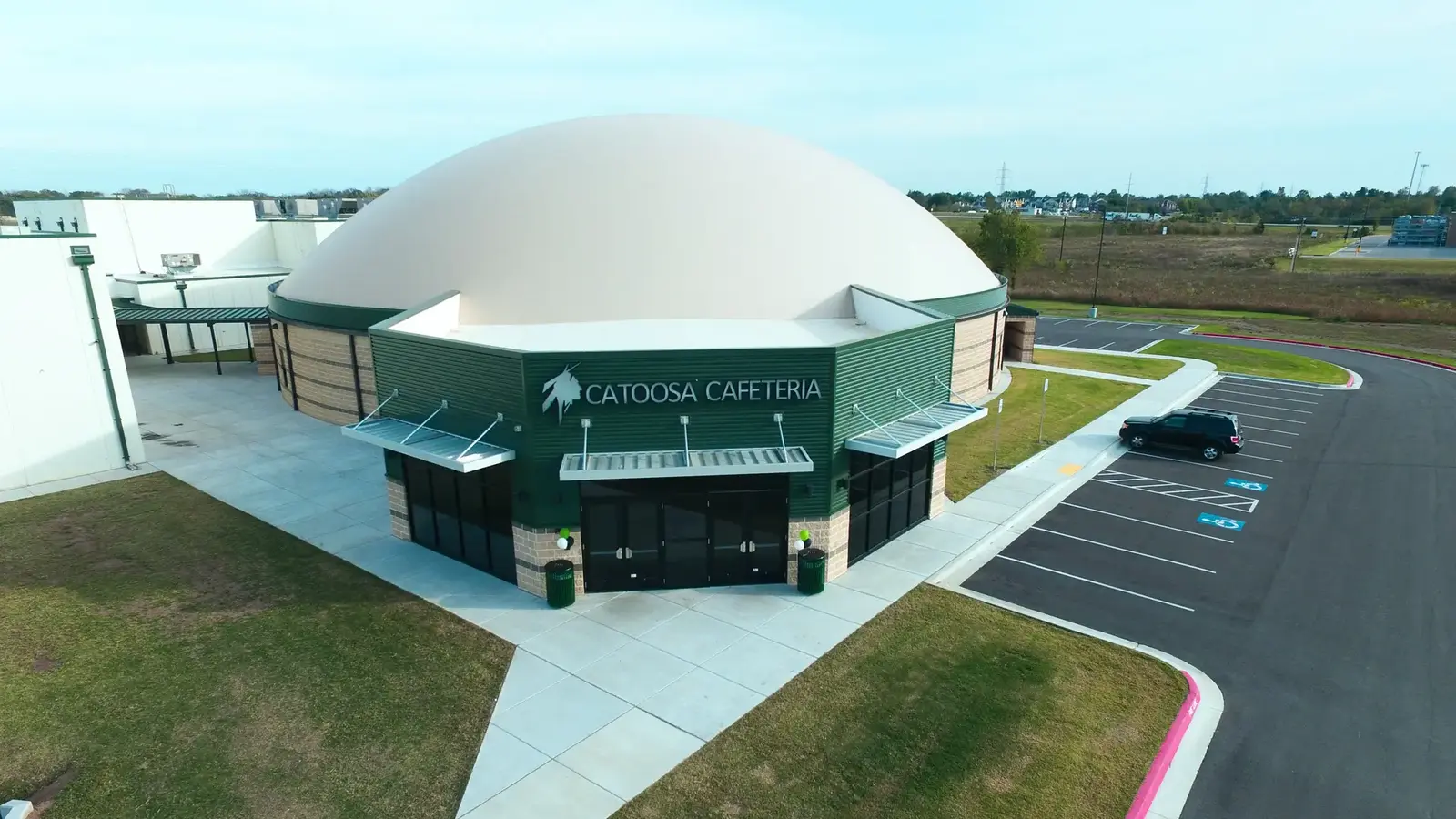
2016: Monolithic completes construction of Wells Middle School’s FEMA-funded cafeteria dome, which doubles as the school’s tornado shelter.
As of 2026, FEMA grant money has helped fund upwards of about 50 Monolithic tornado-safe rooms. These Monolithic Domes are used year-round as schools, gymnasiums, community centers and more.
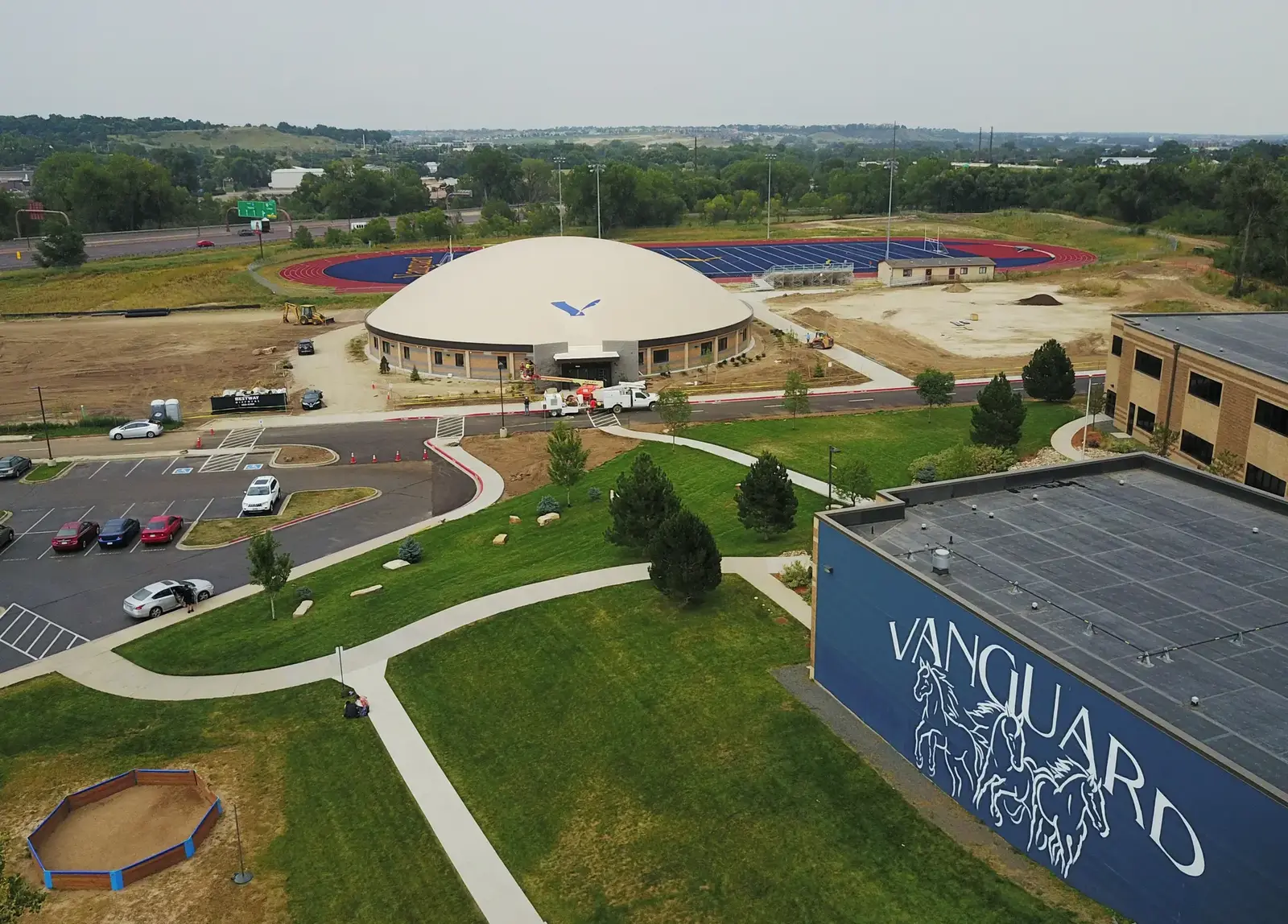
2017: Vanguard Junior High School hosts a ribbon-cutting ceremony for its new Monolithic Dome school with its logo printed onto the Airform by Monolithic in Texas.
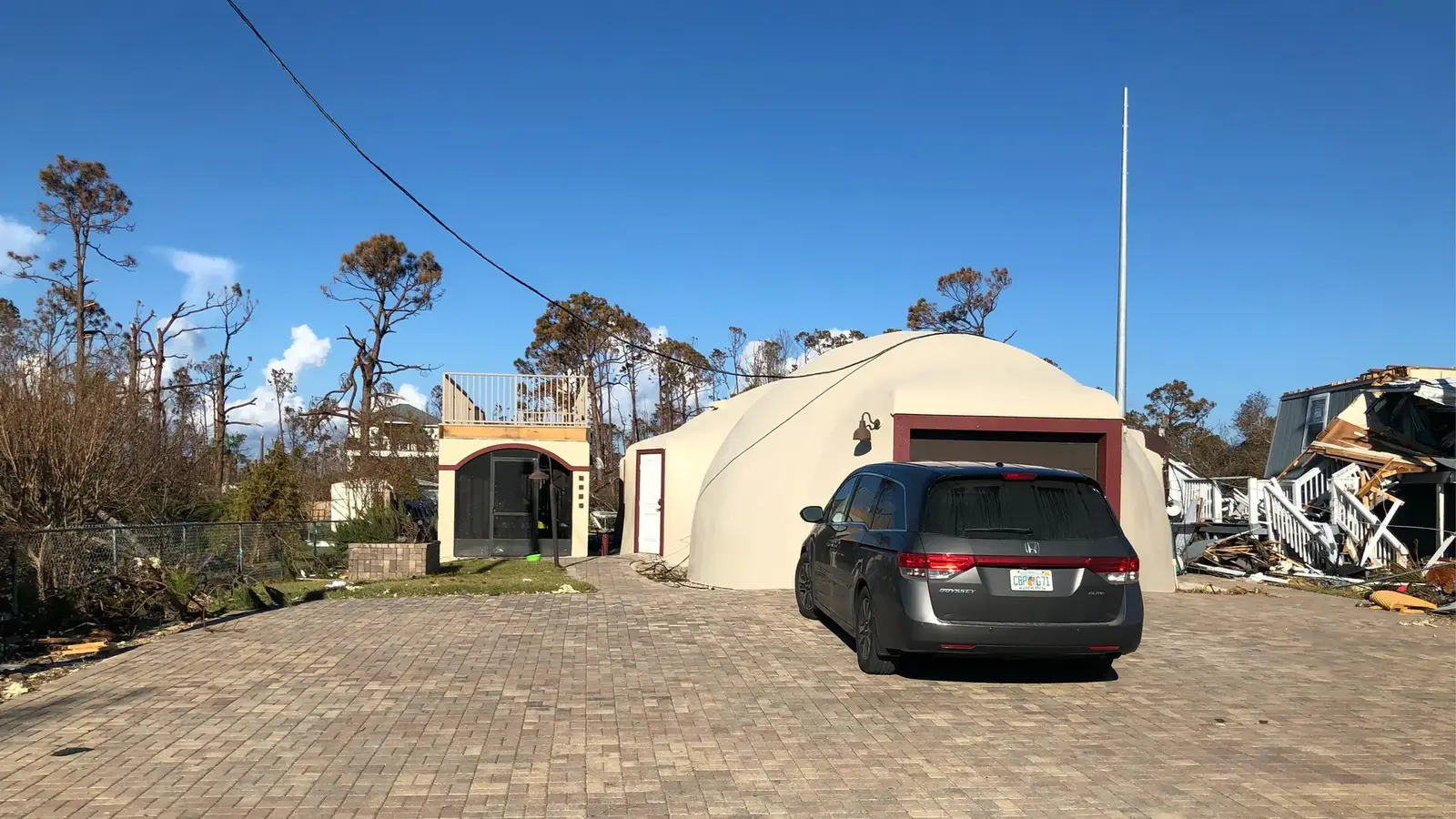
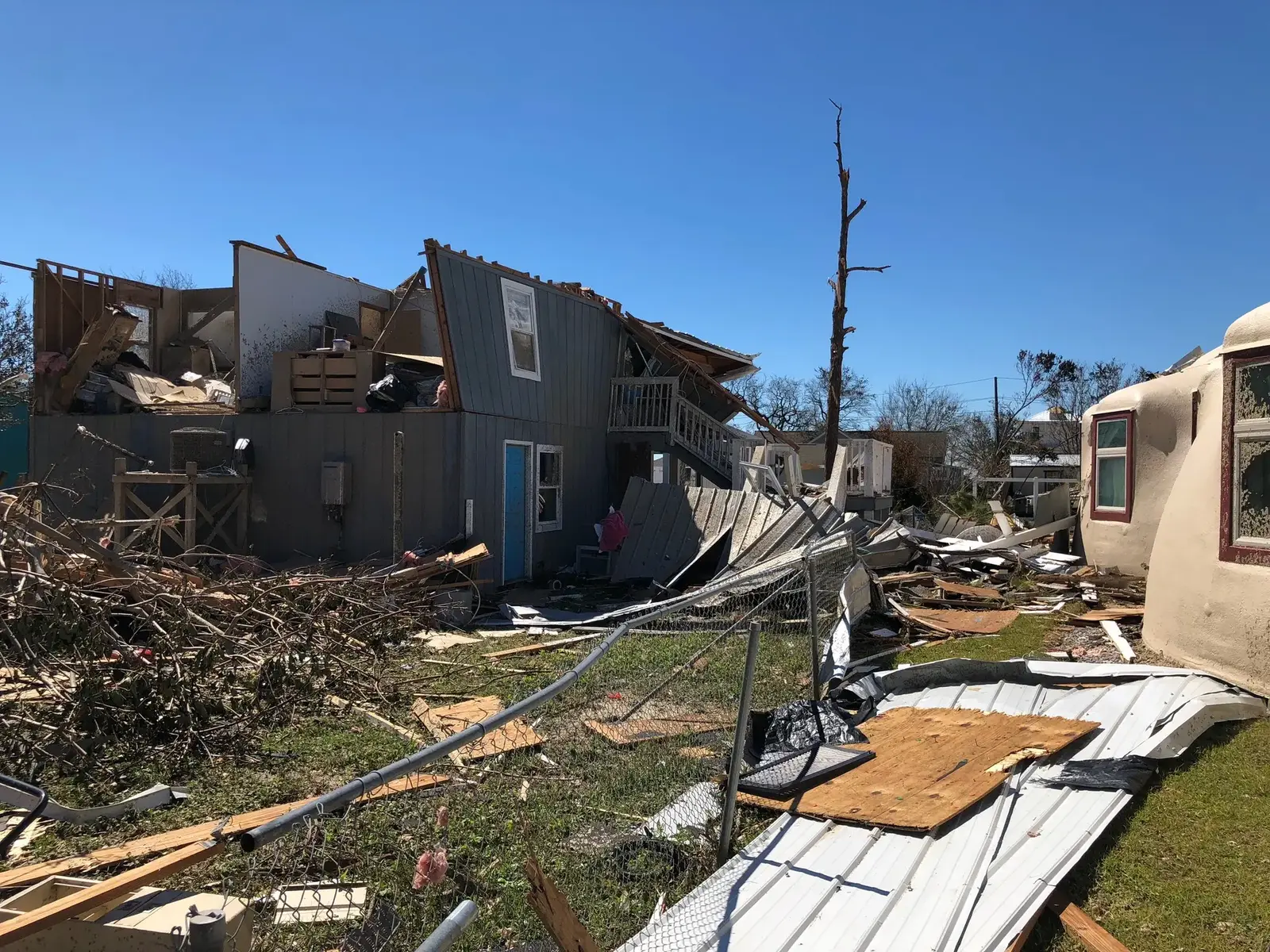
[Left] 2017: Golden Eye, a Monolithic Dome home in Florida, sails through Hurricane Michael. [Right] 2017: Margaret Clayton shares her story about riding out Hurricane Michael in her Monolithic Dome home, saying, “Living in a dome is a dream!”
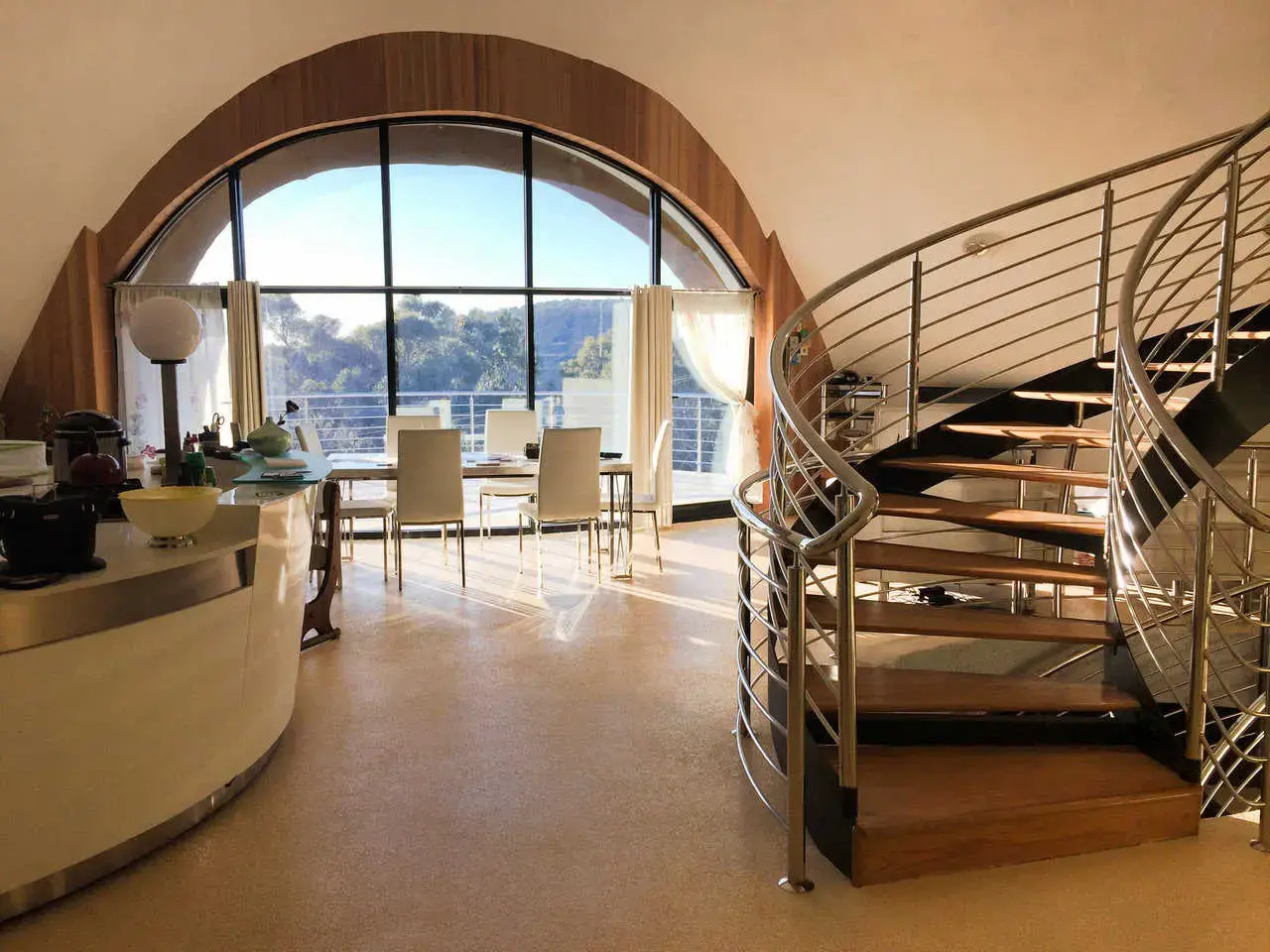
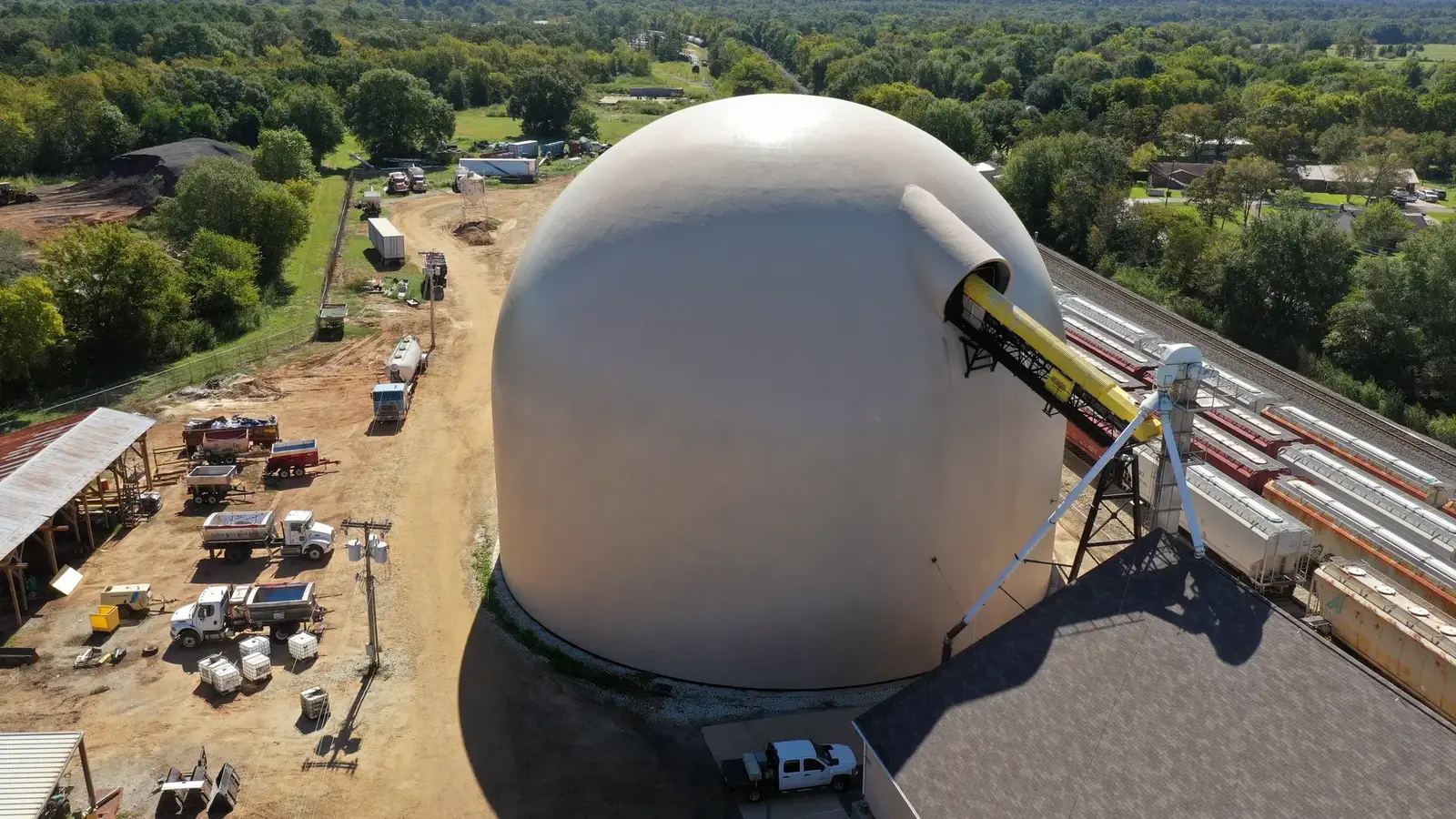
[Left] 2018: The mid-century-style interior of this Monolithic Dome home in Australia is complete. [Right] 2019: Elkhart, Texas, another industrial Monolithic Dome is designed and built by Monolithic. The 20,000-ton Ammonium Nitrate storage facility features a unique element: the conveyor belt enters the dome through a horizontal tunnel near the dome’s apex.
Adrian Adams / Monolithic Commons / CC BY 4.0
Mike South / Monolithic Commons / CC BY 4.0
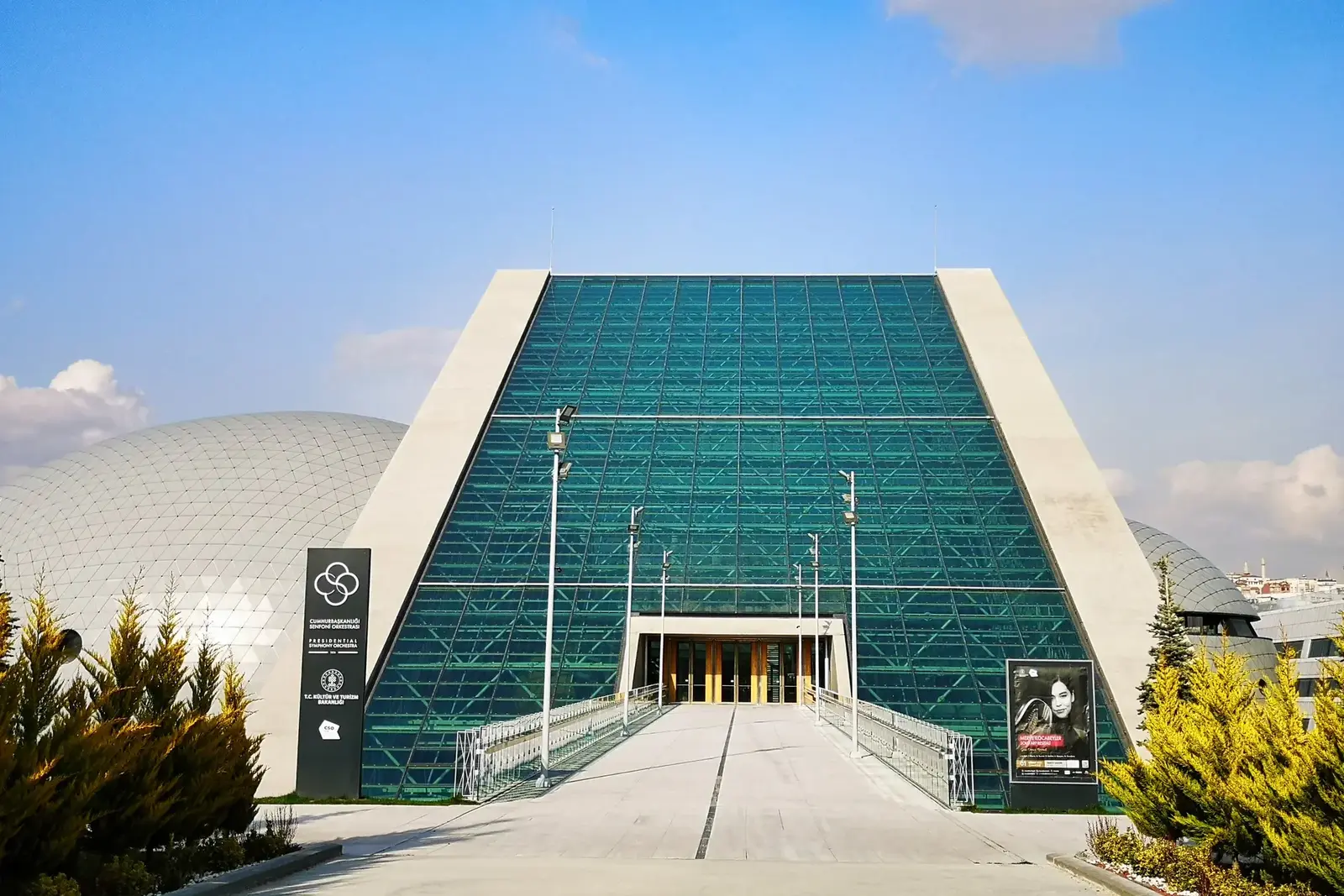
2020: Turkiye’s new Presidential Symphony Orchestra Concert Hall in Ankara, Turkiye, is complete. Monolithic built the domes for this architectural masterpiece, designed by Uygur Architects.
The dome on the left is ellipsoid and sunken 42.5 feet below street level. Its major axis (the widest part) is 186 feet across, its minor axis is 141 feet, and it is 103 feet tall. The dome on the right is a three-quarter sphere—96 feet in diameter at floor level and 77 feet tall.
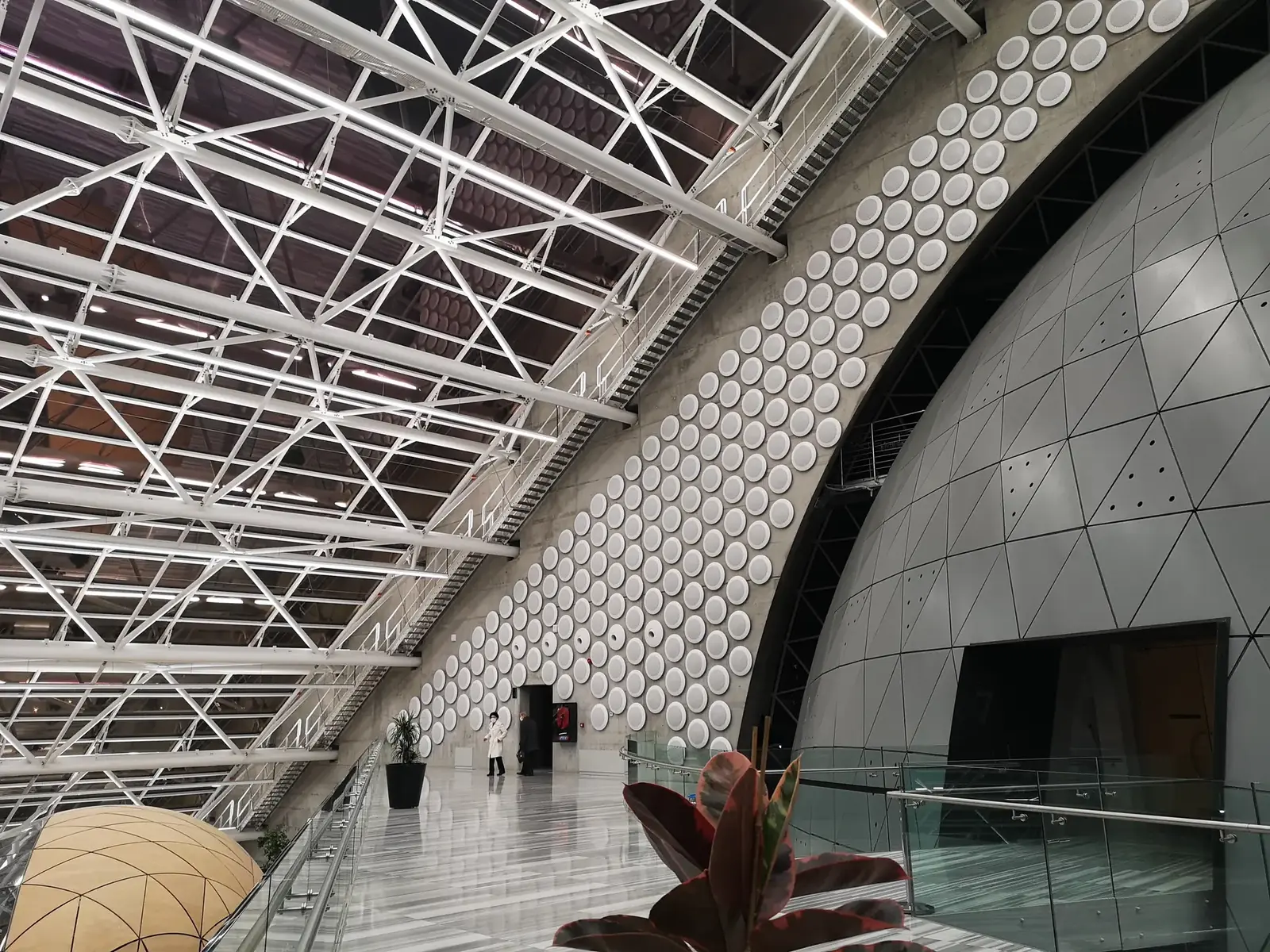
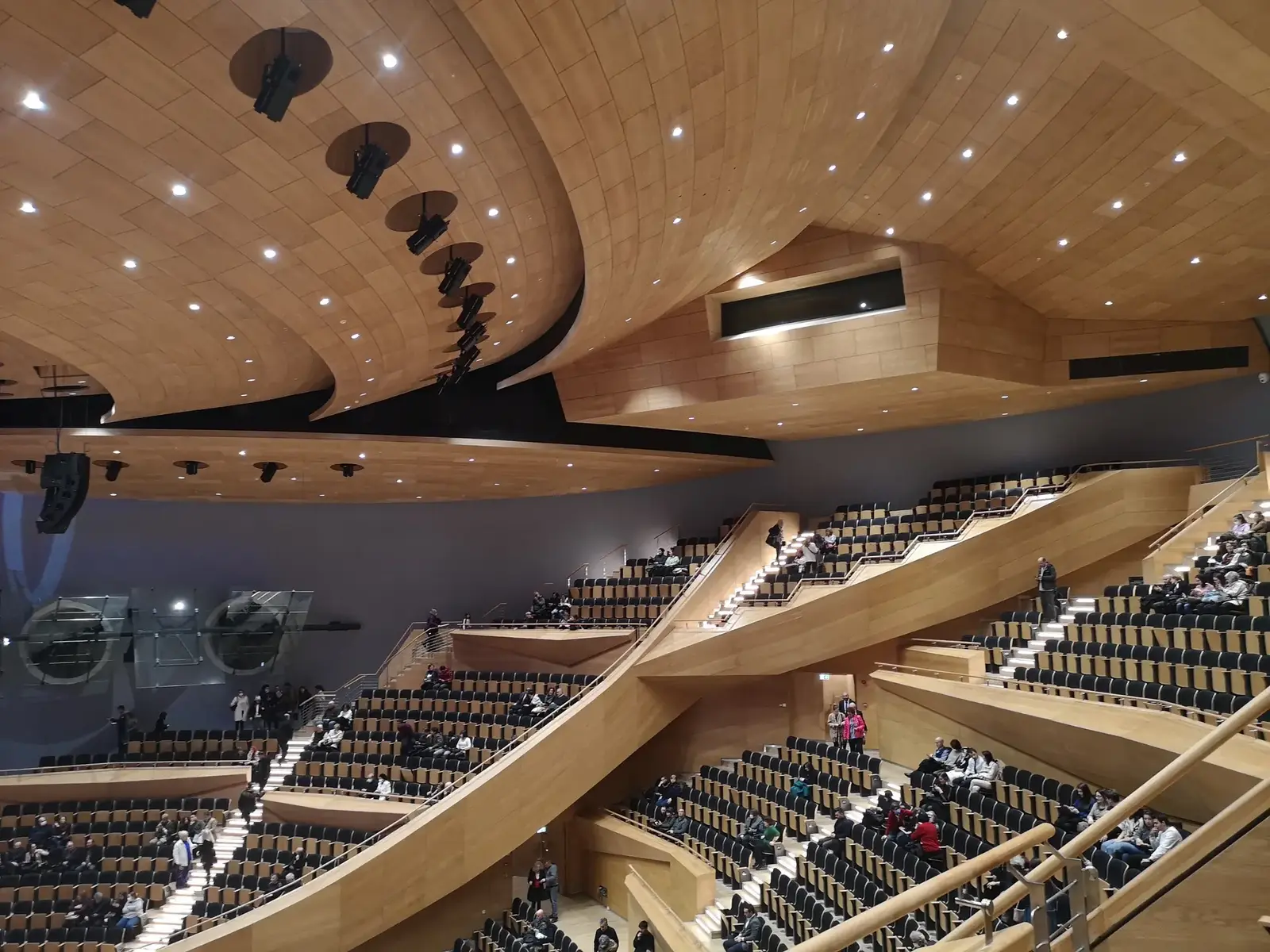
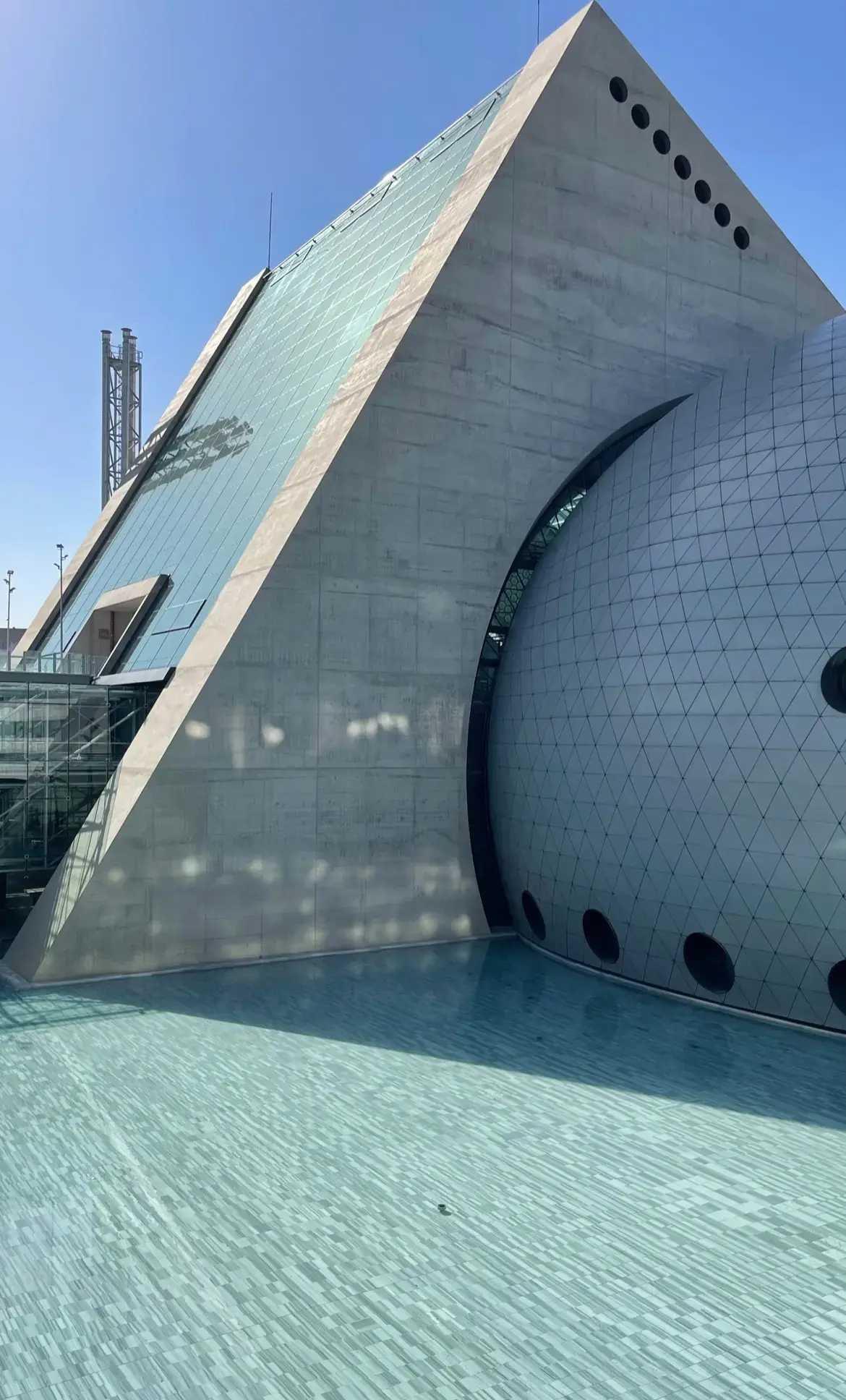
[Left] 2020: Inside the glass pyramid that joins the two ellipsoid Monolithic Domes. People walk along the mezzanine leading to the entrance of the smaller of the two domes. [Center] 2020: The auditorium of the Main Concert Hall in Ankara features 360-degree views, and every seat provides optimal acoustics. [Right] 2020: The massive dome of the main concert hall is 103 feet tall, with 42.5 feet below ground. Inside the hall, the skylights (at bottom right) shine above the stage.
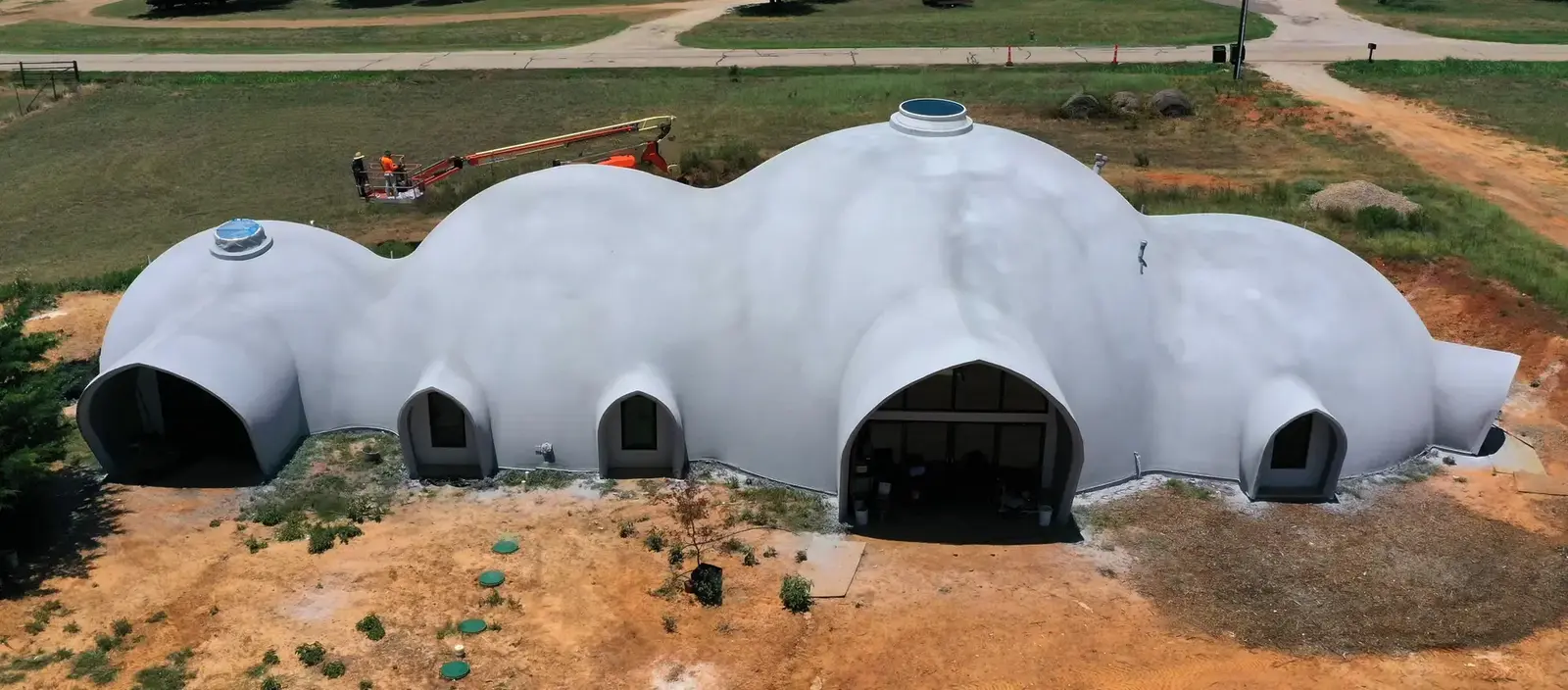
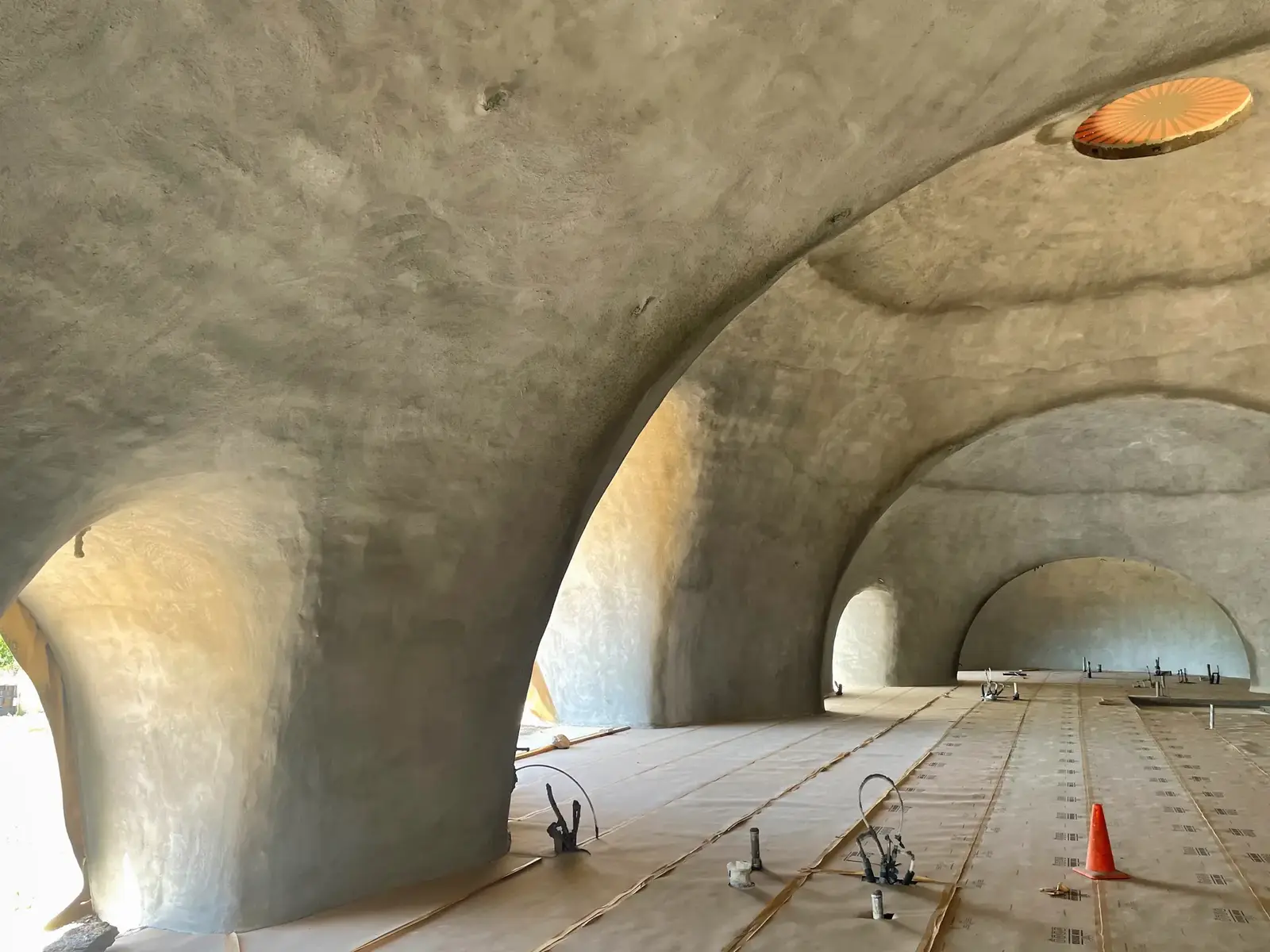
[Left] 2021: The multi-dome residence for Ryan Brown of Aubrey, Texas has multiple gothic arches, smooth interior walls and a perfect stucco exterior. [Right] 2021: The interior walls of the Brown residence were troweled smooth. Many new homeowners are requesting this wall treatment for their domes.
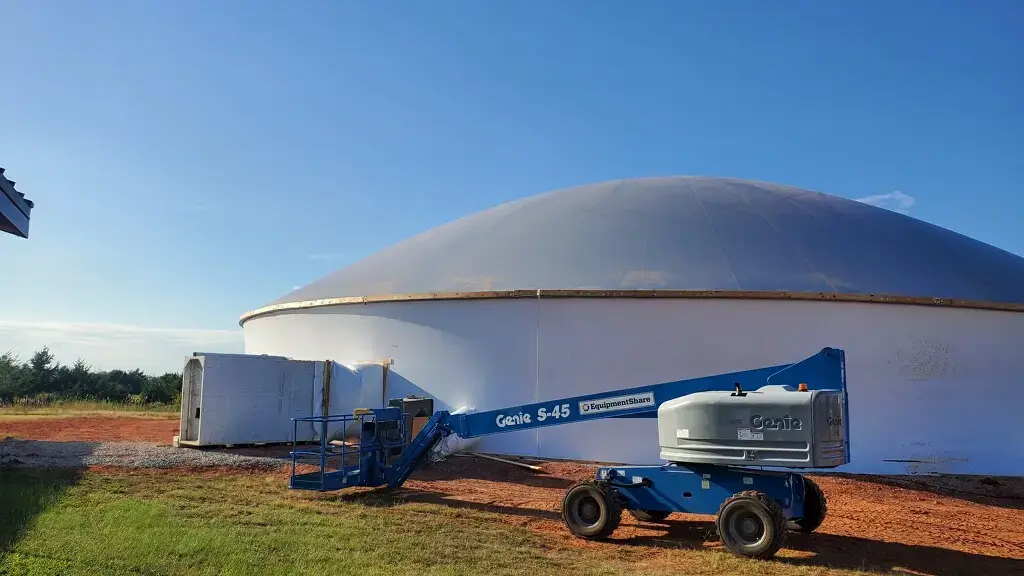
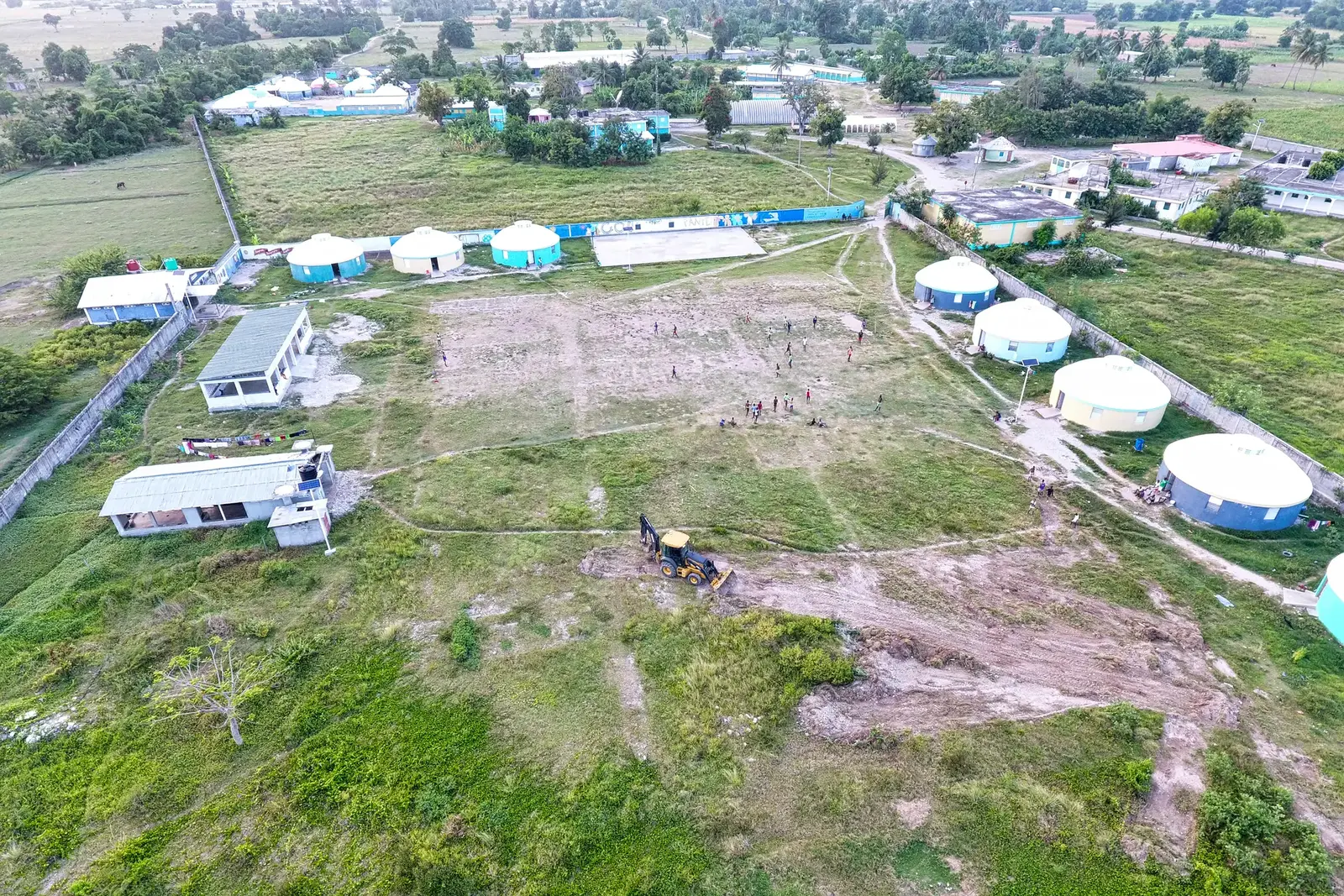
[Left] 2021: The Transition Ring Airform Membrane for the Kickapoo Childcare Center arrives in Oklahoma from Monolithic’s manufacturing plant in Texas, and is inflated. [Right] 2021: Fortunately, no one was hurt when Hurricane Matthew destroyed several buildings at this outreach center in Haiti, as the children had been moved to an existing dome for safety during the hurricane. DFTW has assisted Overture International in the construction of multiple domes in three locales across Haiti.
South Industries / Monolithic Commons / CC BY 4.0
Overture International / Monolithic Commons / CC BY 4.0
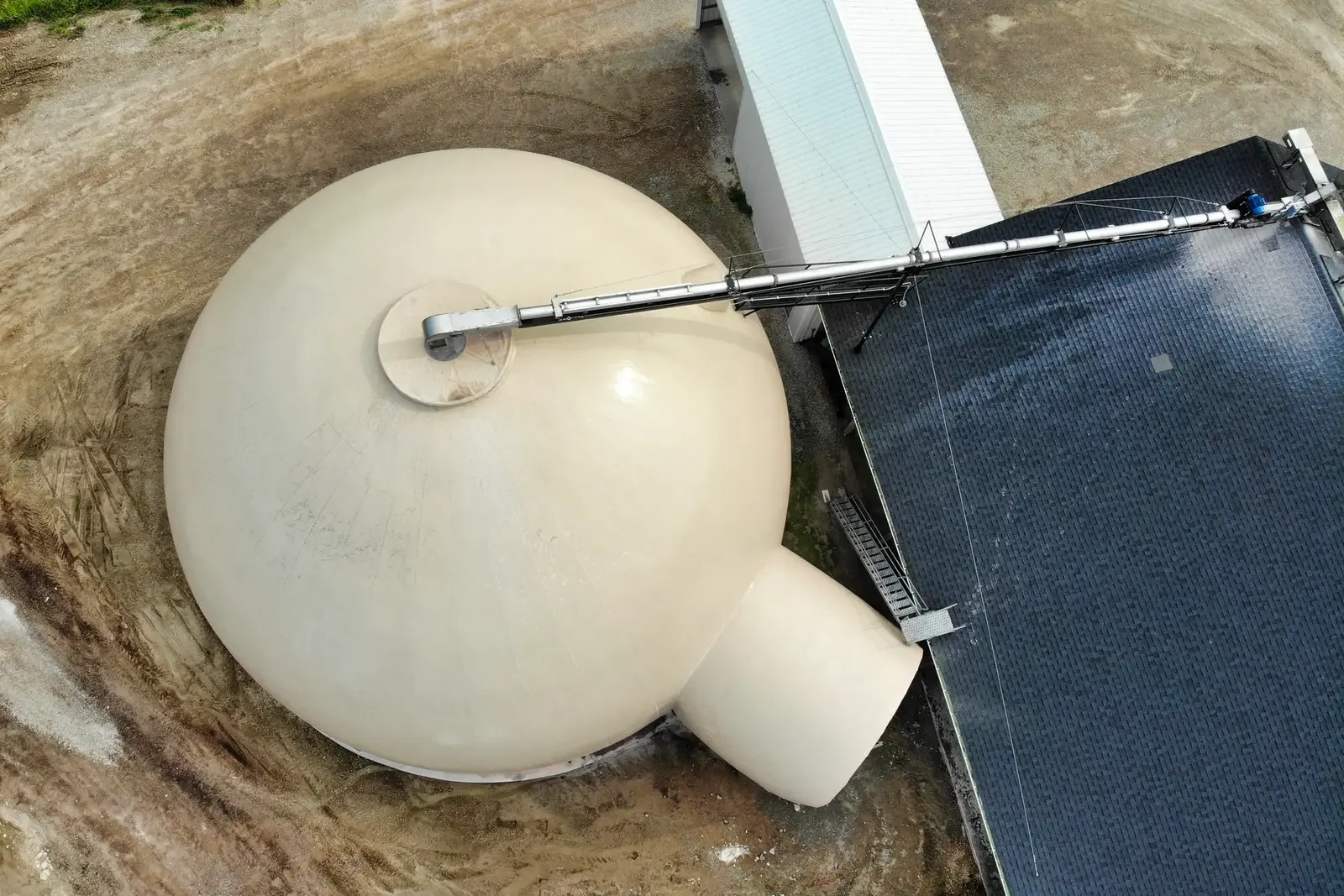
2021: For mid-sized agriculture companies, a no-frills storage dome, designed and constructed by Monolithic, is a money-maker. O'Toole, Inc. of Letts, Iowa, can store a wide range of fertilizers long-term in this 60-foot-diameter Monolithic Dome and save on energy and maintenance costs every year.
Monolithic has been building storage domes for 50 years. Storage facilities can range in diameter from 10 feet to 300 feet.
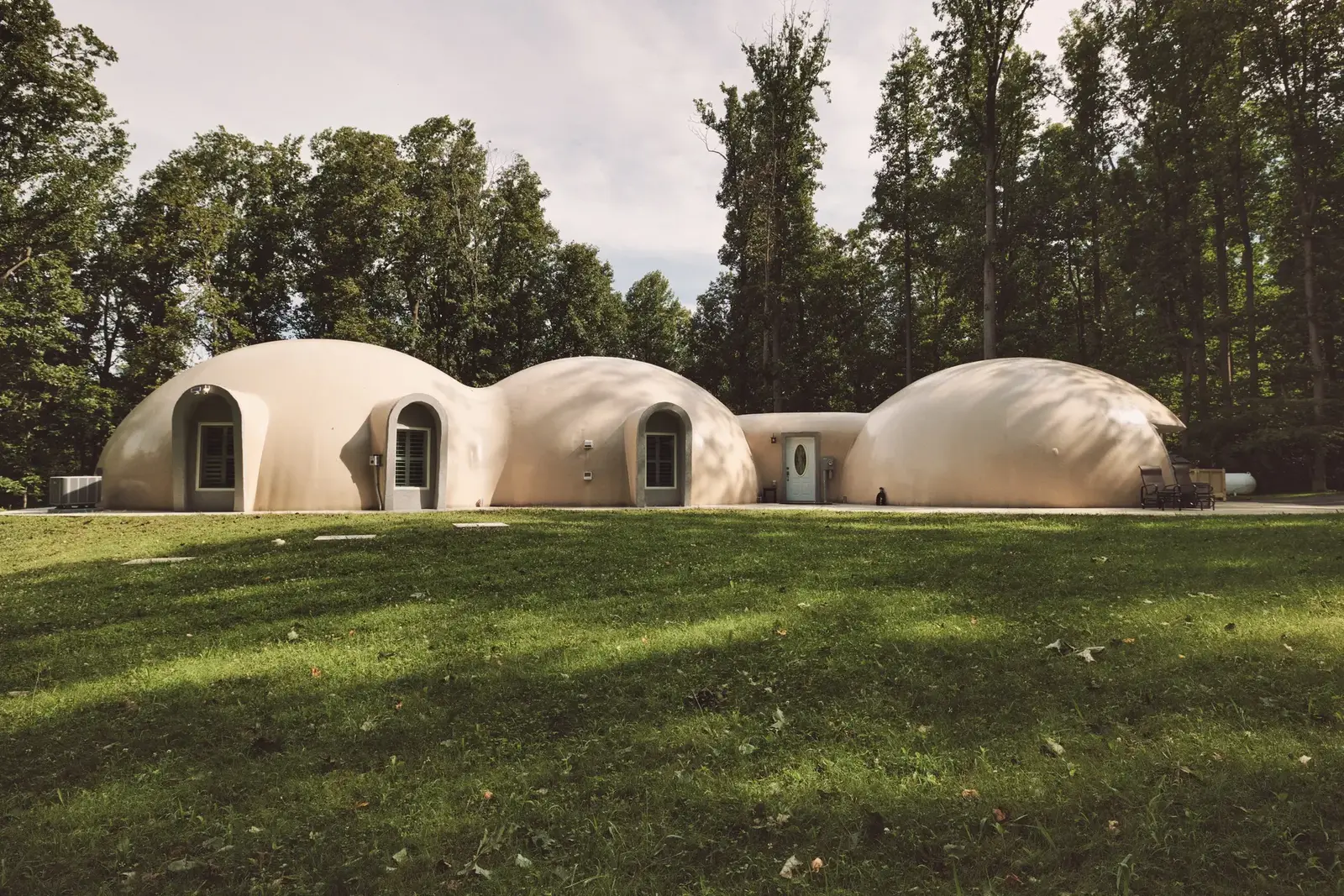
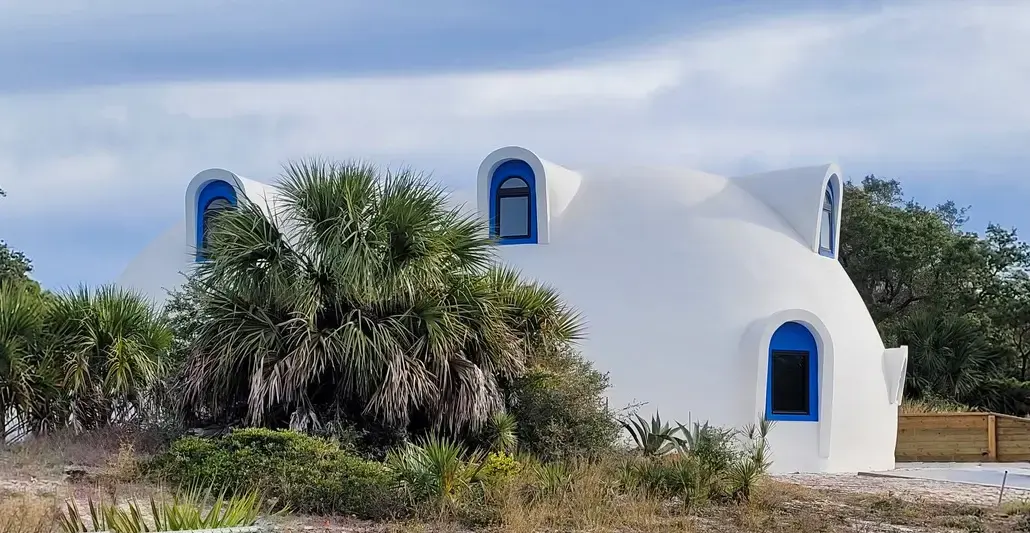
[Left] 2021: The Tatooine of Catoctin Mountains Home is located two miles from the Maryland Appalachian Mountain Trail. Monolithic designs and builds many Monolithic Dome homes every year. [Right] 2022: This home in Alligator Point, Florida, is bigger than it looks. With 3,827 square feet on two floors and a bright white and blue exterior, the new Monolithic Dome home stops traffic.
Chris Hyser / Monolithic Commons / CC BY 4.0
Cory Lees / Monolithic Commons / CC BY 4.0
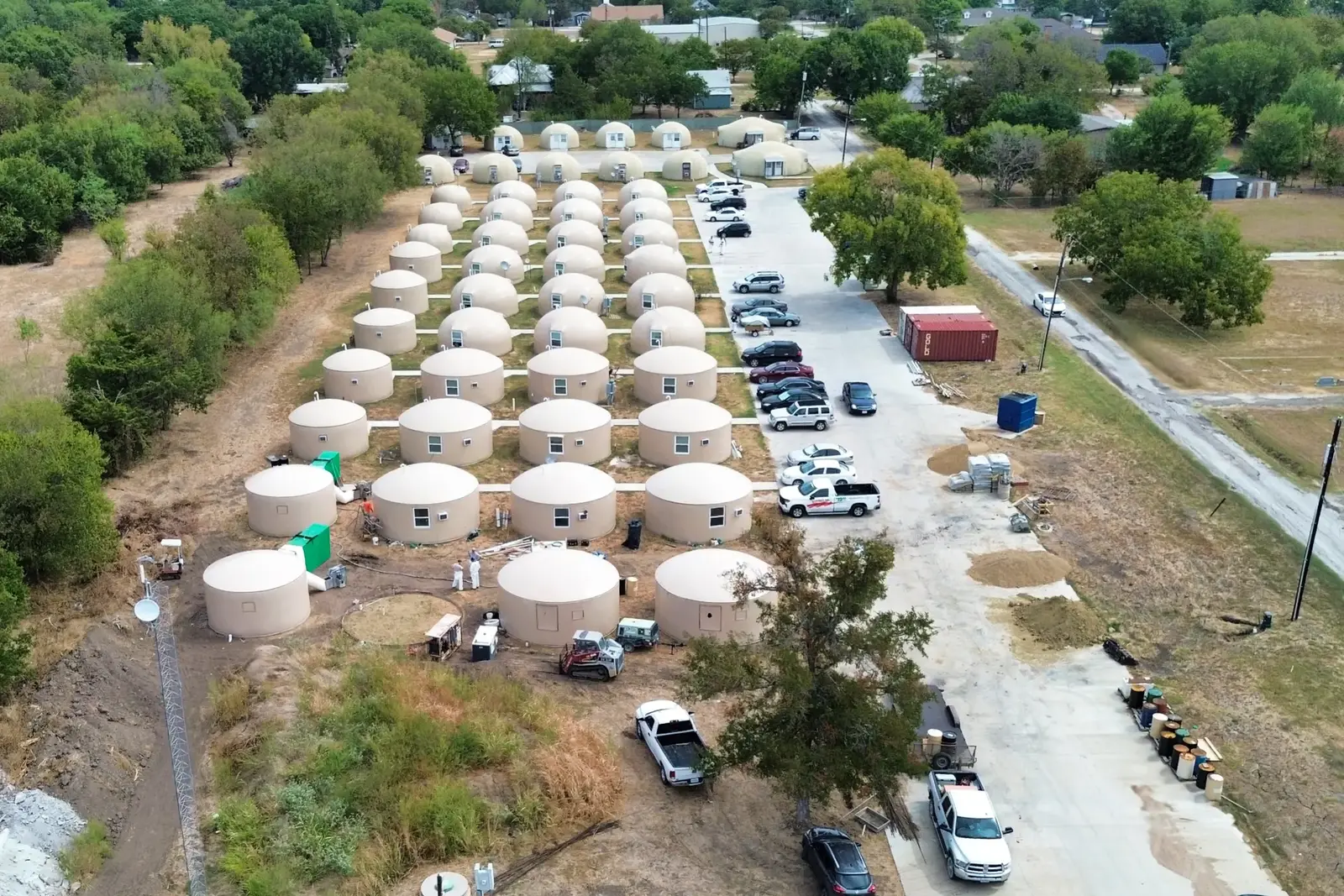
2023: This Monolithic Dome studio apartment complex in Dawson, Texas is almost complete.
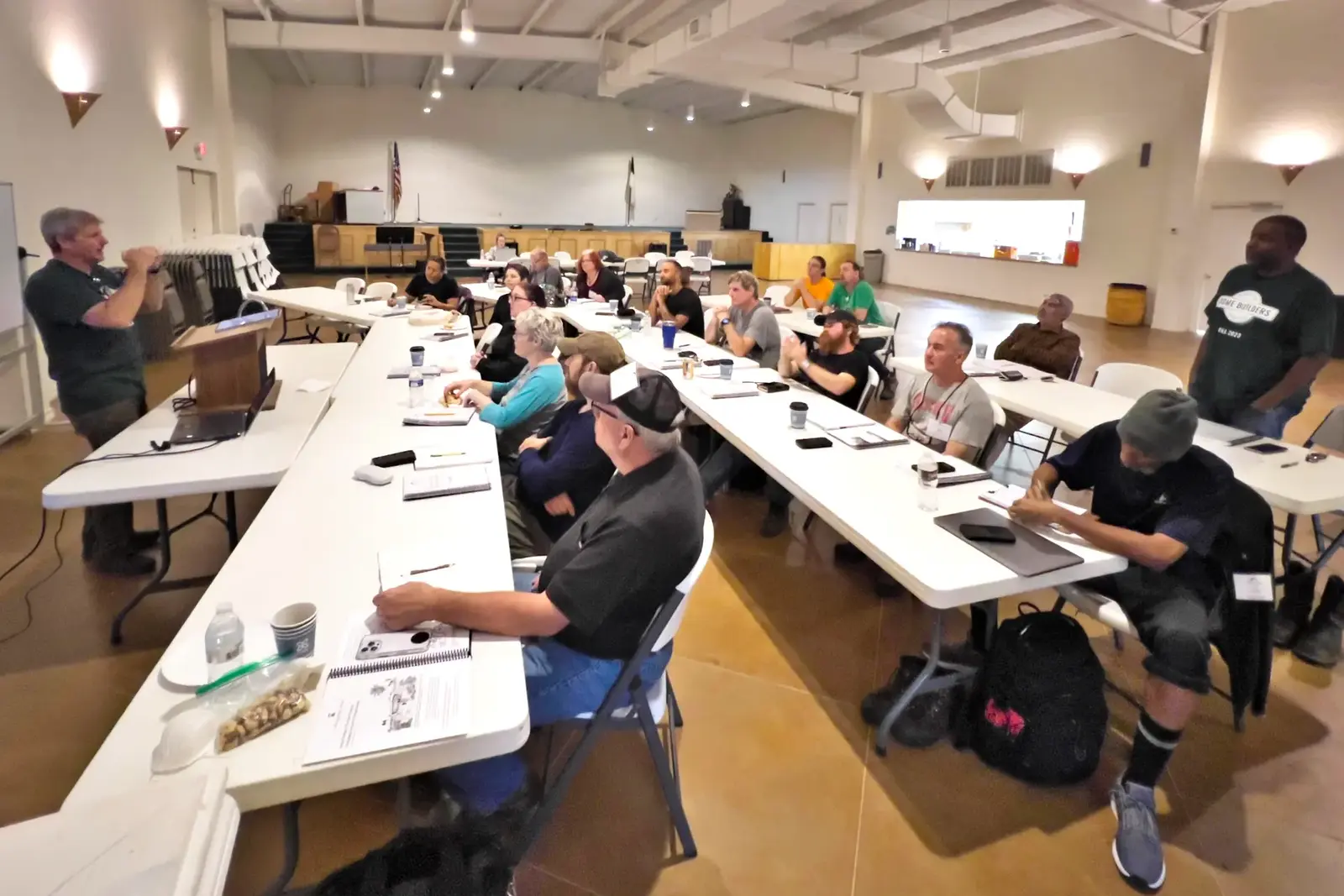
2024: Monolithic Dome Builders Workshop attendees split their time between classroom instruction and hands-on construction. In 2024, Monolithic celebrated 30 years of workshops.
Pictured here, students learn from Chris Zweifel of ZZ Consulting. Zweifel and his company have provided engineering for hundreds of Monolithic Domes worldwide.
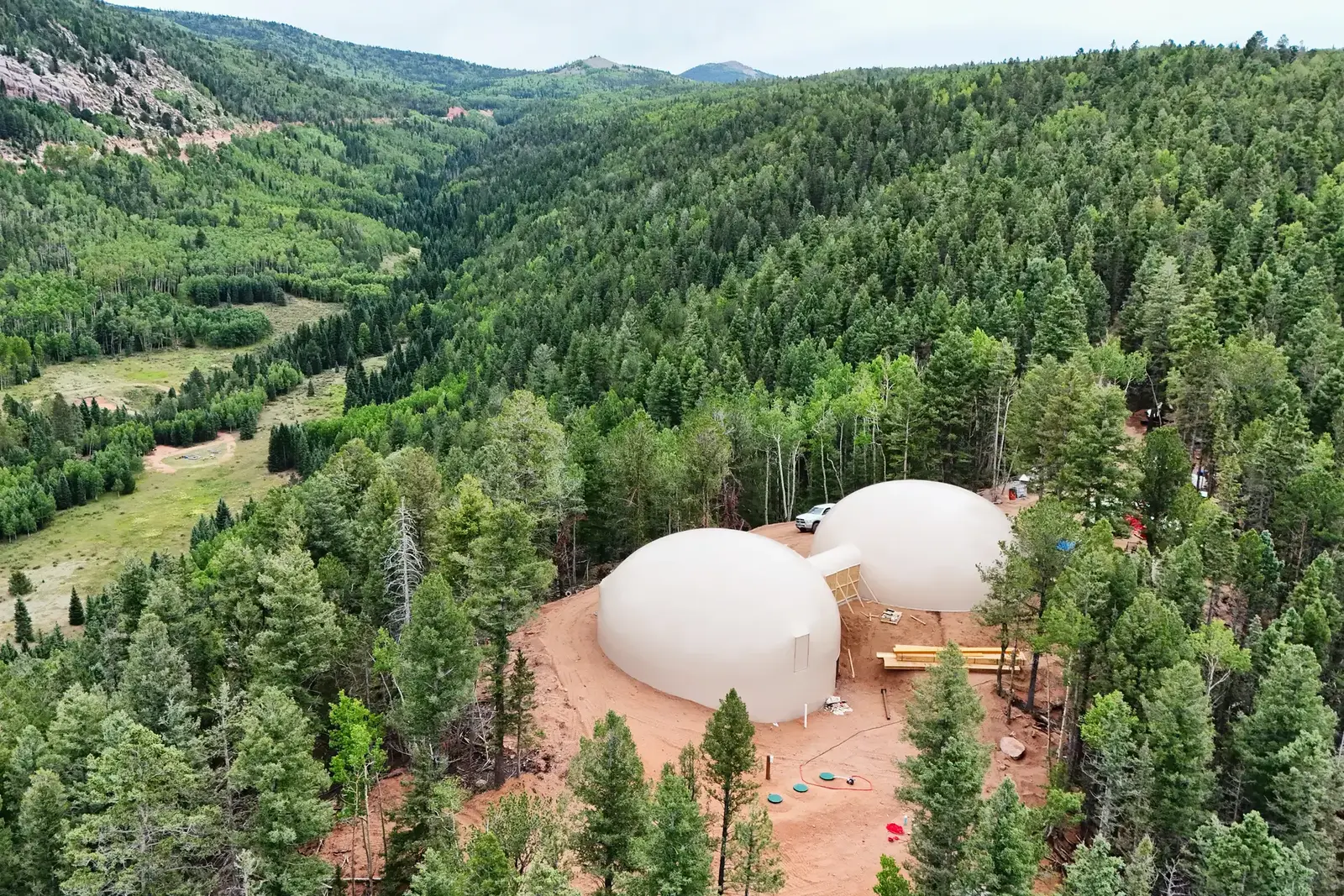
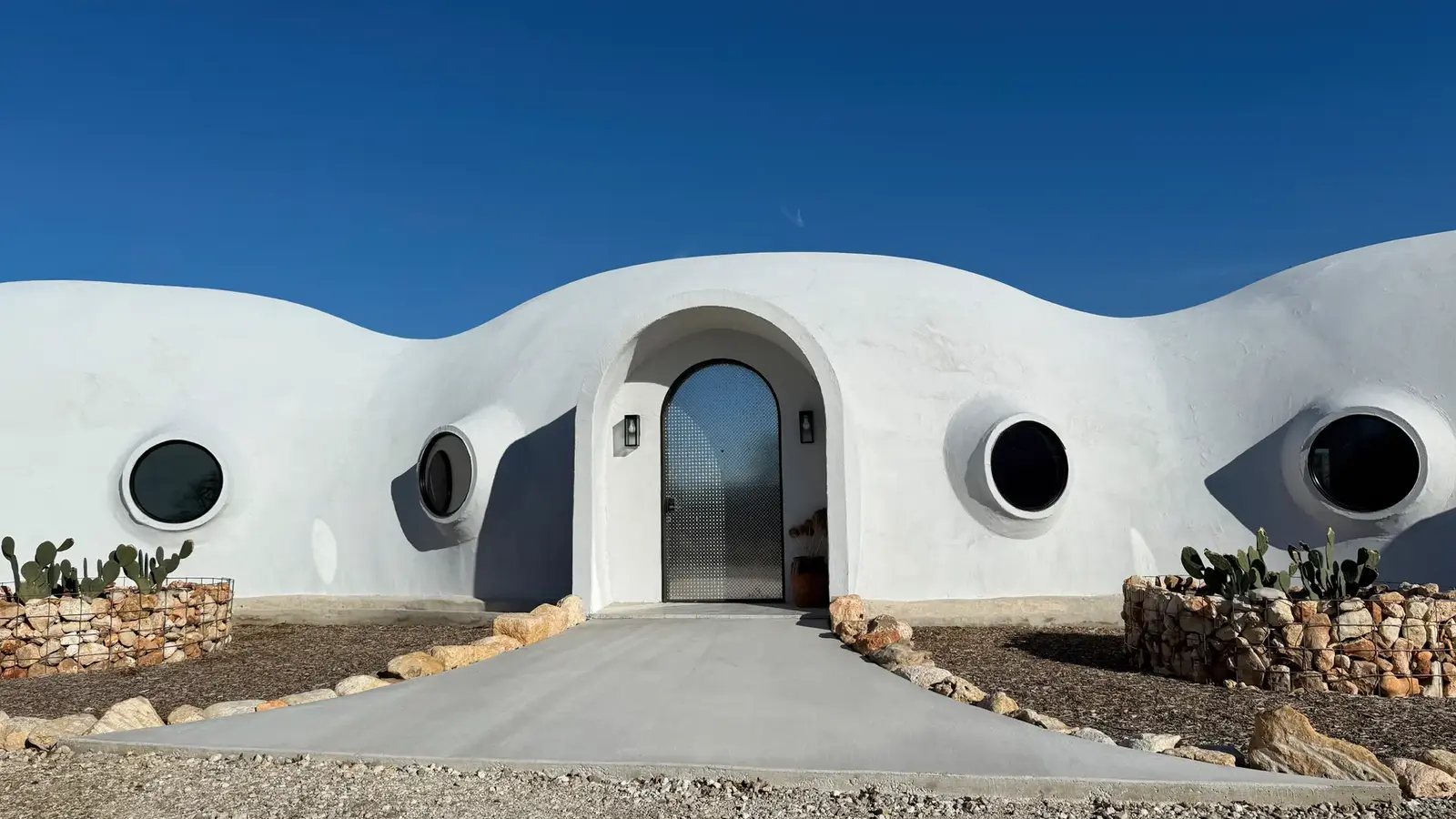
[Left] 2024: The Moore Family home in Colorado consists of two 50-foot-diameter domes. The main part of the house is a Monolithic Dome with a 12-foot stemwall that extends into the ground, creating the basement. [Right] 2025: Stone Dome is a five-dome Monolithic Dome home finished with white stucco and featuring an integrated water-collection system and cistern. Mike South recently posted a video tour of this beautiful home.
Kyle Rossignol / Monolithic Commons / CC BY 4.0
Mike South / Monolithic Commons / CC BY 4.0
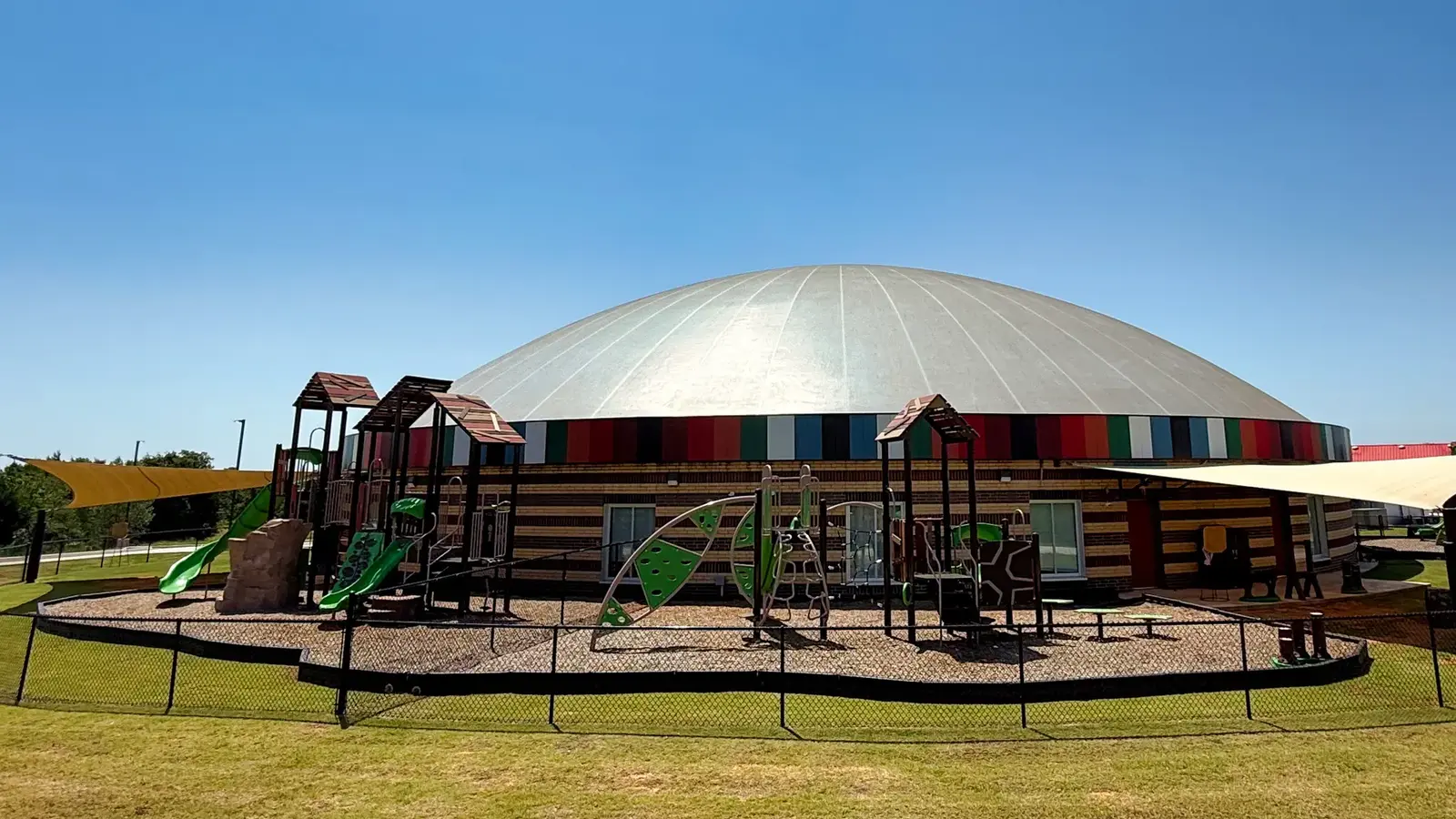
2024: South Industries completes construction of the Kickapoo Community Childcare Center using a Transition Ring Airform from Monolithic.
The center’s directors built this new Monolithic Dome because they hated rushing scared children from their classrooms to the previous tornado shelter whenever the tornado warning sirens sounded.
Mary Walker, Program Coordinator for Kickapoo said of the dome, “Now the children won’t have to run and hide. They won’t be scared. That’s the main thing. We can carry on with our lessons.”
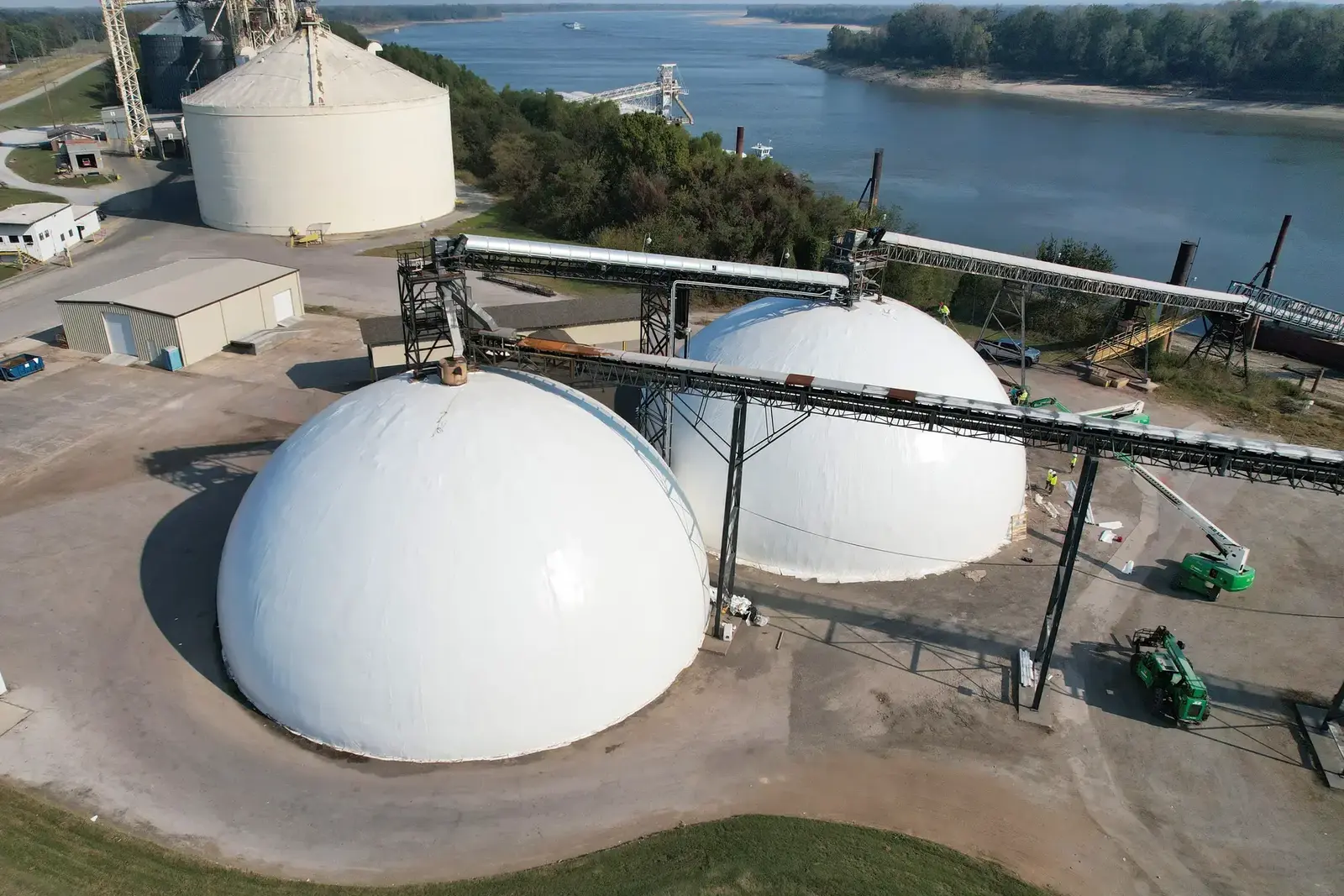
2025: The new ReCover dome restoration method is applied by Monolithic to two 30-year-old domes at River Bend Ag in New Madrid, Missouri.
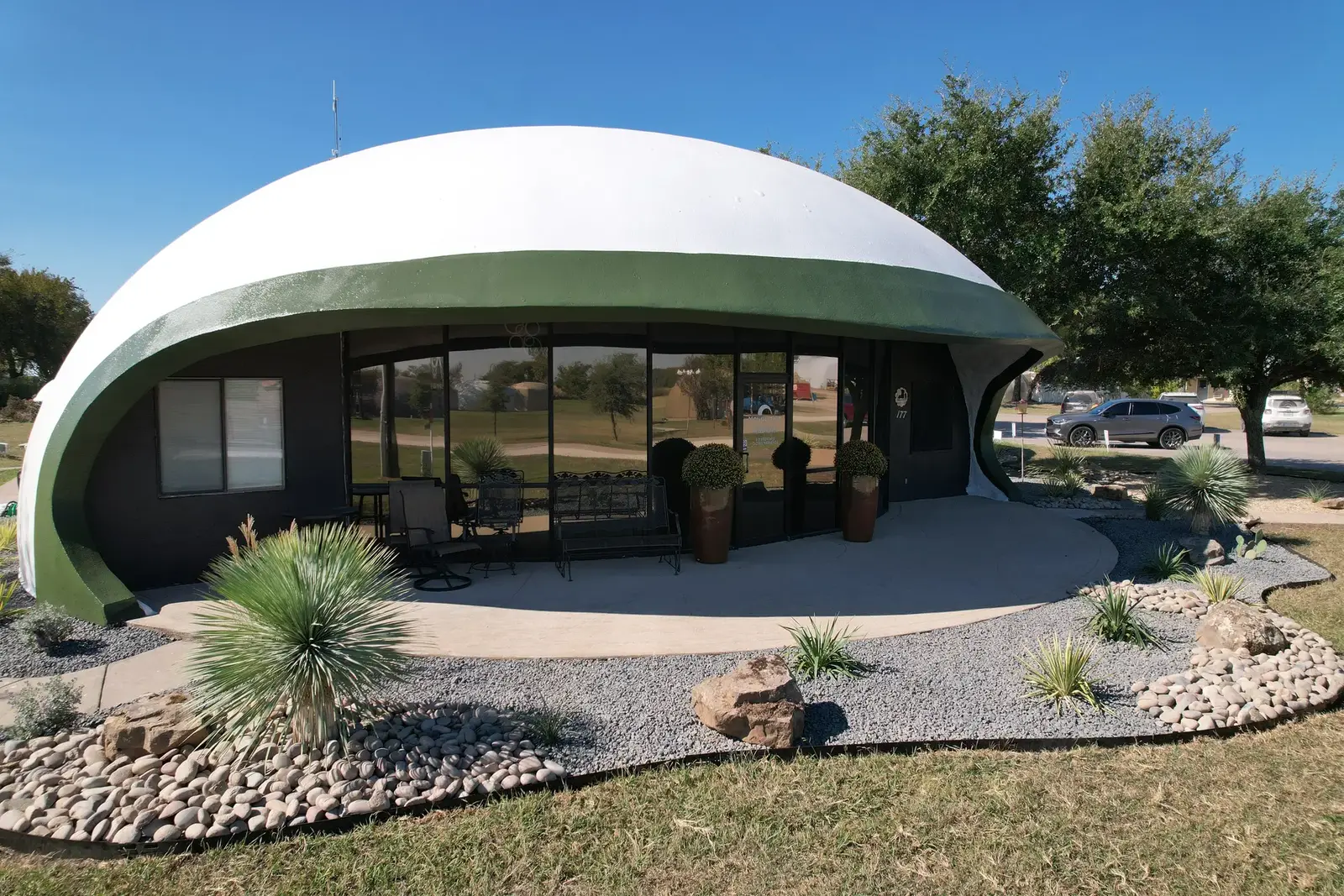
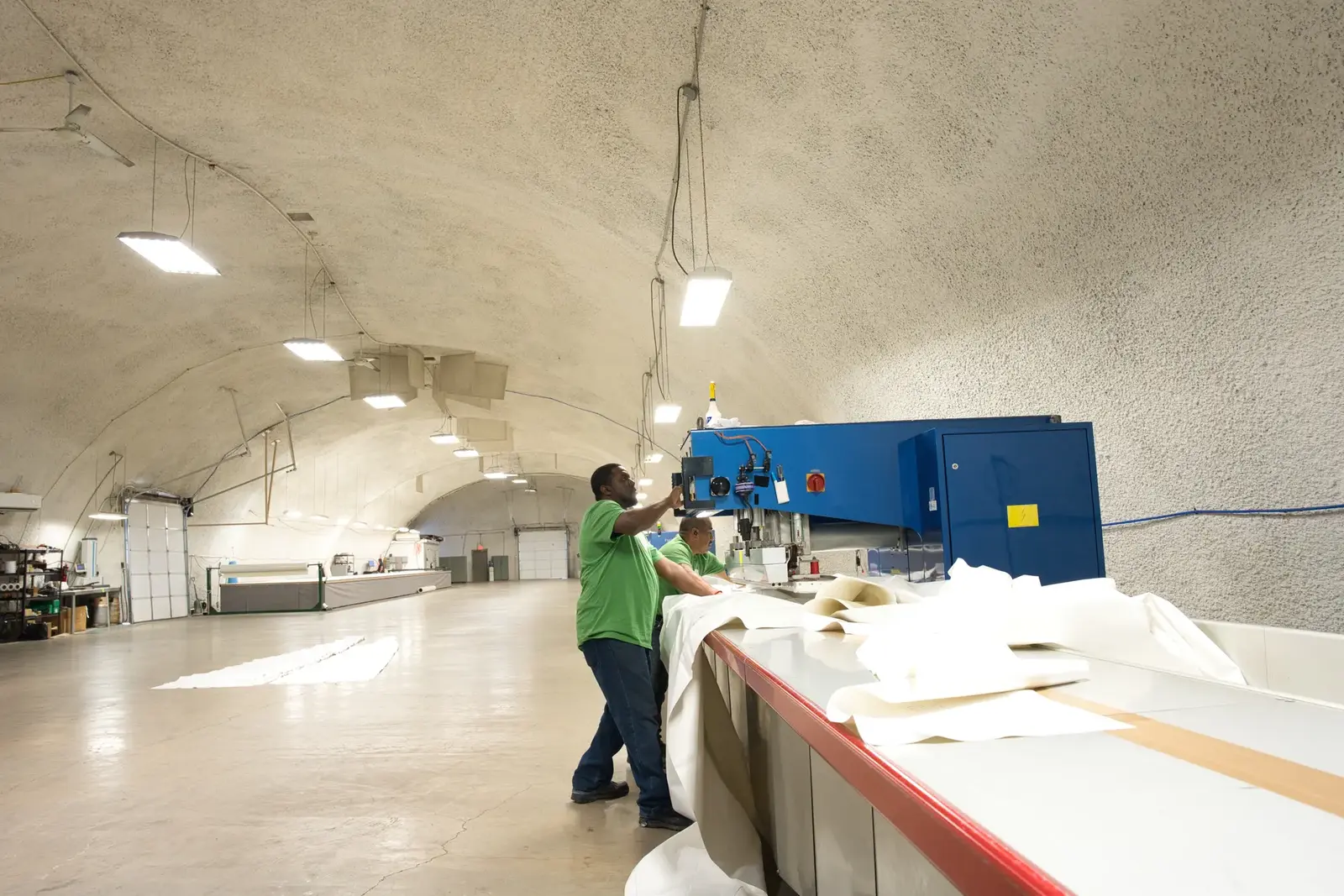
[Left] 2025, Monolithic’s front office at the Research Park gets a new look. In the 1980s, David B. South, founder of Monolithic, chose green as Monolithic’s official color—a nod to his childhood in Targhee National Forest near Yellowstone. [Right] 2025: Fabric form manufacturing in Monolithic’s Caterpillar has seen many upgrades in technology. Mike South, President of Monolithic, recently gave a video tour of the architectural textiles and Airform manufacturing plant.
Kasey Montgomery / Monolithic Commons / CC BY 4.0
Shaun Anders / Monolithic Commons / CC BY 4.0
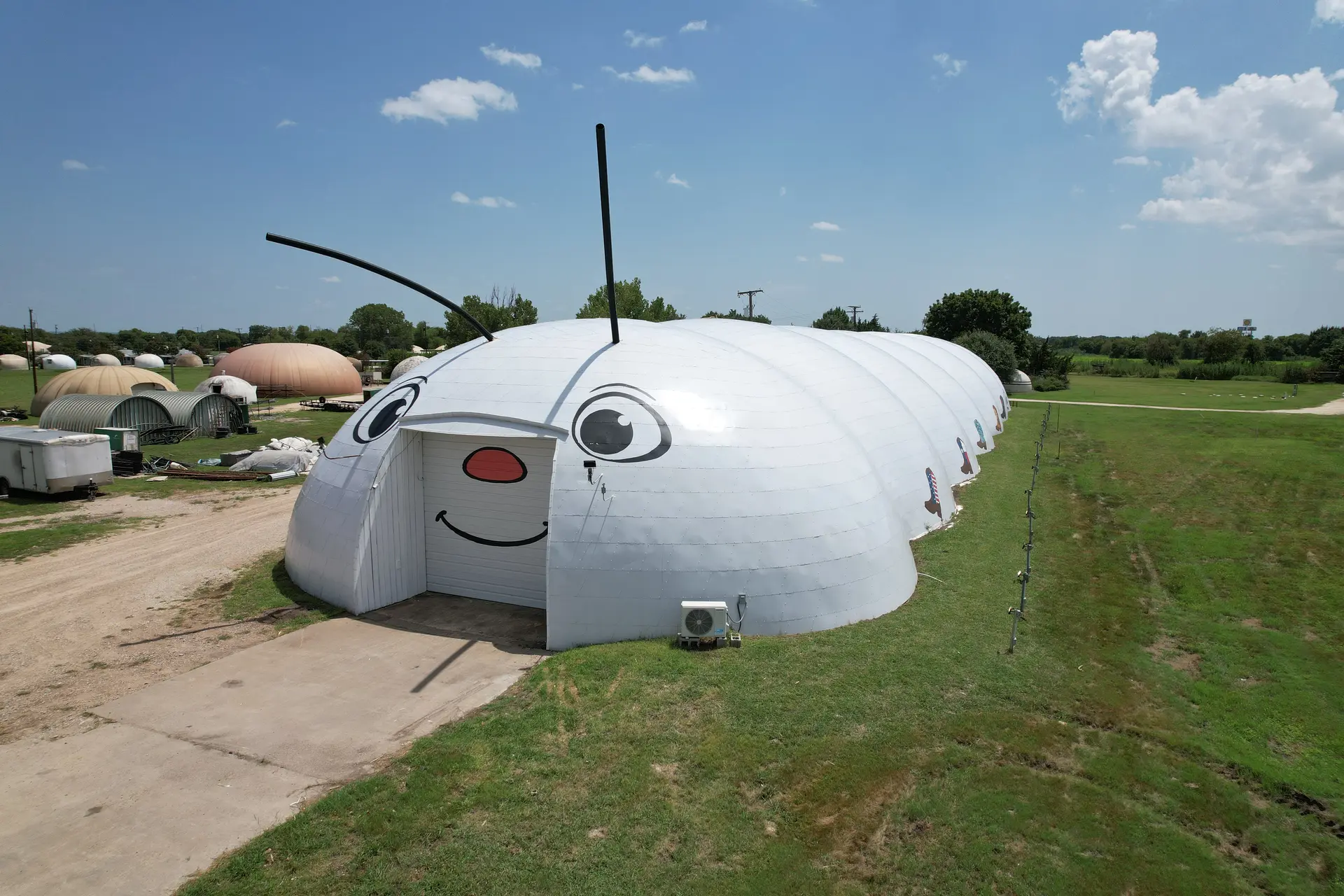
2025: At the Monolithic Dome Research Park, Bruco, the caterpillar-shaped architectural textiles and Airform manufacturing plant (and Monolithic’s unofficial mascot) gets an exterior renovation.
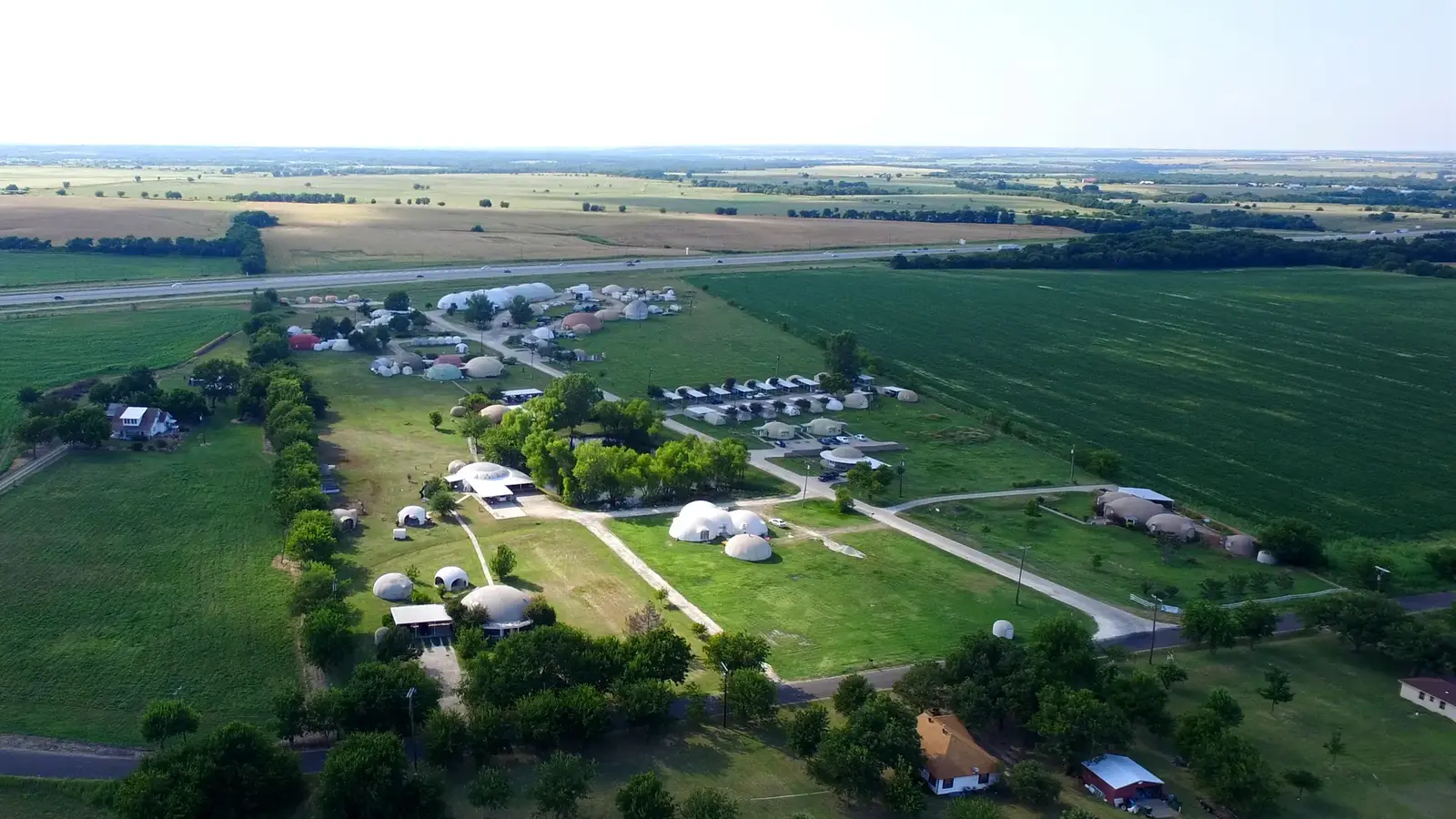
2026: From everybody at Monolithic, thank you to our customers, enthusiasts and colleagues for the past 50 years of Domes. It has been our pleasure to watch the world go round with you!