The Crisp Family's Dome Home in Florida and its Creative New Addition
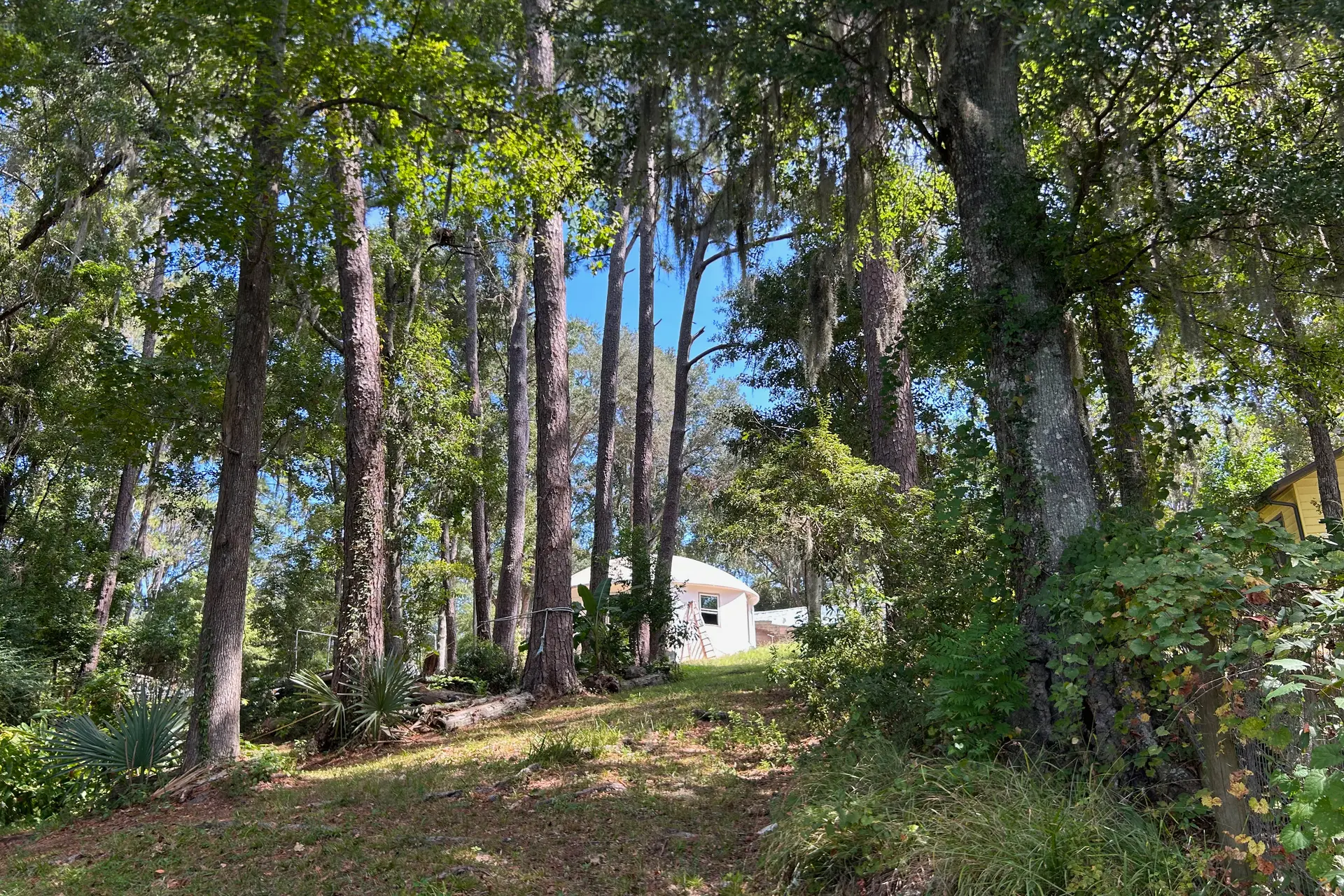
James Crisp’s family’s home, near Quincy, Florida, is an Orion-style Monolithic Dome. A new and innovative addition will be made to the beautiful southern homestead soon.
In 2025, the Crisp family completed construction of their first Monolithic Dome home—a 1,000 square foot (92 m²) Orion-style Monolithic Dome connected to the family’s existing conventional home. James Crisp and his family were concerned about natural disasters and rising energy costs, so when deciding on a design for an addition to their Florida home, they chose to build a Monolithic Dome.
The new addition, measuring 38 feet (11 m) in diameter, has a height of 15 feet (4.5 m). The dome is 7 feet (2 m) tall, built atop an 8-foot (2.5 m) segmented Orion stemwall. The house was designed to combine durability and energy efficiency while making the most of the family’s beautiful lakefront property.
Inside, the dome addition features a thoughtfully designed layout that includes a spacious kitchen with dining area and a pantry, a living room, and a primary bedroom suite.
It is a very good thing the Crisp Family chose to build a dome rather than add a conventional addition to their home, because, as the interior framing neared completion, tragedy struck. A fire broke out in the original home. The fire took hold in the roof and proved devastating. The interior of the conventional home was declared a total loss, but the dome needed only cosmetic repairs.
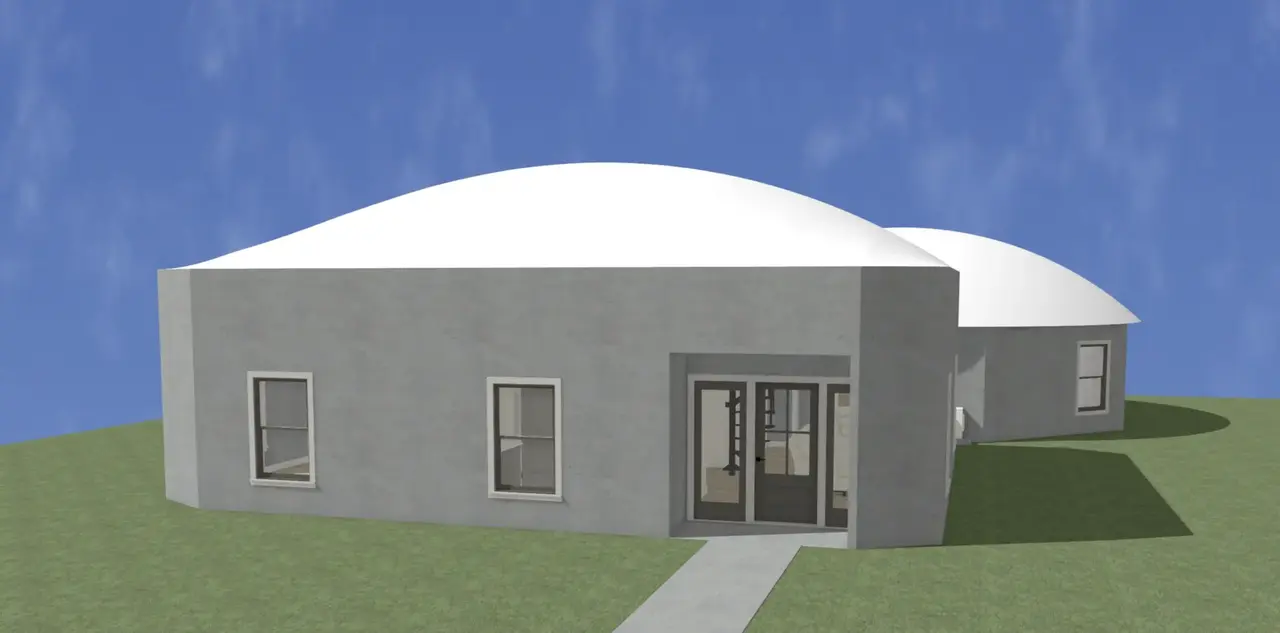
The new addition will be a pillow-top dome built atop the existing foundation of the conventional home that was destroyed by fire in 2025.
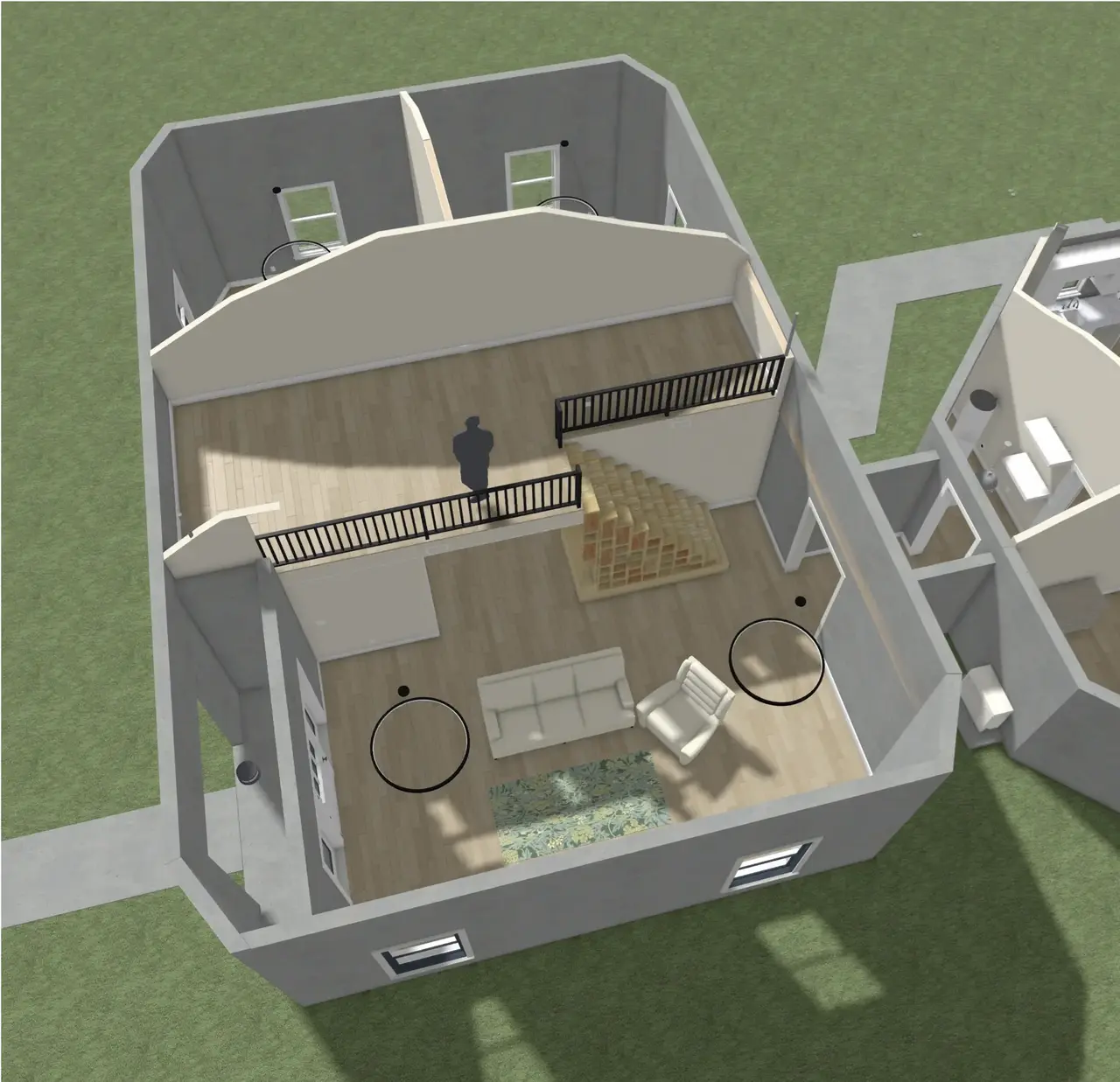
The new addition will have a loft overlooking the family room.
Despite the destruction, James and Mike South, President of Monolithic, saw that, while the house was a total loss, the original foundation offered an exciting opportunity.
Monolithic is going to build a second dome to replace the gutted conventional house, using the original rectangular foundation. Reusing the existing foundation will further reduce construction waste for a project that was already materials-efficient. Monolithic Domes aren’t cheap; they use the best building materials available, but because of their shape, they require far less material to cover the same area as conventional construction. This is why domes are affordable and conserve resources.
The new design will feature a pillow dome roof. Unlike the traditional double-curved Monolithic Dome, a pillow dome is suited primarily for smaller structures. While not as inherently strong as a true double-curved dome, it still offers significant advantages over conventional construction methods. The new structure will measure 39 feet (12 m) in length and 30 feet (9 m) in width. The layout will include two bedrooms, one bath, a laundry room, a parlor and a loft.
Monolithic will build one-sided concrete forms atop the existing foundation to construct the orion-style stemwalls. After the steel-reinforced concrete stemwalls are finished, the pillow-top Airform will be attached and inflated. Inside, crews will spray foam onto the entire interior surface of the structure from the floor to the dome’s apex—sealing the stemwalls and Airform together. Next, crews will proceed as usual, tying a grid of steel rebar to the foam, and finally, embedding the steel with 3 to 6 inches of shotcrete. This process will fully integrate the original foundation into the Monolithic structure of the dome.