Thermal Imaging of Canadian Monolithic Dome Confirms Exceptional Insulation Performance
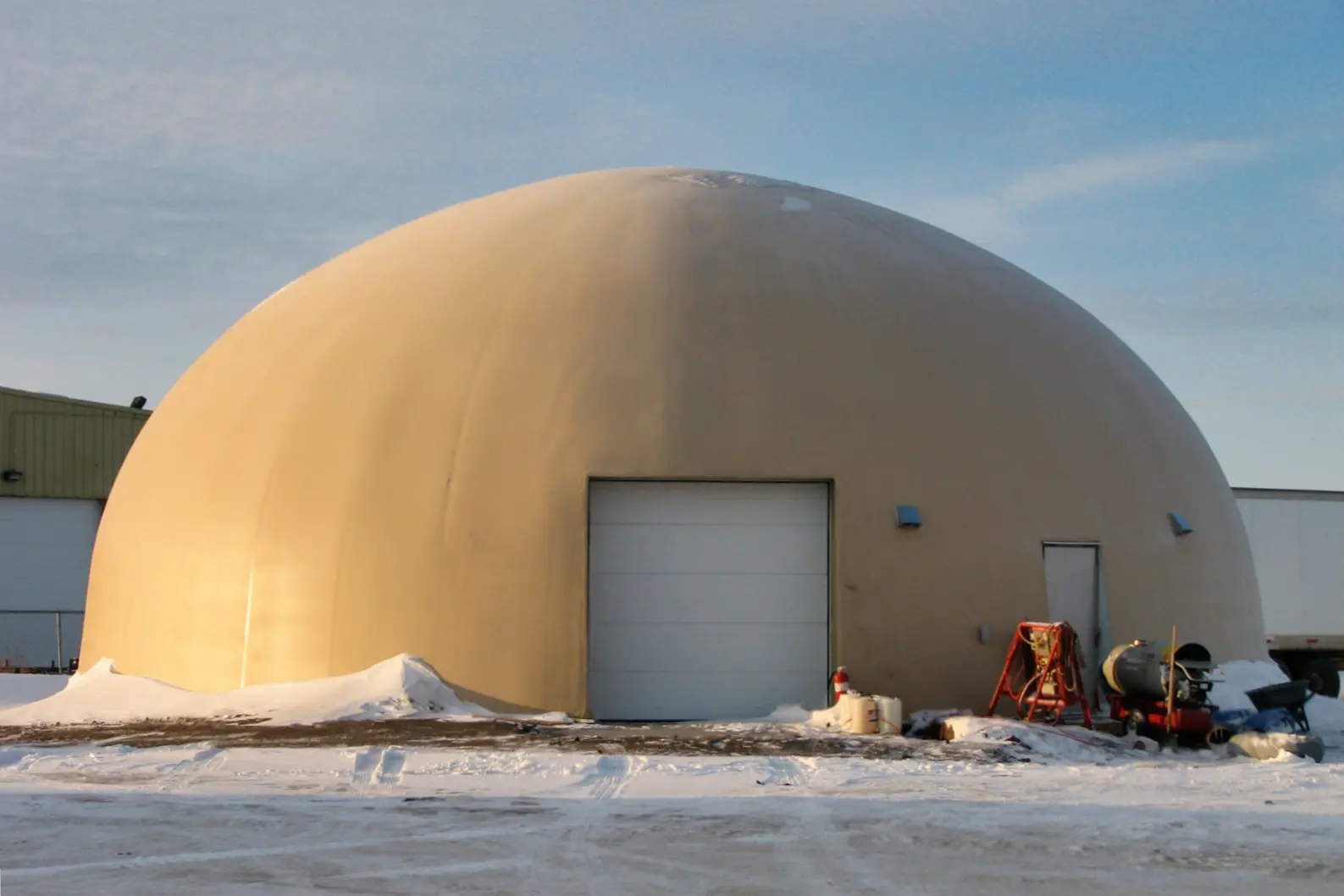
A 40-foot Monolithic Dome Shop in Saskatchewan, Canada built by Robert Phillips of Canadian Dome Industries. Note the metal buildings in the background.
Monolithic Domes are among the most highly insulated buildings in use today and are known for exceptional energy efficiency. Robert Phillips of Canadian Dome Industries set out to independently evaluate the insulation performance of a Monolithic Dome he had built. Using thermographic imaging, he documented a 40-foot-diameter half-shpere shop/garage along with nearby conventional buildings in Saskatoon.
The images clearly show little to no heat loss through the dome’s shell. At an outdoor temperature of −25°F, the coldest areas appear black in the images. Warmer temperatures show up in progressively brighter colors, with red indicating the hottest areas.
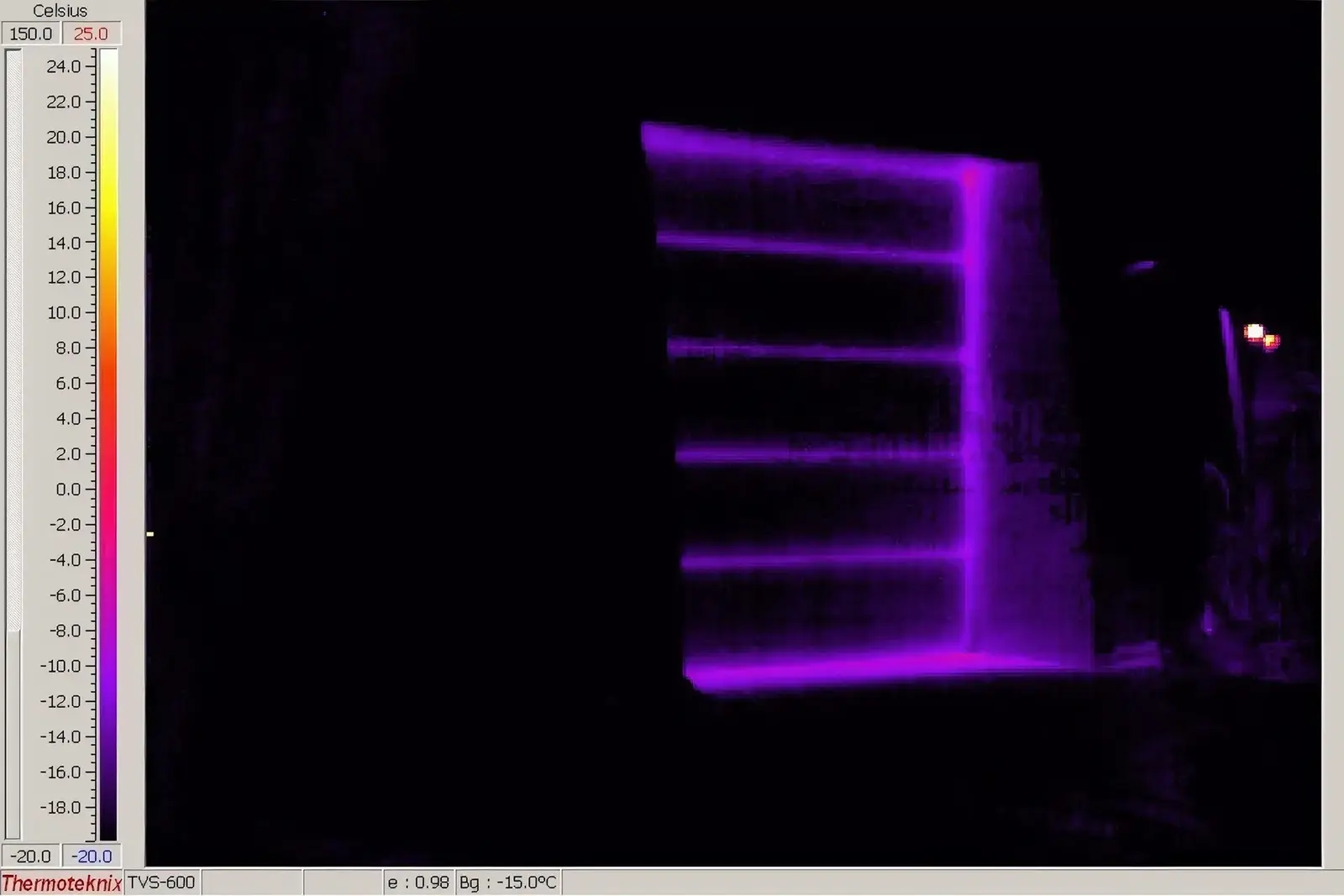
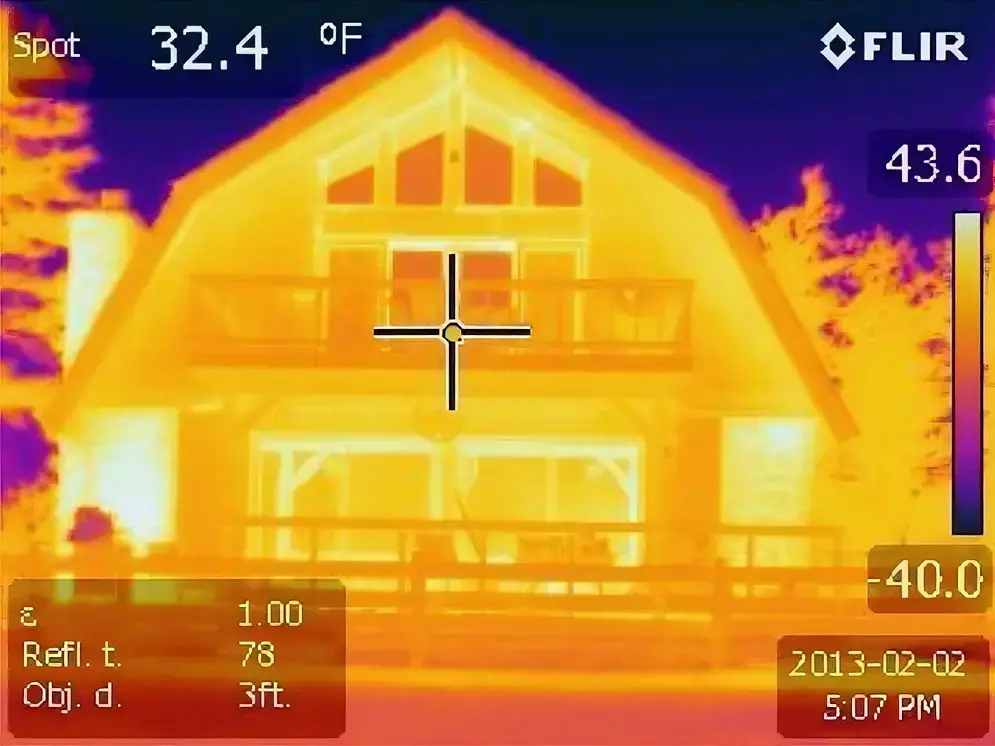
[Left] Monolithic Dome photo taken with a thermographic camera at -25 degrees below zero Fahrenheit. Note the Monolithic Dome is black. This is a heated shop. There is no heat loss through the Dome shell. The door (insulated) is leaking heat especially at the cracks between the sections and along the edges. [Right] A thermal Image of a home in the Black Hills of South Dakota. Exterior temperature is 32 degrees Fahrenheit. Note the red areas denoting heat loss and the blue areas which are cold.
Robert Phillips / Canadian Dome Industries / CC BY 4.0
Black Hills Thermal Imaging / Wikimedia Commons / CC BY-SA 3.0
At a glance, the thermographic images show that heat loss from the Monolithic Dome is virtually nonexistent, except at doors and other openings. This confirms a common real-world observation: when snow begins to melt, the last remaining snow is typically found on the north, upper side of a Monolithic Dome. Said another way, snow melts where the sun shines on a dome, not as a result of heat loss from within.
When sizing HVAC equipment, heat loss or heat gain through the Monolithic Dome shell can effectively be ignored. Internal factors—such as occupancy, windows and doors, lighting, and equipment—play a far greater role in determining heating and cooling requirements. Engineers have verified this by measuring total energy consumption, and in every case the Monolithic Dome shell demonstrates an equivalent R-value exceeding 60.
These thermographic images illustrate this performance. The combination of concrete mass and high-value urethane insulation results in essentially no measurable heat loss through the Monolithic Dome shell for practical purposes.
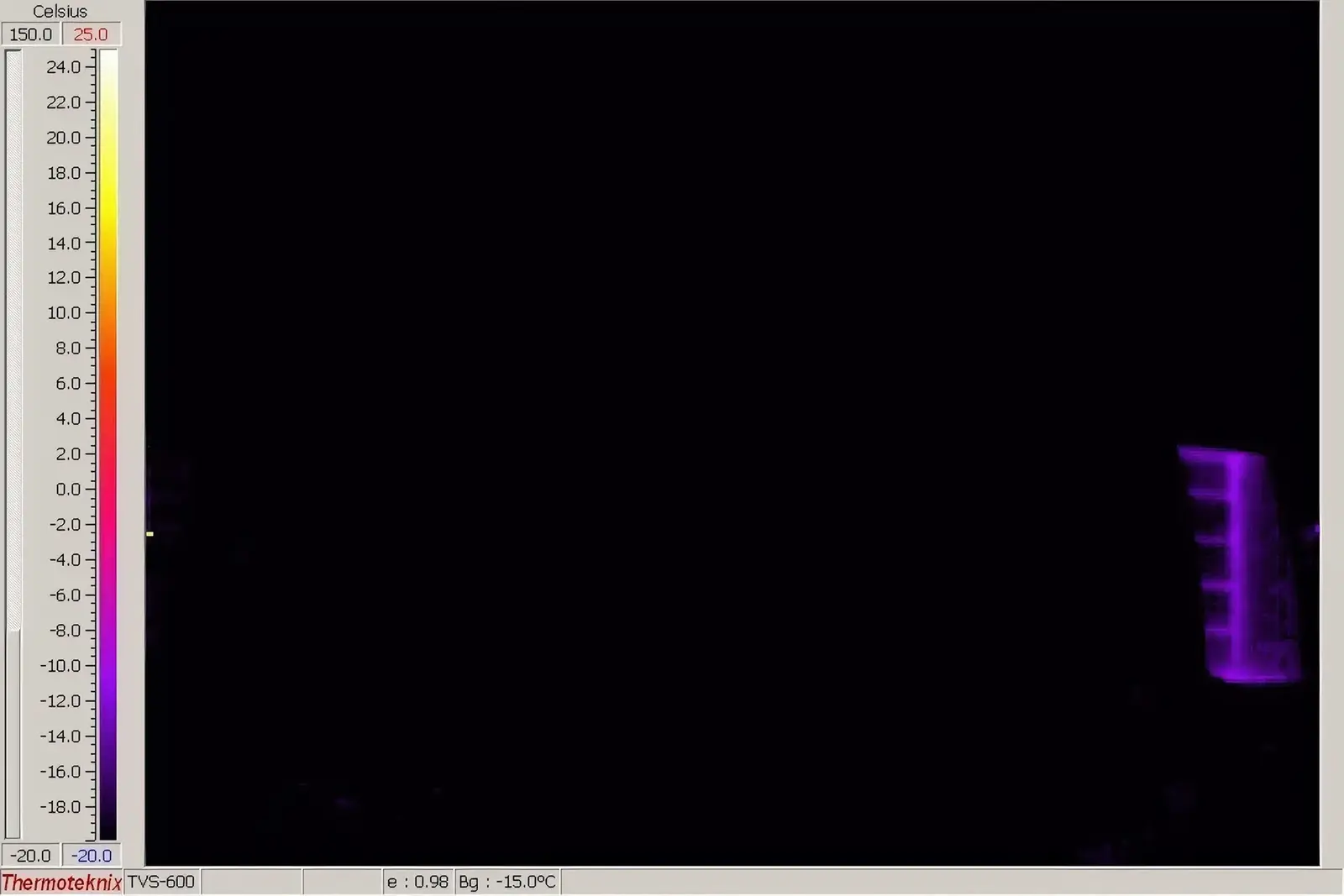
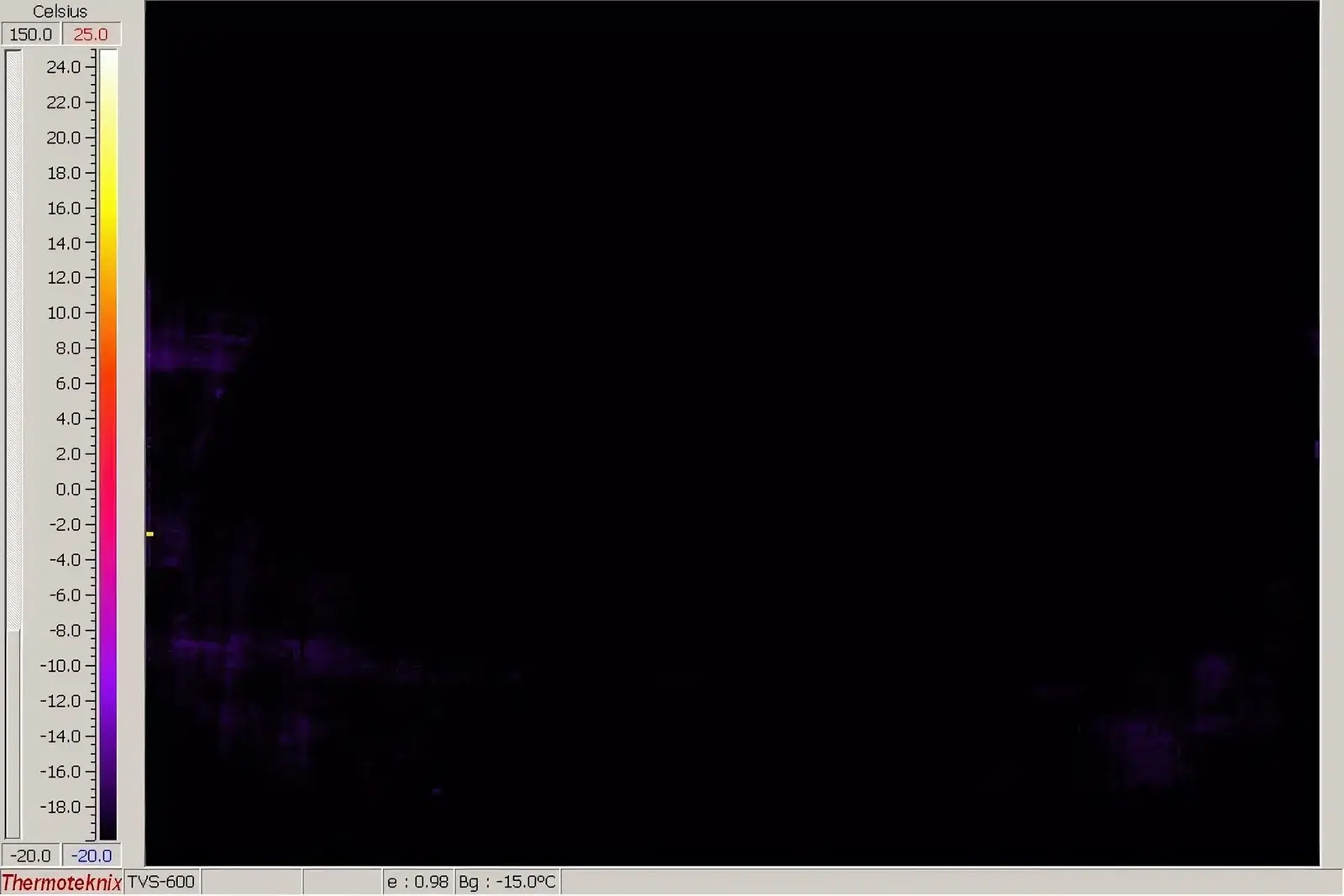
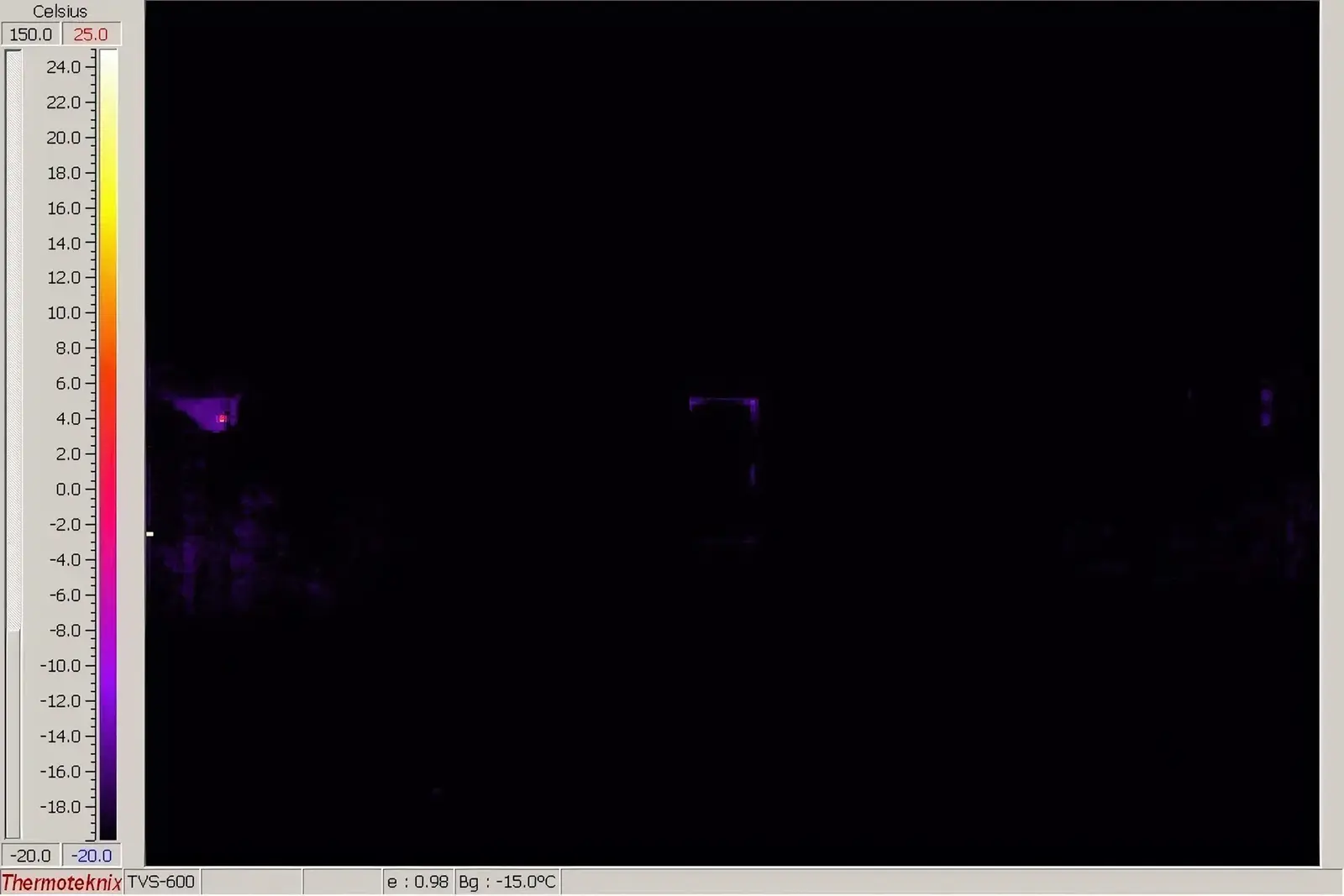
[Left] Same dome, same situation but further around the building. Note the temperatures on the side bar. The black is about 25 degrees below zero. The colors denote higher temperatures. [Center] The back side of the Monolithic Dome shows virtually black, no heat loss. [Right] Another thermograph taken of the west face of the Dome. Note: there is a bit of color provided by reflected heat from adjacent building.
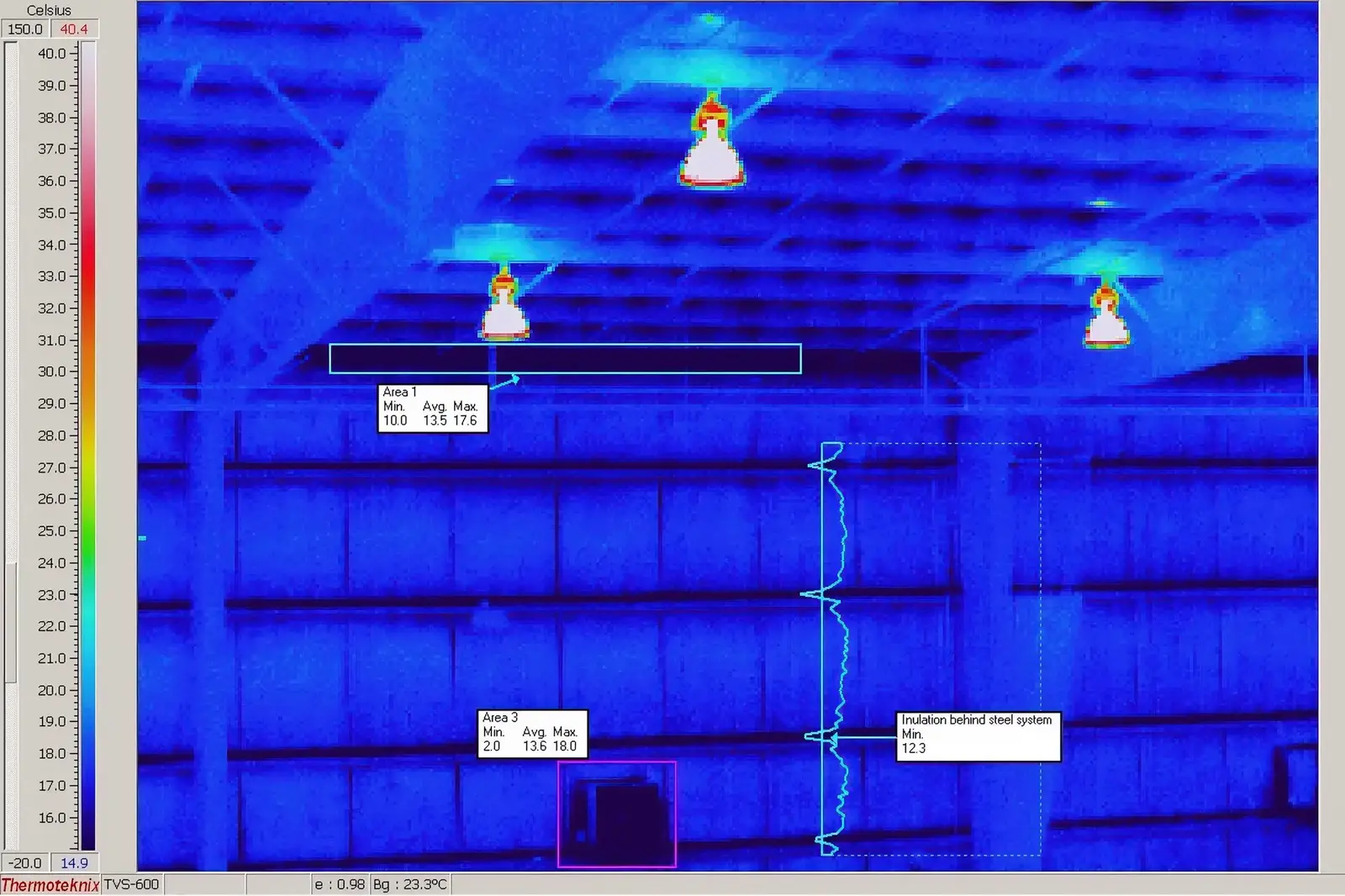
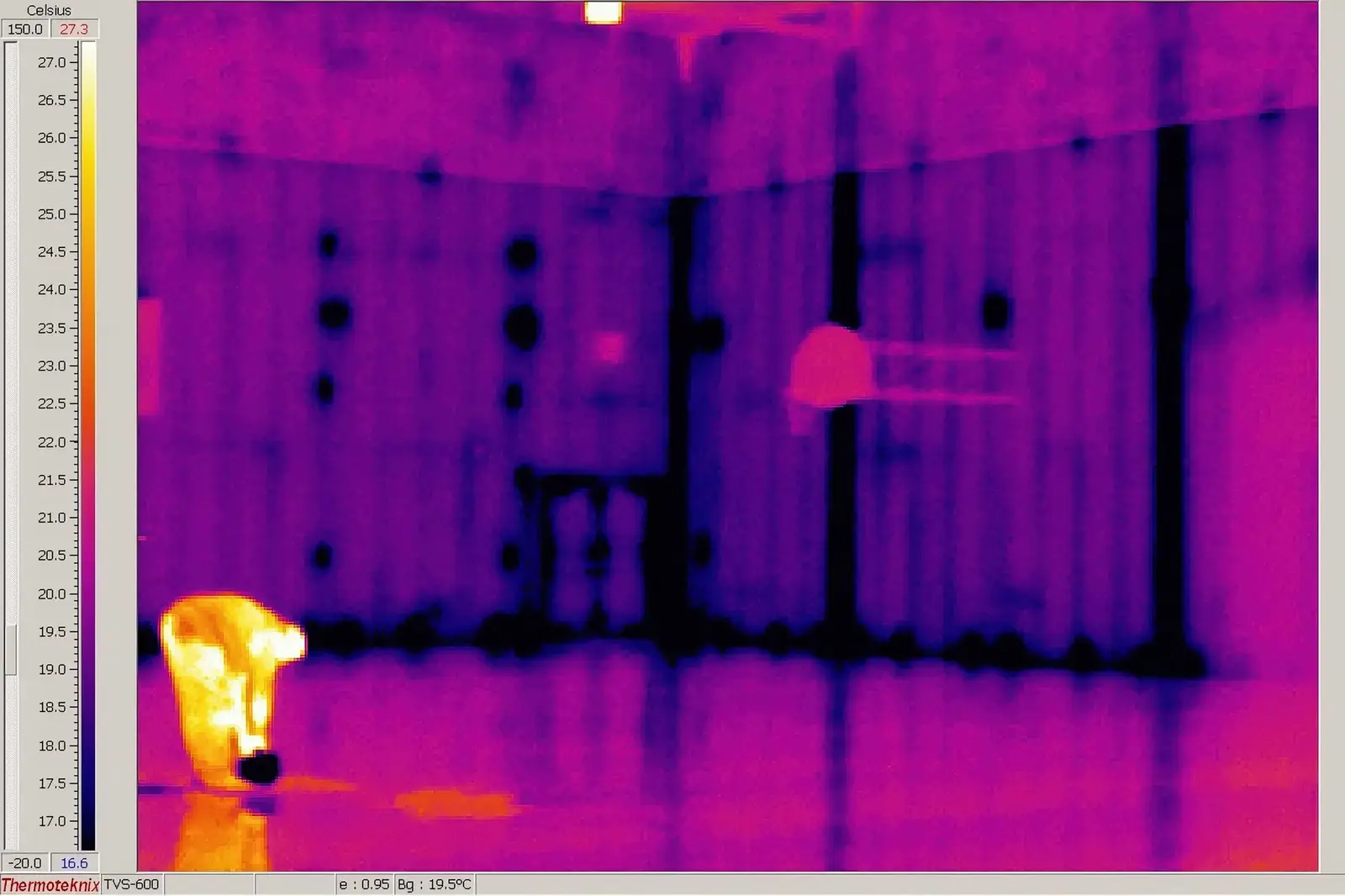
[Left] Internal image of the shop next door to the Monolithic Dome. Note all the black areas. This is the -25 degree temperature seeping through on the inside of the building. [Right] Internal image of a metal gymnasium nearby. Here again, note the colors of the exterior walls. The temperature/color key is on the left of the image. Purple areas inside this gym show walls with temperatures around 18-20 degrees Farenheit.
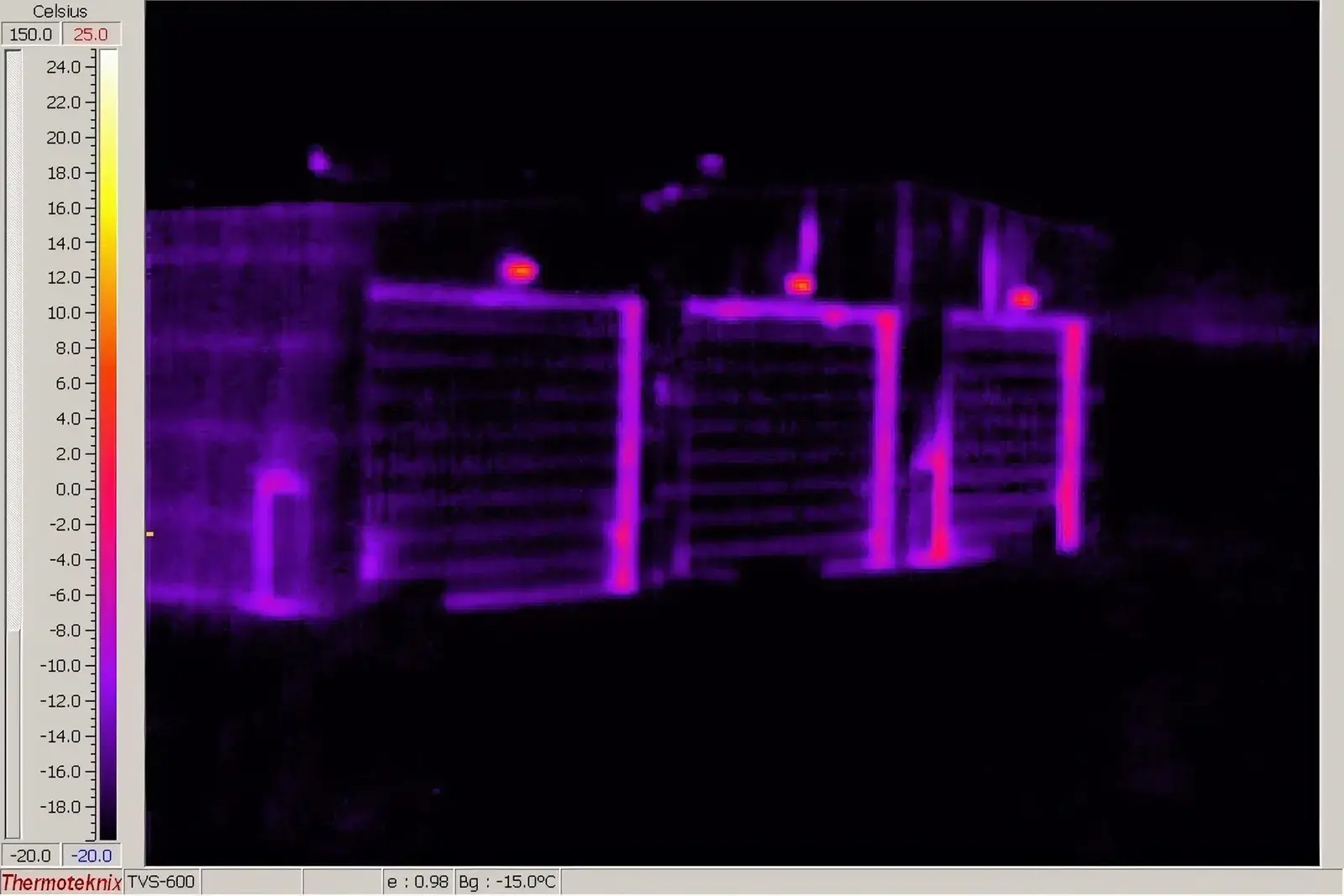
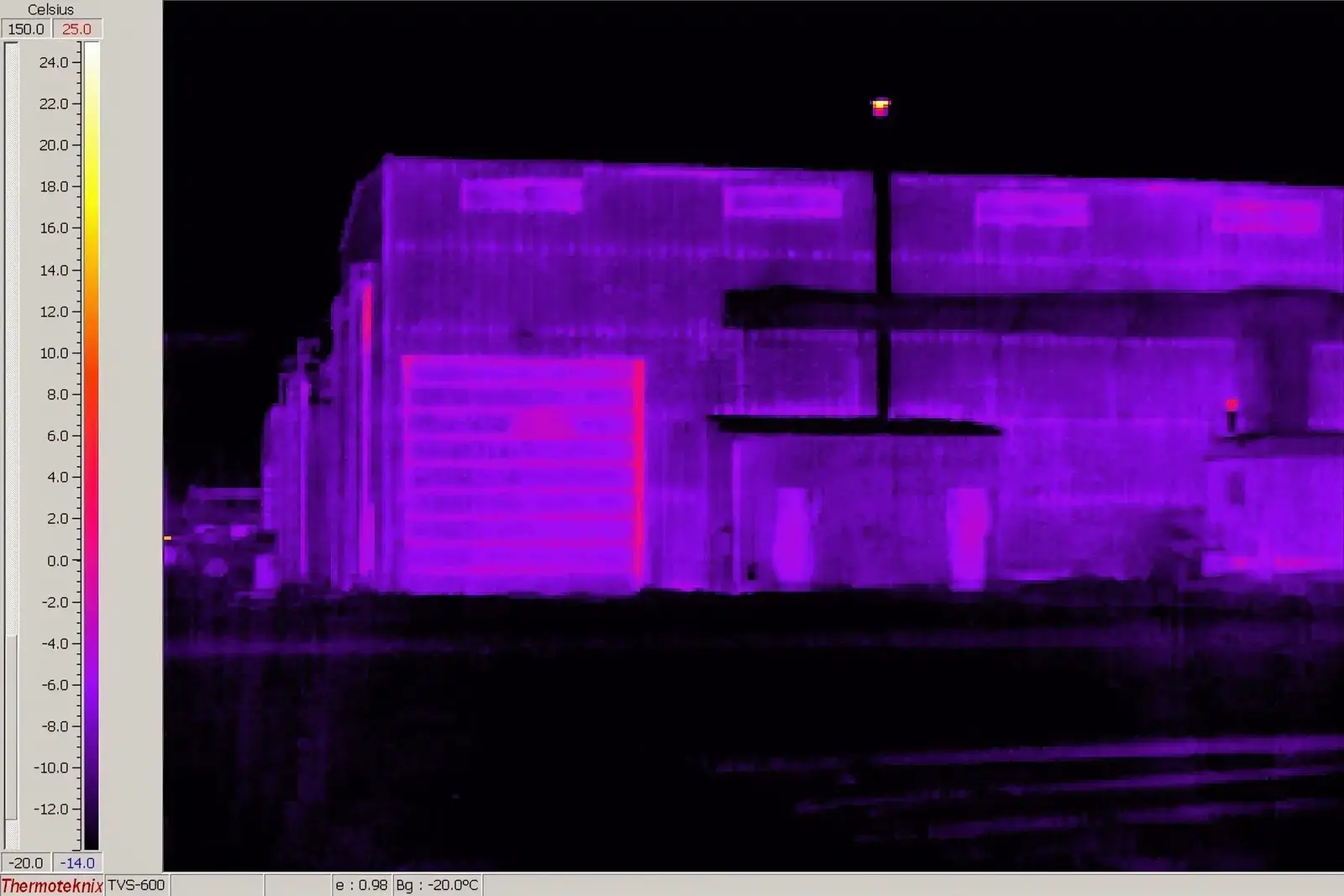
[Left] This thermograph is of a 1980 vintage metal building that is considered well insulated. Even here the heat loss through the walls can be seen by the colors. [Right] Another metal shop building adjacent. Note the brighter colors indicate more heat loss than that of the the super insulated Monolithic Dome.